

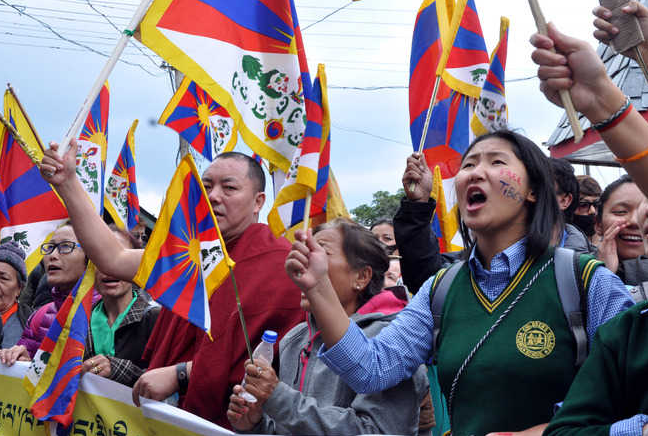
On March 10, 2026, Tibetans around the world observe Tibetan Uprising Day (also known as National Uprising Day or Tibetan National Uprising Day), marking the anniversary of the 1959 Tibetan Uprising in Lhasa against Chinese rule.
On March 10, 1959, thousands of Tibetans spontaneously gathered around the Norbulingka Palace (the Dalai Lama’s summer residence) in Lhasa to protect the 14th Dalai Lama after rumors spread that the Chinese military planned to arrest or kidnap him. What began as a protective demonstration quickly escalated into a widespread popular uprising against Chinese occupation. The protests lasted several days, during which Tibetan fighters and civilians clashed with Chinese troops. The uprising was brutally suppressed by the People’s Liberation Army, resulting in thousands of Tibetan deaths and the destruction of many monasteries and cultural sites.
On March 17, 1959, the Dalai Lama escaped into exile in India, where he has lived ever since. The events of March 1959 marked the effective end of traditional Tibetan governance and the beginning of direct Chinese administration over Tibet.
Significance:
- Tibetan Uprising Day is the most important political and national day for the Tibetan diaspora and supporters of Tibetan freedom.
- It symbolizes Tibetan resistance to Chinese occupation, the loss of national sovereignty, and the ongoing struggle to preserve Tibetan language, culture, religion, and identity.
- The day is observed by Tibetans in exile (especially in India, Nepal, the United States, Canada, and Europe) and by supporters of the Tibetan cause worldwide. Inside Tibet, public commemoration is heavily restricted by Chinese authorities.
Observances and Activities:
- Main events in Dharamshala: The central commemoration takes place in Dharamshala, India (seat of the Central Tibetan Administration). The Dalai Lama usually gives a public address or message. Large gatherings, prayers, candlelight vigils, and cultural performances are held.
- Global rallies and marches: Tibetan communities and supporters organize peaceful marches, rallies, and demonstrations in major cities including New York, London, Paris, Zurich, Toronto, Sydney, and Tokyo. Protesters carry the Tibetan national flag (snow lion flag) and call for freedom, human rights, and the return of the Dalai Lama.
- Religious observances: Monasteries and Tibetan Buddhist centers worldwide hold special prayers, butter lamp offerings, and memorial services for those killed in 1959 and subsequent decades.
- Cultural programs: Exhibitions, film screenings, poetry readings, and traditional Tibetan music and dance performances keep the memory of the uprising and Tibetan culture alive.
- Symbolic acts: The Tibetan national flag is flown or displayed; many wear traditional Tibetan clothing (chuba) or the colors of the Tibetan flag (red, blue, yellow); candles are lit in memory of the victims; social media campaigns use hashtags such as #TibetanUprisingDay, #March10, and #FreeTibet.
Tibetan Uprising Day is not a public holiday anywhere, but it is one of the most emotionally significant days for the Tibetan people in exile and a powerful annual reminder of their continued struggle for freedom, cultural survival, and human rights.
A common chant on this day: “Bod Rangzen!” (“Free Tibet!”)
On March 10, Tibetans and their supporters around the world remember the 1959 uprising, honor the martyrs, and reaffirm their commitment to the cause of Tibetan freedom and dignity.