

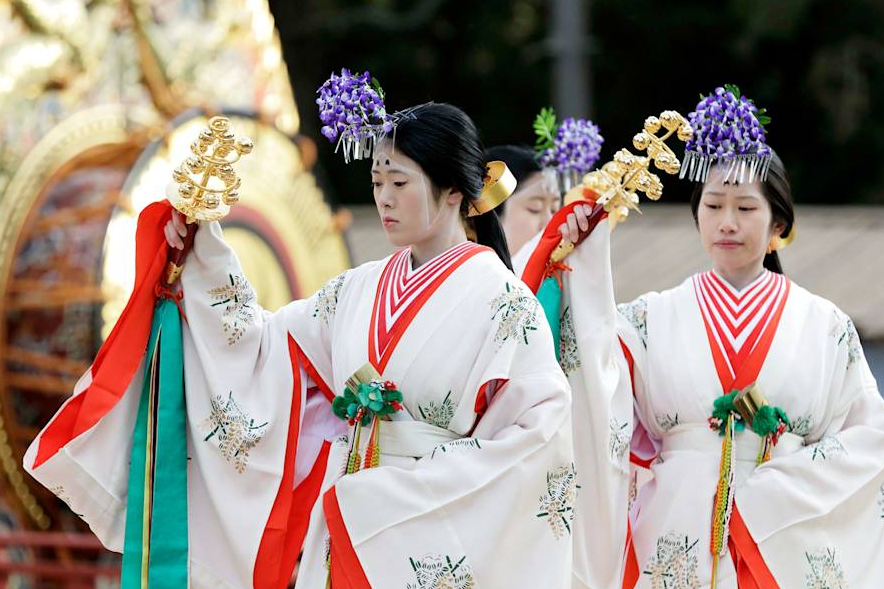
The Kasuga Matsuri (春日祭), also widely known as Wakamiya On-Matsuri (若宮おん祭), is one of the three great festivals of Nara and the most important annual festival of Kasuga Taisha (Kasuga Grand Shrine). The main procession and peak events traditionally take place on March 13, with preliminary rituals beginning several days earlier and some related ceremonies continuing afterward.
In 2026, the core procession day falls on March 13.
This festival, dating back to 1136, is designated an Important Intangible Folk Cultural Property of Japan and features one of the most elegant and historically authentic Heian-period-style processions remaining in the country.
Significance:
- The festival honors Ame-no-Koyane-no-Mikoto (the main deity of Kasuga Taisha) and especially the Wakamiya (young shrine) dedicated to Ame-no-Oshihi-no-Mikoto, protector of the Fujiwara clan and symbol of renewal and vitality.
- It marks the arrival of spring, prays for national peace, abundant harvests, and protection from disasters.
- The procession recreates the aristocratic elegance of the Heian period (794–1185), when Kasuga Taisha was at the height of its influence as the tutelary shrine of the powerful Fujiwara regents.
Main Highlights of the Festival:
- O-Matsuri Procession (March 13) The grand procession starts in the early afternoon from Kasuga Taisha and proceeds through Nara Park to the Wakamiya Shrine (about 800 m away). Participants wear beautiful reproductions of Heian-period court costumes: multilayered jūnihitoe for women, colorful kariginu and eboshi hats for men, and traditional hunting attire for the warriors. The procession includes:
- Ox-drawn carriages (gissha)
- Sacred palanquins (mikoshi) carrying the deity
- Musicians playing ancient court music (gagaku)
- Dance troupes performing bugaku and kagura
- Symbolic military guards and banner bearers
- Key ritual moments:
- Kenbai (sword dance) performed by young men in warrior costume
- Yumi no Hajime (first arrow shooting)
- Offerings and prayers at the temporary shrine (ōtabisho) in front of Wakamiya
- Evening events: After sunset, the return procession is lit by hundreds of lanterns, creating a magical atmosphere as the parade moves through the darkening Nara Park back to Kasuga Taisha.
Other Festival Highlights (around March 13):
- O-Yumi Hajime (first archery ceremony) – early March
- O-Tsunokiri (deer antler cutting ceremony) – usually late February or early March
- Lantern lighting – the famous Kasuga lanterns (tōrō) are lit every evening during the festival period
- Special openings – inner shrine areas normally closed to the public may be opened for viewing
Visitor Tips:
- Best viewing spots: along the main shrine path (sando) and near the second torii gate. Arrive early — crowds are large but respectful.
- Wear comfortable shoes; the procession route involves walking on gravel paths.
- Photography is allowed (no flash during sacred parts); drones are prohibited.
- Access: 5–10 minutes walk from Kintetsu Nara Station or a short bus ride from JR Nara Station.
The Kasuga Matsuri is not a public holiday (schools and offices remain open), but it is one of Nara’s most elegant and historically authentic festivals — a living link to the Heian period and a beautiful celebration of spring, faith, and cultural continuity.
A traditional wish during the festival: “国家安泰、五穀豊穣” (“Peace for the nation, abundant harvests.”)
On March 13, the ancient forest path of Kasuga Taisha becomes a moving Heian painting — nobles in silk, sacred music in the air, and the gentle power of spring returning to Nara once again. 🇯🇵