

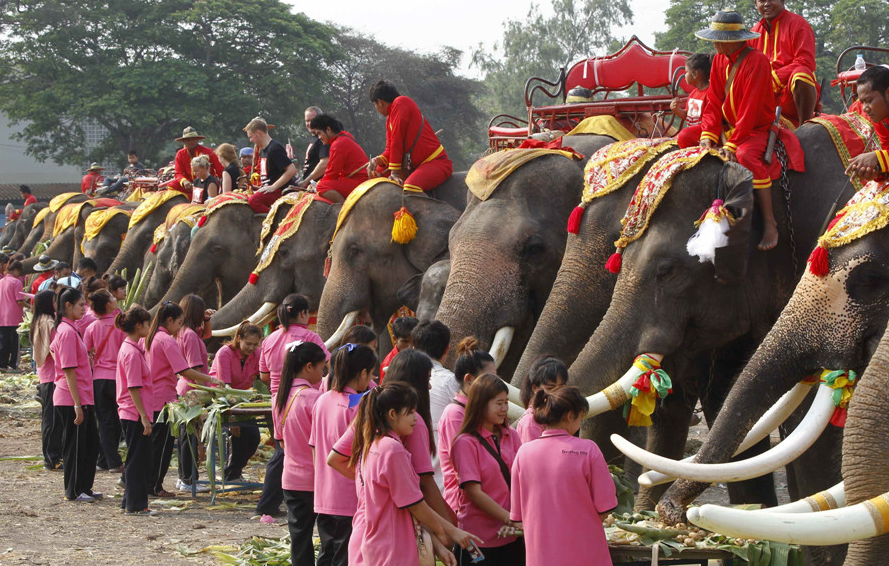
On March 13, 2026, Thailand observes National Elephant Day (วันช้างไทย / Wan Chang Thai), a day dedicated to honoring the Asian elephant — Thailand’s national animal — and raising awareness about its conservation, welfare, and cultural significance.
The date was officially designated by the Thai government in 1998 to commemorate the long-standing historical, cultural, and spiritual bond between Thais and elephants. March 13 was chosen because it is the anniversary of the day in 1998 when the Thai Cabinet approved the resolution recognizing the Asian elephant as the national animal.
Elephants have been deeply woven into Thai history and identity for centuries:
- They were used in warfare (war elephants), royal ceremonies, logging, and transportation.
- White elephants (albino or light-colored) are considered sacred and are royal symbols (the Thai flag once featured a white elephant).
- In Buddhism and Thai folklore, elephants represent strength, wisdom, royalty, and good fortune.
Today, with only an estimated 3,000–4,000 wild Asian elephants remaining in Thailand (and around 3,000–4,000 domesticated/captive elephants), the day focuses heavily on conservation, ending elephant cruelty, and promoting ethical tourism.
Significance in 2026:
- The day highlights the urgent need to protect Thailand’s remaining wild elephant populations from habitat loss, human-elephant conflict, poaching, and illegal trade.
- It promotes humane treatment of captive elephants — discouraging elephant rides, shows involving hooks (bullhooks), and performances that cause suffering.
- It encourages ethical elephant sanctuaries (e.g., Elephant Nature Park, Boon Lott’s Elephant Sanctuary) and responsible tourism that allows observation without exploitation.
Celebrations and Observances:
- Elephant parades and ceremonies: In Ayutthaya, Surin, and other provinces with strong elephant traditions, decorated elephants (often painted with traditional patterns) participate in parades, blessing ceremonies, and cultural shows.
- Conservation events: Wildlife sanctuaries, NGOs (e.g., Elephant Nature Park, World Animal Protection Thailand), and national parks host open days, educational talks, and fundraising activities. Many offer special tours focused on ethical observation and conservation.
- School and youth programs: Schools nationwide hold lessons on elephant biology, history, and conservation; students make elephant crafts, watch documentaries, and learn about the threats facing wild elephants.
- Public campaigns: The hashtag #วันช้างไทย (#NationalElephantDay) trends on social media with photos of elephants in sanctuaries, facts about their ecology, and calls to support ethical tourism.
- Symbolic acts: Many Thais wear elephant-themed clothing or accessories; some light candles or make merit at temples for the well-being of elephants; the day often includes blood donation or charity events in the name of elephant conservation.
National Elephant Day is not a public holiday with widespread closures (schools and offices remain open), but it is widely promoted through media, schools, tourism boards, and conservation groups — a day to celebrate Thailand’s national symbol while urgently calling for its protection.
A common message on this day: “ช้างไทยคือสมบัติของชาติ” (“Thai elephants are the treasure of the nation.”)
On March 13, Thailand honors its majestic national animal — remembering their historical role, celebrating their cultural importance, and committing to a future where elephants live free from cruelty and extinction. 🇹🇭