

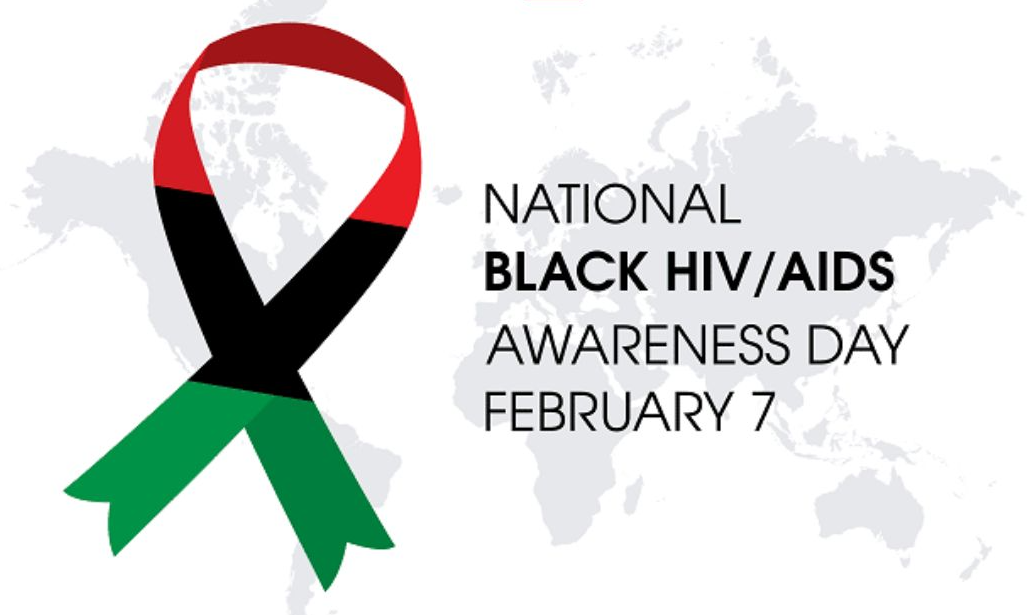
On February 7, 2026, the United States observes National Black HIV/AIDS Awareness Day (NBHAAD), an annual day of education, advocacy, and On February 7, 2026 (Saturday), the United States observes National Black HIV/AIDS Awareness Day (NBHAAD), a dedicated day of education, testing, advocacy, and community mobilization aimed at addressing the disproportionate impact of HIV/AIDS on Black/African American people.
Launched in 1999 by Black community leaders and public health advocates, NBHAAD is the only federally recognized awareness day specifically centered on HIV/AIDS in Black communities. Coordinated by the Black AIDS Institute, the Centers for Disease Control and Prevention (CDC), and hundreds of local organizations, it highlights the stark racial disparities in HIV rates and calls for targeted action to close those gaps.
Black Americans make up about 13% of the U.S. population but account for roughly 40–42% of new HIV diagnoses and over 50% of people living with diagnosed HIV (latest CDC estimates). These numbers are driven not by behavior alone but by systemic factors: poverty, limited access to healthcare, stigma, discrimination, higher incarceration rates, and concentrated prevalence within social and sexual networks.
Significance in 2026:
- The 2026 observance continues the ongoing “We the People” campaign, emphasizing Black leadership, community ownership, and collective responsibility to end the epidemic.
- It celebrates progress — increased PrEP use, widespread U=U (undetectable = untransmittable) messaging, better linkage to care — while spotlighting remaining challenges: late diagnoses, treatment gaps, stigma that keeps people from testing or disclosing status, and inequities in rural and Southern states where the burden is heaviest.
- The day aligns with the national Ending the HIV Epidemic plan (goal: zero new infections by 2030) and stresses that racial equity and community trust are non-negotiable for success.
Observances and Activities:
- Community-led events: Black churches, barbershops, beauty salons, HBCUs, Greek-letter organizations, and health centers host testing drives, health fairs, town halls, and conversations about HIV prevention and stigma reduction.
- Testing and linkage to care: Mobile testing units, pop-up clinics, and pharmacy partnerships offer free or low-cost rapid HIV tests, PrEP/PEP education, and immediate referrals to care — many events include on-site counseling and condoms.
- Awareness campaigns: Social media explodes with #NBHAAD, #BlackHIVDay, #EndHIVStigma — survivors, activists, celebrities, pastors, and everyday people share stories, facts, and encouragement to get tested and treated.
- Policy and advocacy: Briefings, virtual roundtables, and meetings with lawmakers push for increased funding, equitable healthcare access, and policies tackling social determinants (housing, employment, criminal justice reform).
- Symbolic gestures: Red ribbons are worn, candles are lit in memory of those lost to AIDS, and many share the pledge: “I will talk about HIV, I will get tested, I will support my community.”
National Black HIV/AIDS Awareness Day is not a public holiday but a powerful day of visibility, testing, and love — a reminder that ending HIV in Black communities requires truth, compassion, and action.
A central message heard every year: “We the People can end HIV — through testing, treatment, prevention, and stigma-free love.”
On February 7, communities across the United States stand together to remember, educate, test, support, and fight for a future where HIV no longer threatens lives disproportionately. 🇺🇸