

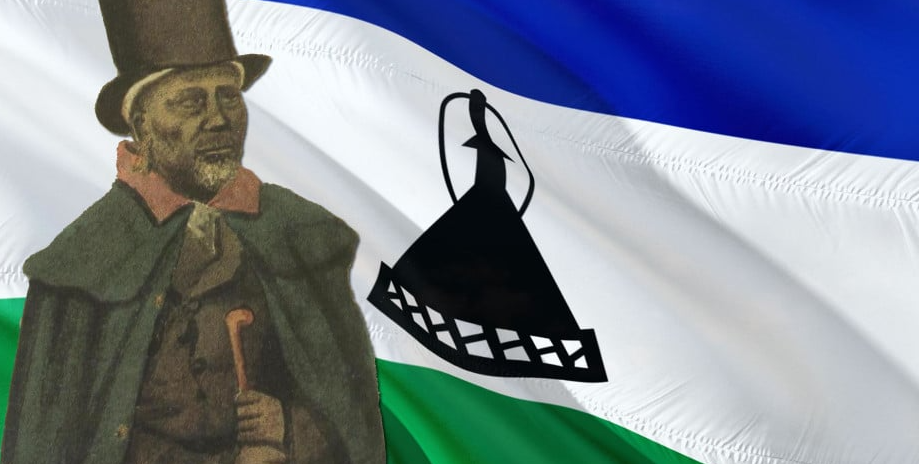
On March 11, the people of Lesotho observe Moshoeshoe Day, a national holiday that commemorates the life and legacy of Moshoeshoe I, the founder and first king of the Basotho nation. The day marks the anniversary of his death in 1870 and celebrates his enduring role in shaping the identity and unity of the Basotho people.
Moshoeshoe I was a visionary leader who unified various Sotho speaking clans during the early nineteenth century, a time of intense regional conflict known as the Mfecane. Through diplomacy, strategic alliances, and inclusive leadership, he formed a cohesive kingdom centred around the mountain stronghold of Thaba Bosiu, which became the political and spiritual heart of the Basotho nation.
Moshoeshoe also played a crucial role in protecting his people from external threats, including conflicts with expanding Boer settlers from the Orange Free State. Recognising the strategic importance of international alliances, he sought protection from United Kingdom, which ultimately led to the establishment of the British protectorate of Basutoland, the predecessor of modern Lesotho.
Significance
Moshoeshoe Day is one of the most important national holidays in Lesotho.
It honours the leadership, wisdom, and diplomatic skill of Moshoeshoe I, who is widely regarded as the father of the Basotho nation.
The day symbolises national unity, resilience, and the cultural heritage of the Basotho people.
Observances and Activities
National ceremonies:
Official commemorations take place across Lesotho, with government leaders delivering speeches that reflect on the legacy of Moshoeshoe I and the history of the nation.
Events at Thaba Bosiu:
Special ceremonies are often held at Thaba Bosiu, the historic mountain fortress where Moshoeshoe established his kingdom. It remains one of the most important historical sites in the country.
Cultural celebrations:
Traditional Basotho music, dance, and poetry performances are organised, celebrating the rich cultural traditions of the nation.
Traditional attire and heritage displays:
Many Basotho people wear traditional clothing, including the iconic Basotho blanket and conical Mokorotlo hat, symbols of national identity.
Educational programs:
Schools and cultural institutions host lectures, exhibitions, and storytelling sessions about the life of Moshoeshoe I and the origins of the Basotho kingdom.
Moshoeshoe Day serves as a reminder of the leadership and vision that helped establish the Basotho nation and continues to inspire pride, unity, and cultural continuity among the people of Lesotho. 🇱🇸