

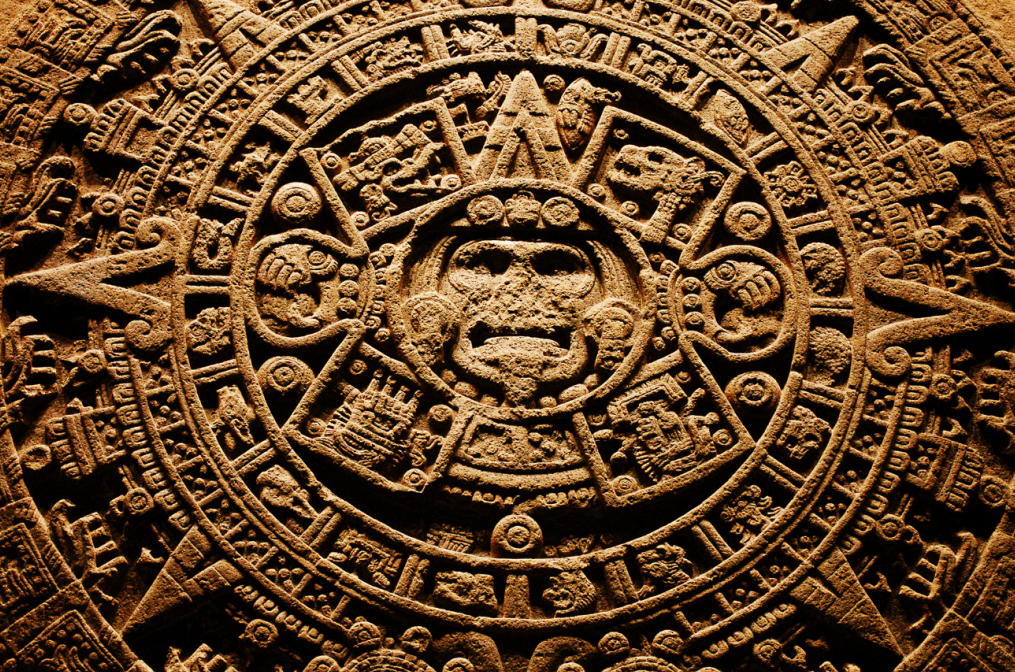
On March 12, 2026, many Nahua (Aztec/Mexica) communities in Mexico and across the Americas celebrate the Aztec New Year, known in the Nahuatl language as Yancuic Xihuitl (“New Year” or “New Cycle”).
The Aztec (Mexica) calendar was highly sophisticated, consisting of a 365-day solar year (xihuitl) divided into 18 months of 20 days each, plus 5 “nameless” or unlucky days (nemontemi) at the end of the cycle. The new year traditionally began at sunrise after these five days, marking a time of renewal, purification, and fresh beginnings.
In the modern Gregorian calendar, the Aztec New Year most commonly falls on March 12 (some traditionalist groups celebrate it on March 11 evening or March 13, depending on the specific calendar correlation used). The day is especially observed by indigenous Nahua communities in central Mexico (states such as Puebla, Veracruz, Hidalgo, Tlaxcala, and Mexico City) as well as by Mexica revival groups in the United States and elsewhere.
Significance:
- The Aztec New Year symbolizes renewal, the turning of the cosmic cycle, and the hope for a prosperous new year.
- It is deeply spiritual — a time when the old year’s burdens are released and the community seeks blessings for health, good harvests, and harmony with the gods and nature.
- In contemporary celebrations, it also serves as a powerful expression of indigenous identity, cultural resilience, and reconnection with pre-Hispanic traditions.
Traditional and Modern Celebrations:
- Ceremonial fire and offerings: The night before (often March 11), a sacred fire is lit using traditional methods. Offerings of flowers, food, copal incense, and prayers are made to the deities, ancestors, and the four directions.
- Purification and renewal: Many participants perform cleansing rituals, burn old items symbolizing the past year, or take part in sweat lodge (temazcal) ceremonies.
- Danza Azteca: Concheros and Aztec dance groups perform all-night or dawn dances in full regalia, accompanied by drums, conch shells, and chanting in Nahuatl.
- Community gatherings: In villages and urban Mexica communities, people share traditional foods, listen to elders’ teachings, and participate in ceremonies that blend indigenous spirituality with elements of Catholicism.
- Public events: Larger celebrations, such as those organized by groups like Calpulli Tonalehqueh in California or various calpulli in Mexico, include public ceremonies, workshops, music, and cultural performances. In 2026, major gatherings are expected in Mexico City, Puebla, and various U.S. cities with strong Mexica communities.
While not an official public holiday in Mexico, Yancuic Xihuitl is one of the most spiritually significant days for those who follow the Mexica calendar and indigenous traditions.
A traditional greeting on this day: “Yancuic Xihuitl cualli!” (“Happy New Year!”)
On March 12, the Aztec calendar turns once again. Communities light sacred fires, dance until dawn, and welcome the new cycle with hope, gratitude, and a deep connection to their ancestors.