

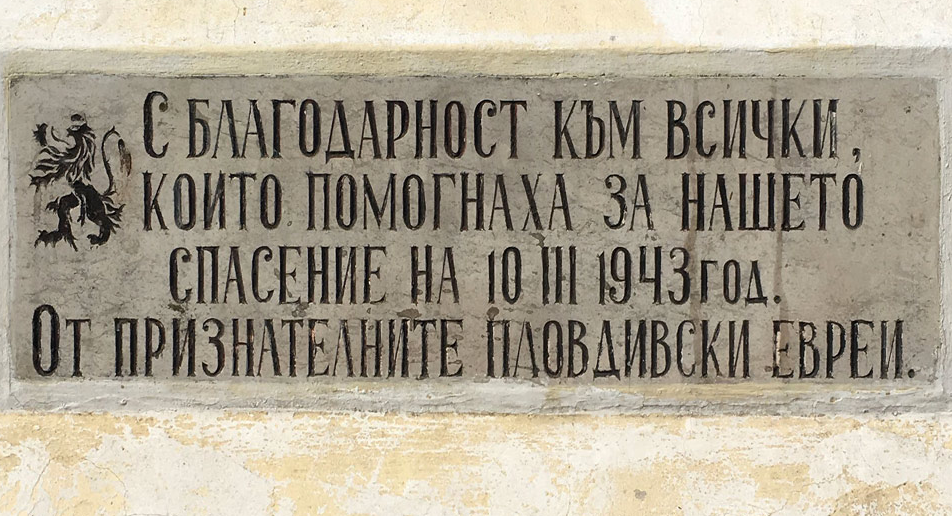
On March 10, 2026, Bulgaria observes Holocaust Remembrance Day (Ден на паметта на жертвите на Холокоста), an official day of remembrance dedicated to honoring the victims of the Holocaust and commemorating the remarkable rescue of Bulgaria’s Jewish population during World War II.
Bulgaria is one of the very few European countries that saved the vast majority of its Jewish citizens from deportation to Nazi death camps. In 1943, despite being an ally of Nazi Germany, widespread public protests, intervention by the Bulgarian Orthodox Church, and resistance from politicians and ordinary citizens prevented the deportation of approximately 48,000 Bulgarian Jews. However, around 11,000 Jews from the occupied territories of Thrace and Macedonia were deported and murdered in Treblinka. The day therefore serves as both a solemn remembrance of those who perished and a celebration of the moral courage shown by many Bulgarians in saving their Jewish neighbors.
The date of March 10 was chosen because it is the anniversary of the day in 1943 when the Bulgarian government, under intense public pressure, halted the planned deportation of Bulgarian Jews from the interior of the country.
Significance in 2026:
- In 2026, Bulgaria marks the 83rd anniversary of the successful prevention of the mass deportation of its Jewish population — an event often cited as one of the greatest acts of collective rescue during the Holocaust.
- The day honors both the victims and the “Righteous” Bulgarians (including Orthodox clergy, politicians, and ordinary citizens) who refused to allow the Nazis to carry out their plans.
- It serves as a powerful reminder of the dangers of antisemitism, racism, and indifference, and reaffirms Bulgaria’s commitment to tolerance, human rights, and “Never Again.”
Observances and Commemorations:
- National ceremony in Sofia: The main event is held at the Monument to the Victims of the Holocaust or the Synagogue in Sofia. The President, Prime Minister, Speaker of Parliament, religious leaders (including the Chief Rabbi and representatives of the Bulgarian Orthodox Church), and diplomats attend. Wreaths are laid, candles are lit, and names of victims are read aloud.
- Memorial services: Special services and prayers are held in synagogues across the country. The Bulgarian Orthodox Church also holds memorial liturgies in recognition of the role played by the Church in saving Bulgarian Jews.
- Educational programs: Schools and universities organize lessons, film screenings, survivor testimonies (or recordings), and exhibitions about the Holocaust in Bulgaria and the rescue efforts. Many students visit the Sofia History Museum or the Holocaust Memorial.
- Public reflection: The national flag flies at half-mast in the morning on public buildings. Many citizens light candles at home or at local memorials. Media (BNT, BNR) broadcast documentaries and special programs about the events of 1943.
- Symbolic acts: The yellow Star of David is sometimes displayed as a symbol of remembrance; the day is observed with solemnity and dignity rather than festivity.
Holocaust Remembrance Day is not a full public holiday with widespread closures, but it is an official day of national remembrance observed with respect across Bulgaria.
A phrase often repeated on this day: “Никога повече” (“Never Again.”)
On March 10, Bulgaria remembers the victims of the Holocaust and honors the courage of those who saved nearly 50,000 Bulgarian Jews — a powerful example of humanity and moral resistance in one of history’s darkest periods.