

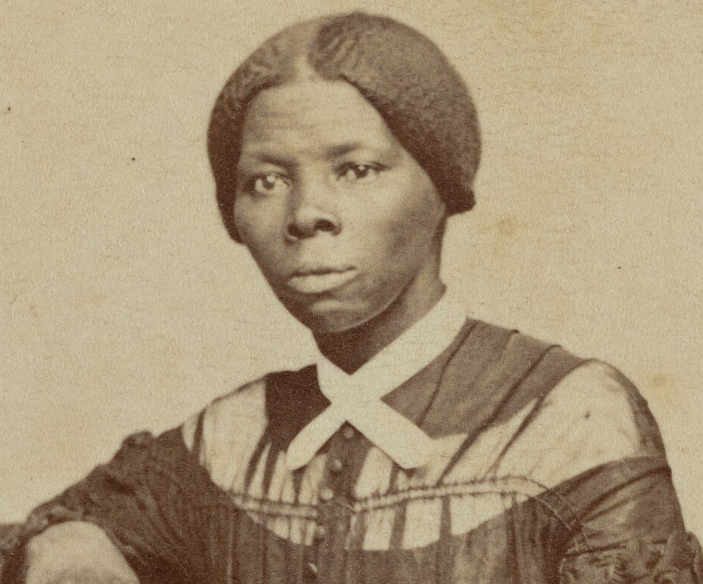
On March 10, 2026, the United States observes Harriet Tubman Day, a day dedicated to honoring the life, courage, and legacy of Harriet Tubman (c. 1822–1913), one of the greatest American abolitionists, humanitarians, and freedom fighters in history.
Born into slavery in Maryland as Araminta Ross, she escaped to freedom in 1849 and then returned to the South multiple times as a “conductor” on the Underground Railroad. She personally led more than 70 enslaved people to freedom, earning the nickname “Moses” for guiding her people out of bondage. During the Civil War, she served as a nurse, scout, and spy for the Union Army, and in 1863 she became the first woman to lead an armed military raid (the Combahee River Raid), which liberated over 700 enslaved people.
Harriet Tubman Day was officially established in 2017 when President Barack Obama signed legislation designating March 10 — the approximate date of her death in 1913 — as a day of national recognition. Several states (including New York, Maryland, and California) also observe it as a commemorative or official day.
Significance in 2026:
- In 2026, the day marks the 113th anniversary of Harriet Tubman’s death and serves as a powerful reminder of her extraordinary courage, faith, and determination in the face of unimaginable hardship.
- It celebrates not only her role in the fight against slavery but also her lifelong commitment to justice, women’s suffrage, and helping the poor and elderly (she later established a home for aged African Americans in Auburn, New York).
- The observance highlights the ongoing struggle for racial justice, equality, and human rights in America, using Tubman’s story as an inspiring example of resistance and moral leadership.
Observances and Activities:
- Ceremonies at historic sites: The main national events are held at the Harriet Tubman Underground Railroad National Historical Park in Maryland and the Harriet Tubman Home in Auburn, New York. Wreath-laying, guided tours, ranger talks, and special exhibitions take place.
- Educational programs: Schools and libraries across the country organize lessons, readings of Tubman’s story, film screenings (such as the 2019 movie Harriet), and student projects about the Underground Railroad and abolitionist movement.
- Community events: Civil rights organizations, churches, and museums hold panel discussions, poetry readings, and community service projects in her honor. Many events focus on modern issues of justice, freedom, and equality.
- Public tributes: The U.S. Postal Service and many institutions fly flags or display Tubman portraits. Social media campaigns (#HarrietTubmanDay, #BlackHistory) share quotes, stories, and artwork celebrating her life.
- Symbolic acts: People visit statues and memorials of Tubman, light candles, or participate in “freedom walks” to retrace parts of the Underground Railroad route.
Harriet Tubman Day is not a federal public holiday (no nationwide closures), but it is officially recognized by the U.S. government and observed in many states and communities as a day of remembrance, education, and inspiration.
A powerful quote attributed to Harriet Tubman: “I freed a thousand slaves. I could have freed a thousand more if only they knew they were slaves.”
On March 10, the United States honors Harriet Tubman — the fearless conductor who led hundreds to freedom and whose courage continues to inspire the ongoing fight for justice and equality. 🇺🇸