
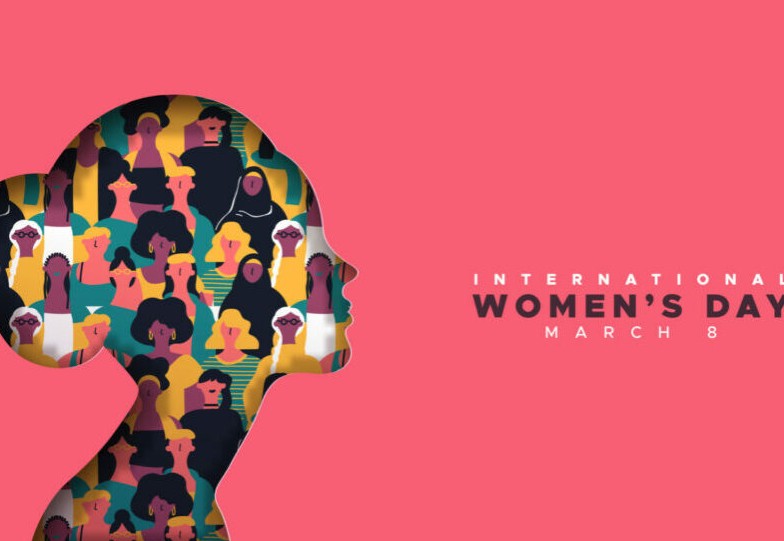
On March 8, 2026, the world observes International Women’s Day (IWD), a global day dedicated to celebrating the social, economic, cultural, and political achievements of women while calling for greater gender equality, empowerment, and an end to discrimination and violence against women and girls.
The origins of International Women’s Day date back to the early 20th century labour and suffrage movements. It was first celebrated on March 19, 1911, in Europe and has been observed on March 8 since 1913. The United Nations began officially celebrating it in 1977, recognising its importance in promoting women’s rights worldwide.
2026 Theme: “Accelerate Action” The 2026 theme continues the call for urgent, tangible progress toward gender equality. It urges governments, businesses, organisations, and individuals to move beyond awareness and take faster, more decisive action to close gender gaps in leadership, pay, education, healthcare, and safety. The campaign emphasises that equality cannot wait — it must be accelerated through policy change, investment, and cultural transformation.
Significance in 2026:
- Despite significant progress over the past century, women continue to face systemic barriers: the gender pay gap, underrepresentation in leadership, unequal access to education and healthcare, and high levels of gender-based violence.
- The day highlights both achievements (more women in politics, STEM, business, and education) and the work still needed to reach full gender parity.
- It serves as a powerful platform for global solidarity, with millions of women and allies marching, advocating, and raising their voices for equal rights, safety, and opportunity.
Global Observances and Activities:
- UN and international events: UNESCO, UN Women, and other UN agencies host high-level panels, virtual forums, and campaigns featuring women leaders, activists, and young change-makers. The UN Secretary-General and world leaders issue statements calling for accelerated gender equality.
- Marches and rallies: In cities around the world — from New York and London to Delhi, Nairobi, and Sydney — women and allies march under the theme “Accelerate Action,” carrying banners, chanting slogans, and demanding equal rights.
- Workplace and community events: Companies, universities, schools, and NGOs organise workshops, panel discussions, mentorship sessions, and recognition ceremonies for women’s contributions. Many workplaces offer special training on gender equality and inclusive leadership.
- Cultural celebrations: Concerts, art exhibitions, film screenings, and storytelling events showcase women’s achievements and experiences. The colour purple (symbolising justice and dignity) is widely used in clothing, ribbons, and lighting.
- Social media campaigns: The hashtags #IWD2026, #AccelerateAction, and #InternationalWomensDay trend globally, with millions sharing stories, photos, and calls to action.
International Women’s Day is not a public holiday in most countries (though some nations grant a day off), but it is one of the most widely recognised and energetically observed global days of the year.
A powerful message for 2026: “Accelerate Action: Equality cannot wait.”
On March 8, the world shines a spotlight on women’s achievements, struggles, and potential — celebrating progress while demanding faster, bolder steps toward a world where gender equality is not just an ideal, but a reality.