

On March 1, 2026, South Korea observes Samiljeol (3·1절, literally “3·1 Day” or “March First Day”), a solemn national holiday commemorating the March 1st Movement (3·1 운동) of 1919 — one of the most significant events in modern Korean history and the symbolic birth of Korean nationalism and the struggle for independence from Japanese colonial rule.
On March 1, 1919, millions of Koreans across the country (and in diaspora communities) peacefully protested Japanese occupation, which had begun in 1910. The demonstrators read the Proclamation of Korean Independence (written by 33 national representatives) and shouted “대한독립 만세!” (“Long live Korean independence!”). The peaceful protests were met with brutal suppression by Japanese colonial forces: thousands were killed (official Japanese figures ~7,500; Korean estimates 46,000+), tens of thousands arrested and tortured, and many villages burned.
The movement failed to immediately achieve independence but had profound long-term impact: it led to the formation of the Provisional Government of the Republic of Korea in Shanghai (1919), inspired global sympathy for Korea’s cause, forced Japan to soften its harshest colonial policies (the so-called “cultural rule” period), and planted the seeds for the eventual liberation in 1945 and the establishment of the modern Republic of Korea in 1948.
Significance in 2026:
- In 2026, South Korea marks the 107th anniversary of the March 1st Movement — a day of deep national pride and solemn remembrance of the sacrifices made for freedom, self-determination, and Korean identity.
- Samiljeol reaffirms core Korean values: courage in the face of oppression, peaceful resistance, love of country, and the unbreakable will to live as a free and sovereign people.
- It is a moment to reflect on Korea’s journey from colonial subjugation to modern democracy and economic success, while honoring the continuity of the independence spirit in the face of ongoing division on the peninsula.
Celebrations and Observances:
- National ceremony at Tapgol Park: The main event takes place at Tapgol Park in Seoul — the historic site where the independence proclamation was first publicly read in 1919. The President, Prime Minister, National Assembly Speaker, and other leaders attend. A moment of silence is observed at 11:00 am (approximate time of the original proclamation), the national anthem is sung, and patriotic speeches are delivered.
- Flag-raising and half-mast: The Taegeukgi (national flag) is raised at all public buildings at sunrise and flown at half-mast in the morning as a sign of mourning, then raised to full staff. Many citizens display the flag at homes and businesses.
- Cultural and patriotic programs: Schools nationwide hold special assemblies with readings of the 1919 Proclamation, patriotic songs (“Aegukga”), and student performances. Major cities (Seoul, Busan, Daegu, Gwangju, Incheon) host concerts, exhibitions, and reenactments of the 1919 protests.
- Religious services: Churches, temples, and mosques hold memorial services or prayers for the independence martyrs; many light candles or offer incense.
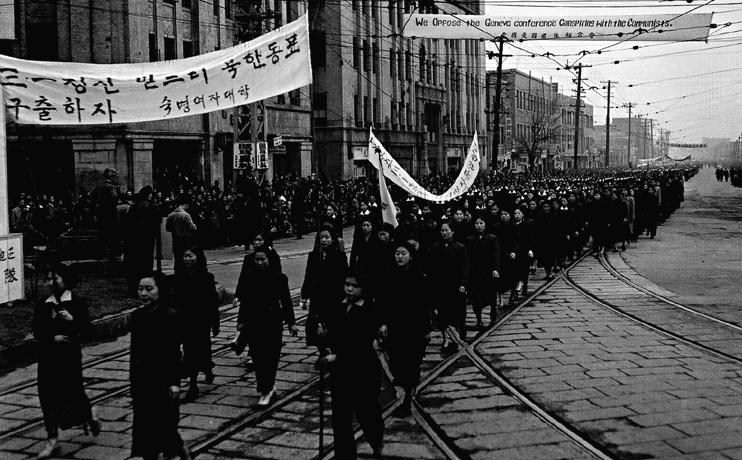
- Public engagement: Citizens visit the Seodaemun Prison History Hall (where independence activists were tortured), the Independence Hall in Cheonan, or local memorials. Social media fills with black-and-white photos of 1919 protests, portraits of the 33 signatories, and messages of gratitude.
- Symbolic acts: Many wear the national colors (red, blue, black, white) or Taeguk symbols; the day is solemn rather than festive — a time for reflection and gratitude rather than large-scale partying.
National Independence Day (Samiljeol) is a public holiday in South Korea — government offices, banks, and most schools close — allowing the entire nation to remember, reflect, and renew its commitment to freedom and dignity.
A phrase forever linked to Samiljeol: “대한독립 만세!” (“Long live Korean independence!”)
On March 1, South Korea raises its flag high, sings the national anthem with solemn pride, and remembers the millions who shouted for freedom in 1919 — a cry that still echoes as a testament to the unbreakable Korean spirit. 🇰🇷