

On February 24, 2026, the Islamic Republic of Iran observes Engineer’s Day (روز مهندس / Rooz-e Mohandes), a national commemoration honoring engineers and their contributions to the country’s development, infrastructure, science, and progress.
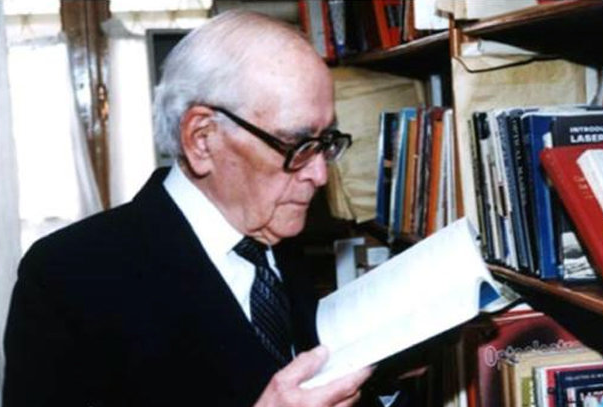
The date was chosen to mark the death anniversary of Professor Mahmoud Hesabi (محمود حسابی), Iran’s most celebrated modern scientist and engineer, who passed away on Esfand 5, 1371 in the Persian calendar (February 24, 1992 in the Gregorian calendar). Hesabi was a polymath — physicist, engineer, mathematician, physician, and educator — who played a pivotal role in establishing Iran’s higher education system, founding the University of Tehran’s Faculty of Engineering, and advancing nuclear physics, medicine, and technology in the country. He is widely regarded as the “Father of Iranian Physics” and a symbol of scientific excellence and national pride.
Engineer’s Day was officially designated in the 1990s by the Iranian government and engineering associations to recognize the vital role of engineers in building modern Iran — from dams, bridges, and oil refineries to aerospace, renewable energy, and digital infrastructure.
Significance in 2026:
- In 2026, Iran marks the 34th anniversary of Professor Hesabi’s passing — a day to celebrate the legacy of Iranian engineering excellence and the ongoing contributions of engineers in achieving self-sufficiency, technological advancement, and national development under sanctions and regional challenges.
- The observance highlights Iran’s achievements in engineering fields such as civil infrastructure (e.g., Karun-3 Dam, Tehran Metro expansion), aerospace (satellite launches), nuclear technology, and petrochemical industries.
- It also serves as motivation for young Iranians to pursue STEM careers, emphasizing innovation, hard work, and service to the nation.
Celebrations and Observances:
- Official ceremonies: The main national event is often held at the Mahmoud Hesabi Museum in Tehran or universities (e.g., University of Tehran, Sharif University of Technology, Amirkabir University). The President, Minister of Science, Research and Technology, and engineering society leaders attend. Speeches praise Hesabi’s life and Iran’s engineering accomplishments; awards are given to outstanding engineers and professors.
- University and student programs: Engineering faculties across Iran (Tehran, Isfahan, Shiraz, Tabriz, Mashhad) organize conferences, seminars, technical exhibitions, project showcases, and competitions (robotics, bridge-building, innovation challenges). Many students present research or prototypes.
- Professional events: The Iranian Society of Engineers, Iranian Construction Engineers Organization, and other professional bodies hold seminars, award ceremonies, and networking events. Top engineers receive medals or certificates for lifetime achievement or recent innovations.
- Public and media tributes: State television (IRIB) and media broadcast documentaries on Hesabi’s life, interviews with engineers, and features on Iran’s infrastructure projects. Social media fills with #روز_مهندس, photos of Hesabi, engineering marvels (dams, bridges, satellites), and tributes from students and professionals.
- Symbolic acts: The Iranian flag flies on engineering faculties and public buildings; many engineers wear pins or badges; families and students visit Hesabi’s tomb in Tafresh or the museum in Tehran to pay respects.
Engineer’s Day is not a nationwide public holiday with mandatory closures (schools and offices generally remain open), but it is widely observed in academic, professional, and governmental circles — a day of pride in Iranian science and engineering.
A common greeting on this day: “روز مهندس مبارک!” (“Happy Engineer’s Day!”)
On February 24, Iran salutes its engineers — the builders of the nation’s present and future — and remembers Professor Mahmoud Hesabi, the visionary who inspired generations to pursue knowledge and innovation for the homeland. 🇮🇷