

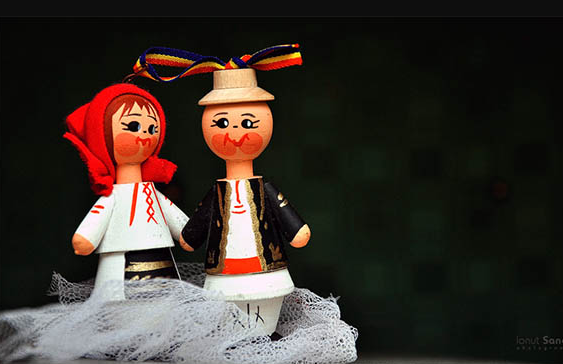
On February 24, 2026, Romania celebrates Dragobete, the traditional Romanian holiday of love, spring, and nature’s awakening — often called the “Romanian Valentine’s Day” but with a much older, pre-Christian origin.
Dragobete is a folk festival rooted in ancient Dacian and Thracian traditions, marking the day when birds are said to find their mates and begin nesting (hence the saying “Dragobetele sărută păsările” – “Dragobete kisses the birds”). In Romanian mythology, Dragobete is a youthful, handsome deity of love and spring — the protector of lovers, symbolizing renewal, fertility, and the joy of romantic love. He is sometimes described as the son of Baba Dochia (a personification of old winter) or a brotherly counterpart to the spring goddess.
The day is celebrated mainly in rural areas and among those who cherish Romanian folklore, though it has gained popularity in urban settings as a romantic alternative or complement to Valentine’s Day (February 14).
Significance in 2026:
- In 2026, Dragobete falls on February 24 — a date that varies slightly each year according to the old Orthodox calendar or folk tradition (often the first Thursday after February 14, or fixed around late February).
- It celebrates the arrival of spring, the renewal of nature, and the blossoming of love — a time when young people express affection, couples strengthen their bonds, and singles hope to meet their future partner.
- Unlike the commercialized Valentine’s Day, Dragobete is deeply tied to Romanian rural customs, nature, and folklore — a day of purity, sincerity, and natural romance.
Celebrations and Observances:
- Traditional customs: Young people (especially girls) go into the forest early in the morning to pick spring flowers (snowdrops, crocuses) and herbs. The first girl to find a snowdrop and bring it home is believed to marry soon. Boys try to “steal” a kiss from girls they like — if the girl accepts, they are considered engaged or “bound” for the year.
- Love rituals: Couples walk together through fields or forests, pick flowers together, and make wreaths. If a boy gives a girl a flower or twig and she accepts it, it means she reciprocates his feelings. Some traditions involve jumping over a small fire or running barefoot through dew for good luck in love.
- Feasts and gatherings: Families prepare special meals with dishes like sarmale (cabbage rolls), cozonac (sweet bread), and fresh spring foods. Young people organize dances, parties, and games in villages; in cities, couples go on dates, exchange gifts, or dine out.
- Modern celebrations: In urban areas, Dragobete is increasingly celebrated like Valentine’s Day — with flowers, chocolates, romantic dinners, and messages of love. Many couples post photos online with #Dragobete or #ZiuaÎndrăgostițilorRomânești.
- Cultural events: Folklore groups and cultural centers in rural areas (especially in Maramureș, Oltenia, Moldova, and Transylvania) hold reenactments, traditional music performances, and storytelling about Dragobete and spring rituals.
Dragobete is not an official public holiday (schools and offices remain open), but it is a widely loved folk tradition — especially in rural Romania — and has gained popularity in cities as a romantic and cultural alternative to Valentine’s Day.
A traditional saying on this day: “Dragobetele sărută fetele!” (“Dragobete kisses the girls!”)
On February 24, Romania awakens to spring with flowers in hand, kisses stolen in the forest, and hearts full of hope — celebrating love the old-fashioned, poetic, and deeply Romanian way. 🇷🇴