

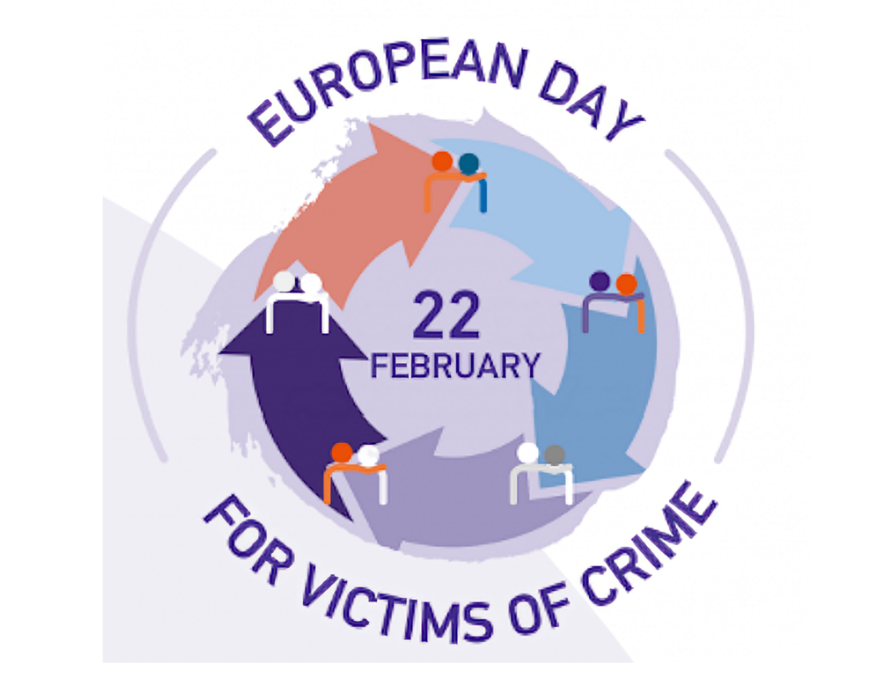
On February 22, 2026, many European countries and the European Union observe the European Day for Victims of Crime (also known as European Victims’ Rights Day or European Day for Victims of Crime), a day dedicated to raising awareness about the rights, needs, and experiences of crime victims across Europe.
The date was chosen to mark the adoption of the EU Victims’ Rights Directive (Directive 2012/29/EU) on October 25, 2012, which established minimum standards for the rights, support, and protection of victims of crime throughout the European Union. However, February 22 has become the symbolic and widely recognized date for victim-focused awareness in many EU member states and partner countries, following initiatives by victim support organizations and the European Forum for Victim Services (now Victim Support Europe).
The day highlights that victims of crime — whether survivors of violence, theft, trafficking, domestic abuse, terrorism, hate crime, or sexual violence — often face secondary victimization through insensitive treatment by authorities, lack of information, inadequate support, or exclusion from justice processes.
Significance in 2026:
- In 2026, the observance comes amid ongoing efforts to fully implement the Victims’ Rights Directive across all EU countries, address gaps in victim support services, and respond to emerging challenges such as online crime, cyber-harassment, and the long-term impact of conflict-related crimes (e.g., from the war in Ukraine).
- It reinforces the core rights of victims under EU law: the right to information, support, protection, access to justice, and compensation, regardless of nationality or residence.
- The day also promotes the principle that supporting victims is not just a moral duty — it is essential for trust in the justice system, social cohesion, and crime prevention.
Observances and Activities:
- European-level events: Victim Support Europe and EU institutions (European Commission, European Parliament) host webinars, conferences, and campaigns. The European Commissioner for Justice or the Victims’ Rights Coordinator often issues a statement.
- National and local activities: Victim support organizations (e.g., Victim Support UK, Weisser Ring in Germany, Victim Support Flanders, Associação Portuguesa de Apoio à Vítima) organize awareness events, public talks, survivor testimonies, candle-lighting ceremonies, and information stands in city centers.
- Educational outreach: Schools, universities, and police academies hold workshops on victim rights, trauma-informed policing, and the impact of crime. Many countries run media campaigns with slogans like “Victims have rights – make them real” or “You are not alone.”
- Policy advocacy: NGOs and victim groups use the day to call for better implementation of the Victims’ Rights Directive, increased funding for support services, and stronger protections for vulnerable victims (children, women, migrants, LGBTQ+ individuals).
- Symbolic acts: Orange ribbons (a common color for victim support) are worn; candles are lit at memorials or public squares; social media campaigns (#VictimsRightsDay, #EuropeanDayForVictims) share survivor stories and calls for solidarity.
The European Day for Victims of Crime is not a public holiday anywhere in Europe but a vital awareness and advocacy day — a moment when the continent reaffirms that victims must be placed at the heart of the justice system.
A core message from Victim Support Europe: “Victims of crime deserve respect, support, and justice — not silence or secondary victimization.”
On February 22, Europe stands with every victim of crime — listening, supporting, and working toward a future where no one suffers alone and justice is truly victim-centered. 🇪🇺