

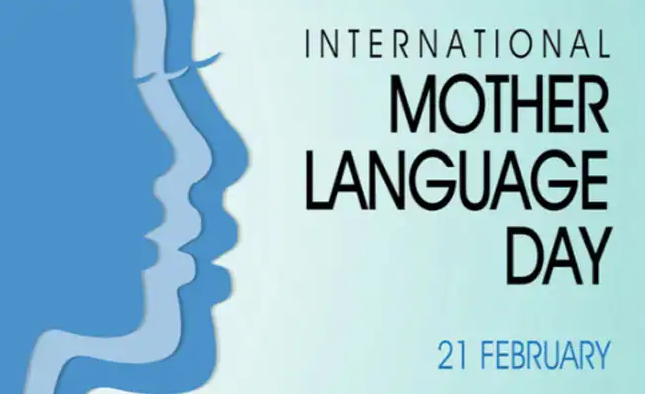
On February 21, 2026, the world observes International Mother Language Day (IMLD), an annual UNESCO initiative dedicated to promoting linguistic and cultural diversity, multilingualism, and the preservation of mother tongues worldwide.
The date was chosen to commemorate the tragic events of February 21, 1952, in Dhaka (then East Pakistan, now Bangladesh), when students and citizens were killed by police while protesting for the recognition of Bengali as an official language alongside Urdu. Their sacrifice sparked the Bengali Language Movement, which ultimately contributed to the independence of Bangladesh in 1971. In November 1999, UNESCO proclaimed February 21 as International Mother Language Day to honor those martyrs and to raise global awareness about the importance of mother tongues in education, culture, identity, and social inclusion.
The day promotes the theme that linguistic diversity is a global heritage — there are over 7,000 languages spoken today, but UNESCO estimates that half may disappear by the end of the century without urgent action.
2026 Theme: “Languages without borders” This year’s theme emphasizes that languages should not be confined by political or geographical borders. It calls for greater cross-border cooperation to protect endangered languages, promote multilingual education, and use mother tongues in digital spaces, public services, and lifelong learning — especially in a world of migration, globalization, and digital connectivity.
Significance in 2026:
- Around 40% of the world’s population does not have access to education in their mother tongue, limiting learning outcomes and cultural expression.
- The day aligns with UNESCO’s International Decade of Indigenous Languages (2022–2032) and the Sustainable Development Goals (especially SDG 4: Quality Education and SDG 10: Reduced Inequalities).
- It celebrates linguistic diversity as a driver of sustainable development, creativity, social cohesion, and peace, while warning against the rapid loss of languages due to globalization, urbanization, and dominant-language policies.
Global Observances and Activities:
- UNESCO events: The official global launch is usually held at UNESCO Headquarters in Paris or virtually, with high-level panels, cultural performances, and the announcement of initiatives. The Director-General issues a message, often focusing on multilingual education and digital inclusion of minority languages.
- National and local events: In Bangladesh, the day is observed with immense solemnity at the Shaheed Minar in Dhaka — barefoot processions, floral tributes, songs like “Amar Bhaiyer Rokte Rangano,” and nationwide cultural programs. Many countries (India, Canada, Nepal, South Africa, etc.) hold multilingual poetry readings, language fairs, and workshops.
- Educational programs: Schools worldwide organize mother-tongue storytelling, song performances, debates on linguistic rights, and exhibitions of endangered scripts and alphabets.
- Cultural celebrations: Concerts, theater, film screenings, and art installations showcase linguistic diversity; community radio stations in minority languages broadcast special programs.
- Public campaigns: Social media campaigns (#MotherLanguageDay, #IDILD2026) share multilingual greetings, poems, and stories; UNESCO encourages people to post in their mother tongue with the theme.
- Symbolic acts: Red-and-green ribbons (inspired by Bangladesh’s movement) are worn in some places; candles are lit at memorials; the day often ends with collective singing of songs in many languages.
International Mother Language Day is not a public holiday in most countries but a meaningful global observance — a day when the world speaks, sings, reads, and listens in many tongues to affirm that every language matters.
A powerful message from UNESCO: “Languages are the key to inclusion and sustainable development — no one should be left behind because of the language they speak.”
On February 21, the world listens to every mother tongue — from Bengali to Basque, Swahili to Sami — and recommits to protecting them as irreplaceable treasures of humanity.