

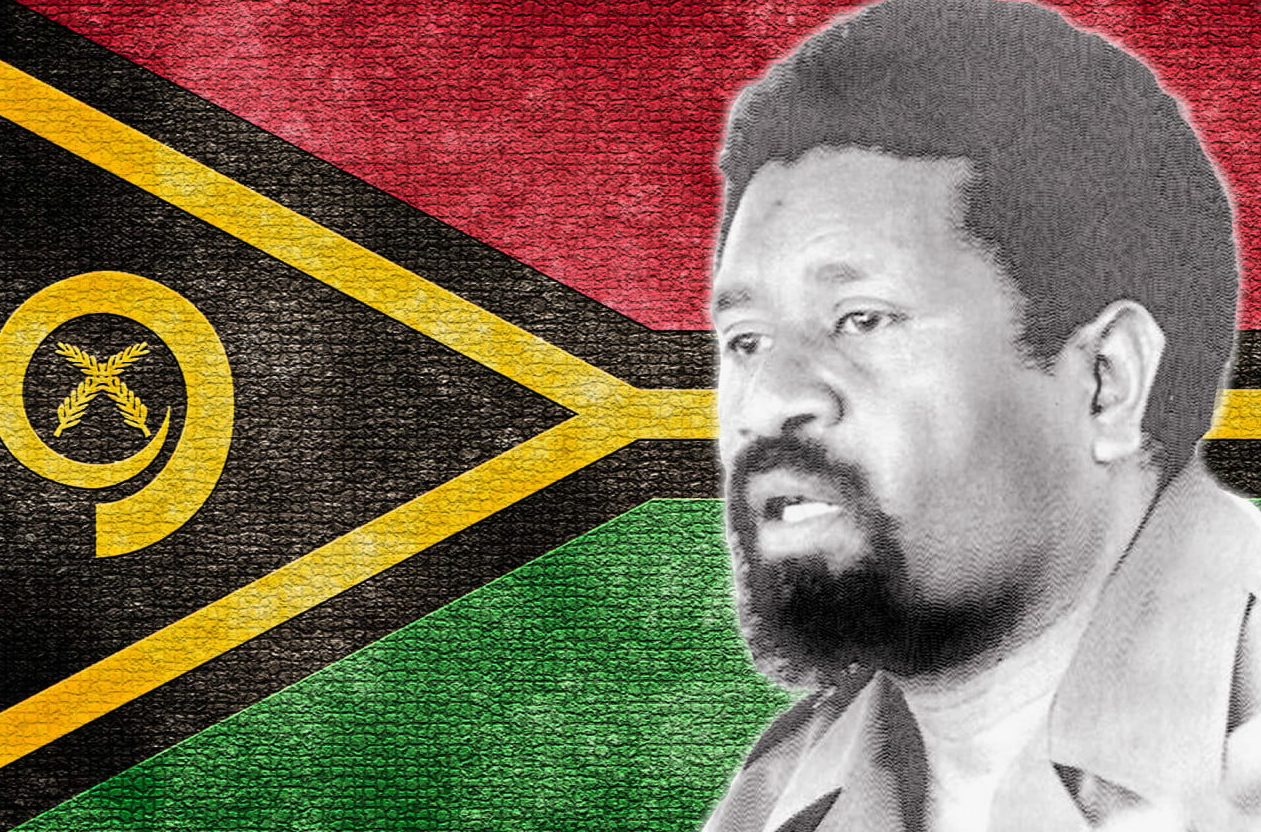
On February 21, 2026, Vanuatu celebrates Father Lini Day, a national public holiday commemorating the birth of Father Walter Hadye Lini (1942–1999), the country’s first Prime Minister and one of the most revered figures in its modern history.
Father Walter Lini was born on February 21, 1942, in Pentecost Island. An Anglican priest, theologian, and nationalist leader, he became the driving force behind Vanuatu’s independence from joint British-French colonial rule (the New Hebrides). As leader of the Vanua’aku Pati (formerly the New Hebrides National Party), Lini negotiated independence, which was achieved on July 30, 1980. He served as Prime Minister from 1980 to 1991, guiding the young nation through its formative years, establishing a non-aligned foreign policy, and promoting Melanesian socialism and Pacific regional cooperation.
Father Lini is widely regarded as the “Father of the Nation” for his role in achieving sovereignty, unifying diverse islands and languages, and laying the foundation for Vanuatu’s democratic institutions and cultural identity.
Significance in 2026:
- In 2026, Vanuatu marks the 84th anniversary of Father Lini’s birth — a day to reflect on his vision of independence, self-reliance, Christian values, and Melanesian solidarity.
- The observance celebrates the peaceful transition to independence and the enduring legacy of Lini’s leadership in a multi-island, multi-lingual nation.
- It also serves as a reminder of the challenges faced post-independence — including political stability, economic development, and climate vulnerability — and the need to carry forward Lini’s ideals of unity and service.
Celebrations and Observances:
- National ceremony in Port Vila: The main event is held at Independence Park or the Parliament House, with the President, Prime Minister, government ministers, opposition leaders, chiefs (nakamals), and church representatives attending. A wreath is laid at the Father Lini Monument (or his statue), speeches honor his life, and the national anthem is sung.
- Church services: As an Anglican priest, Lini’s legacy is deeply tied to faith. Special Masses or services are held at Anglican churches across Efate, Espiritu Santo, Pentecost, and other islands, often with prayers for national unity and thanksgiving for independence.
- Cultural performances: Traditional kastom dances, stringband music, and performances of nasara (customary) songs are common. In villages, chiefs and elders recount stories of the independence struggle and Lini’s role.
- Public holiday activities: As a public holiday, government offices, banks, and most schools close. Families gather for feasts (laplap, tuluk, island cabbage, fresh seafood), sports events (soccer, cricket), and community gatherings.
- Media and public tributes: Radio Vanuatu and TV Vanuatu broadcast special programs, documentaries on Lini’s life, and interviews with independence-era figures or his family. Social media fills with photos of Lini, quotes, and messages of gratitude.
- Symbolic acts: The Vanuatu flag (red, green, black with yellow fimbriations and Melanesian pig’s tusk) flies everywhere; many wear green or red (party colors associated with independence); schools hold assemblies with readings of Lini’s speeches.
Father Lini Day is a public holiday in Vanuatu — a day of national pride, reflection, and gratitude for the man who led the country to independence and shaped its early identity.
A famous Lini quote often shared on this day: “We must be masters in our own house.”
On February 21, Vanuatu raises its flag and celebrates Father Walter Lini — the priest, visionary, and father of the nation — whose courage and faith helped bring freedom to the islands. 🇻🇺