

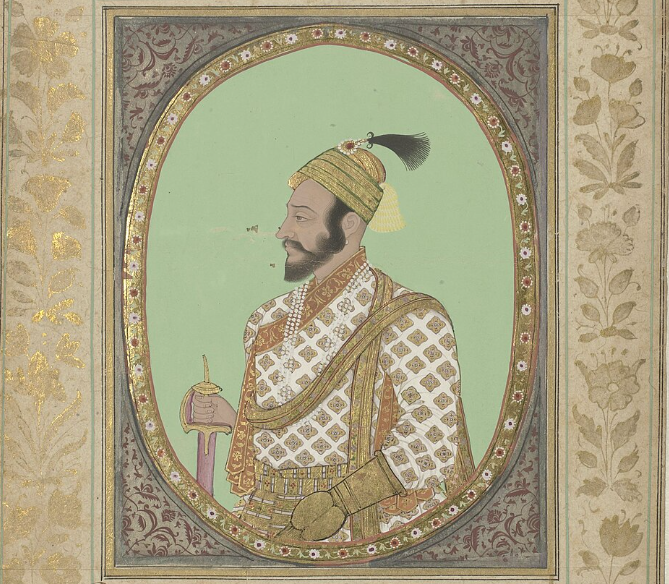
On February 19, 2026, the state of Maharashtra in India observes Shivaji Jayanti (छत्रपती शिवाजी महाराज जयंती / Chhatrapati Shivaji Maharaj Jayanti), a major public holiday and one of the most revered cultural celebrations in the state.
The day commemorates the birth anniversary of Chhatrapati Shivaji Maharaj (born February 19, 1630, in Shivneri Fort, near Pune), the legendary Maratha warrior king, founder of the Maratha Empire, and a symbol of courage, self-rule (swarajya), and resistance against foreign domination.
Shivaji is celebrated for establishing a sovereign Hindu kingdom in the 17th century amid Mughal and Portuguese dominance, pioneering guerrilla warfare (ganimi kava), building a strong navy, promoting religious tolerance, protecting farmers, and creating an efficient administration based on merit and justice. His coronation as Chhatrapati on June 6, 1674, at Raigad Fort marked the formal birth of Hindavi Swarajya (self-rule of the Hindus).
Shivaji Jayanti was officially declared a public holiday in Maharashtra in 1961 to honor his legacy and inspire values of patriotism, leadership, and social justice.
Significance in 2026:
- In 2026, Maharashtra celebrates the 396th birth anniversary of Shivaji Maharaj — a powerful symbol of Maratha pride, resistance to oppression, and the fight for self-rule.
- The day reinforces core values: courage (dhairy), justice (nyay), religious harmony (sarva dharma sambhav), protection of the weak, and the idea that true sovereignty belongs to the people.
- It is especially significant in a state where Shivaji is revered as a cultural and historical icon — his image appears on statues, currency notes, government seals, and public spaces across Maharashtra.
Celebrations and Observances:
- Main events in Raigad and Pune: The grandest celebrations take place at Raigad Fort (where Shivaji was crowned) and Shivneri Fort (his birthplace). Thousands climb the forts for flag-hoisting, prayers, and cultural programs. In Pune, the Shaniwar Wada (Shivaji’s historic palace) hosts a massive gathering with speeches, kirtans (devotional singing), and performances.
- Statewide parades and processions: In every district and taluka, processions carry large portraits of Shivaji on horseback, accompanied by traditional lezim (stick-dance) groups, powada (ballad singers), and dhol-tasha drum troupes. Schools and colleges hold parades with students in Maratha attire.
- Cultural programs: Kirtans, powadas narrating Shivaji’s battles (e.g., Battle of Pratapgad, Panhala escape), lavani dances, and plays depicting his life are performed. Temples and community halls host bhajans and aartis dedicated to Shivaji.
- Public holiday activities: As a public holiday in Maharashtra, government offices, banks, and schools close. Families visit forts, museums (Raigad, Sinhagad, Pratapgad), or local Shivaji statues to offer flowers and prayers. Many wear saffron or traditional Maratha clothing.
- Media and social engagement: Marathi TV channels (Zee Marathi, Colors Marathi) and newspapers (Lokmat, Sakal) broadcast special programs, historical dramas, and live coverage from Raigad. Social media fills with #ShivJayanti, #ShivajiMaharaj, and photos of forts and processions.
- Symbolic acts: The saffron flag (Bhagwa Dhwaj) and Shivaji’s insignia (the sword and shield) are prominent; many recite the famous pledge: “स्वराज्य माझा जन्मसिद्ध हक्क आहे आणि तो मी मिळवणारच!” (“Swarajya is my birthright, and I shall have it!” — Shivaji Maharaj)
Shivaji Jayanti is a state public holiday in Maharashtra — a day of immense pride, devotion, and inspiration for millions who see Chhatrapati Shivaji Maharaj as the eternal symbol of courage, justice, and self-rule.
On February 19, Maharashtra raises the saffron flag high, sings powadas of valor, and remembers the warrior king who gave the people the dream of Swarajya — a legacy that lives on in every Marathi heart. 🇮🇳