

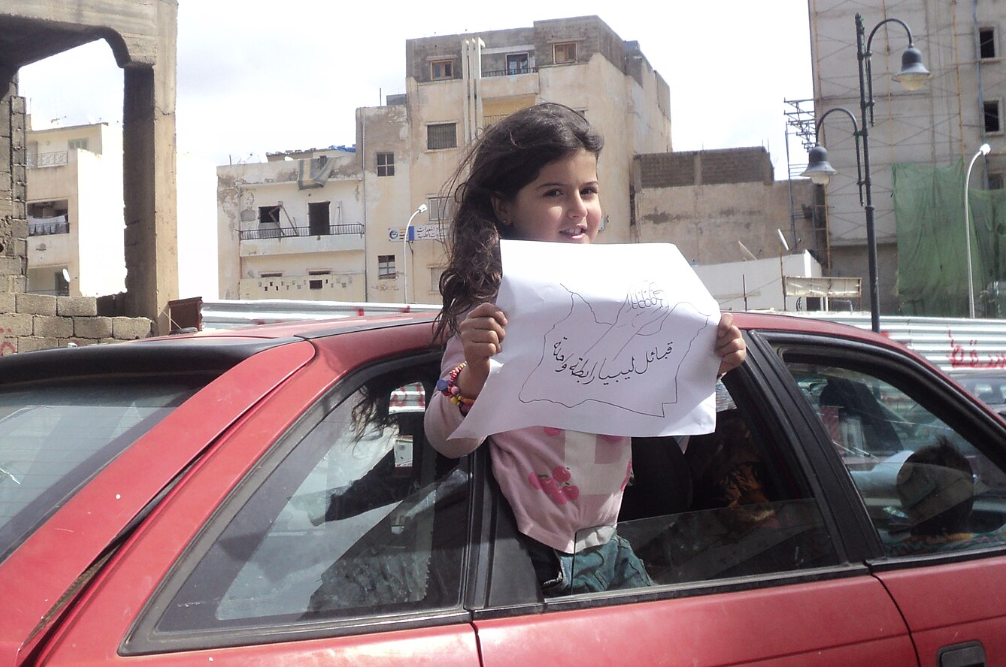
On February 17, 2026, Libya commemorates Revolution Day (يوم الثورة 17 فبراير / Yawm ath-Thawra 17 Fibrayir), also known as 17 February Revolution Day, marking the 15th anniversary of the beginning of the Libyan uprising that ultimately overthrew Muammar Gaddafi’s 42-year rule.
The revolution began on February 15–17, 2011, when peaceful protests in Benghazi against the arrest of human rights lawyer Fathi Terbil escalated into nationwide demonstrations demanding political freedom, an end to corruption, and the release of political prisoners. Security forces responded with lethal force, killing protesters in Benghazi, Bayda, and other cities. By February 17, the protests had spread across eastern Libya, and the date became the symbolic start of the 17 February Revolution — a popular uprising that quickly turned into an armed conflict, NATO intervention, and Gaddafi’s downfall by October 2011.
The revolution was part of the broader Arab Spring wave that swept the region in 2011. It ended the Jamahiriya system and led to the formation of the National Transitional Council (NTC), which declared Libya liberated on October 23, 2011. However, the post-revolutionary period brought deep divisions, rival governments, militias, civil war (2014–2020), and ongoing instability.
Significance in 2026:
- In 2026, Libya marks 15 years since the revolution — a bittersweet milestone that evokes both pride in ending a dictatorship and sorrow over the chaos, division, economic collapse, and loss of life that followed.
- The day remains contested: for many Libyans, especially in eastern regions (Benghazi, Tobruk), it is a symbol of liberation and sacrifice; for others, particularly those who supported Gaddafi or suffered in the post-2011 turmoil, it is a painful or divisive date.
- It highlights the unfinished goals of the revolution: genuine democracy, rule of law, national reconciliation, economic recovery, and an end to foreign interference.
Celebrations and Observances (current context):
- Eastern Libya (Tobruk, Benghazi, Derna): The day is most prominently celebrated here. Mass rallies, marches, and speeches take place in Benghazi’s Tahrir Square or Martyrs’ Square. The pre-2011 Libyan flag (red-black-green with crescent and star) is flown widely, alongside the current national flag.
- Official events: The Government of National Stability (based in the east) or local authorities organize ceremonies with military parades, cultural performances, and tributes to the “martyrs of the revolution.” The House of Representatives (eastern parliament) often holds a special session.
- Western Libya (Tripoli, Misrata, Zawiya): Observance is more subdued or split. Some groups celebrate with small gatherings or social media posts, while others focus on the 2011 revolution’s ideals without endorsing current political divisions.
- Cultural and symbolic acts: Revolutionary songs from 2011 (e.g., “Libya, Libya, Libya” chants), poetry readings, and displays of the pre-Gaddafi flag are common. Families visit cemeteries to honor those killed in 2011 or subsequent conflicts.
- Media: State-affiliated channels (in the east) broadcast documentaries, survivor testimonies, and speeches; social media sees a flood of posts with #17February, old protest photos, and messages of remembrance or calls for unity.
Revolution Day is not uniformly observed as a public holiday across Libya due to political fragmentation. In areas controlled by the eastern-based government, it is treated as a major holiday with closures; in Tripoli and the west, it may be a normal working day or marked quietly.
A chant from 2011 still echoed today: “الشعب يريد إسقاط النظام” (“The people want the fall of the regime.”)
On February 17, Libya remembers the courage of those who rose up in 2011 — and the long, unfinished journey toward the freedom, justice, and unity they demanded. 🇱🇾