

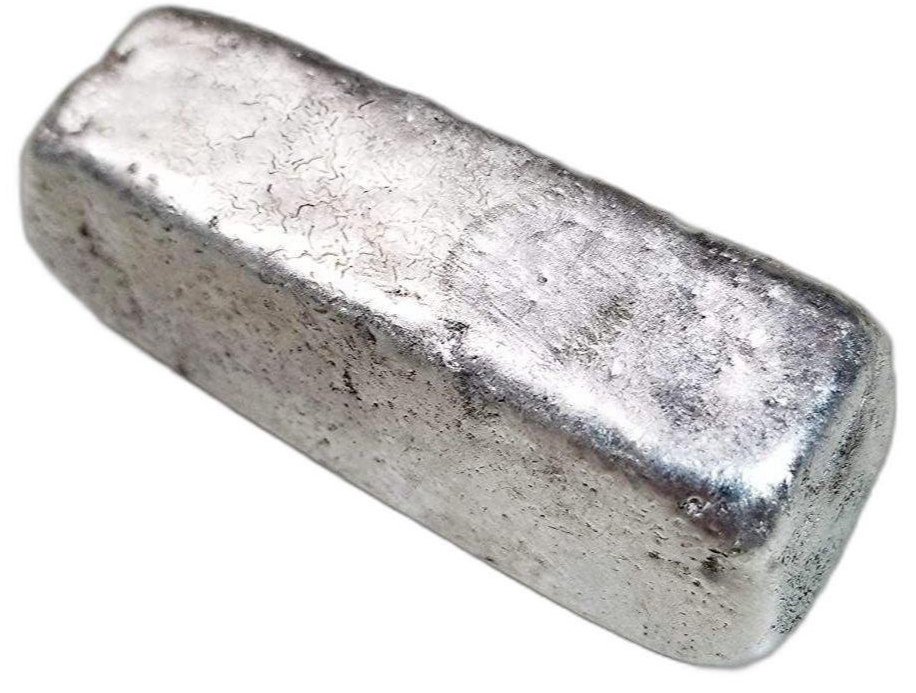
Aluminium (Al, atomic number 13), known as aluminum in American English, is the most abundant metal in Earth’s crust (~8.1% by mass) and the third most abundant element overall (after oxygen and silicon). This silvery-white, lightweight, corrosion-resistant metal sits in group 13 (the boron group) and has been quietly revolutionizing transportation, packaging, construction, and modern life since its commercial isolation in the late 19th century. Once rarer and more expensive than gold—Napoleon III served honored guests on aluminium plates while others used gold—aluminium became democratized by the Hall–Héroult process (1886), which enabled mass electrolytic production from bauxite ore.
Today, aluminium is the second-most produced metal after iron, with global output exceeding 70 million tonnes annually. Its paradoxical combination of extreme lightness, surprising strength (when alloyed), and near-immunity to corrosion makes it indispensable across industries.
1. Hidden Features: Oxide Shield, Low Density, and Quantum Conductivity
Aluminium’s electron configuration [Ne] 3s² 3p¹ gives it classic group-13 traits, but its real magic lies in surface chemistry and physical extremes.
- Self-Healing Oxide Layer: Aluminium instantly forms a thin, tenacious Al₂O₃ passivation layer (~2–4 nm) in air or water. This amorphous oxide is impermeable to oxygen and moisture, self-repairs if scratched, and remains stable up to ~2000 °C—granting aluminium exceptional corrosion resistance even in seawater, acidic environments, and urban pollution.
- Ultra-Low Density: At 2.70 g/cm³, aluminium is only one-third as dense as steel and roughly the same as some plastics—yet pure aluminium has a tensile strength comparable to mild steel when work-hardened, and alloys push it far higher.
- High Thermal & Electrical Conductivity: Aluminium conducts electricity ~61% as well as copper but weighs only ~30% as much—making it the material of choice for overhead power lines (ACSR conductors: aluminium strands around steel core). Its thermal conductivity (~237 W/m·K) is excellent for heat exchangers, radiators, and cookware.
- Reflectivity & Emissivity: Polished aluminium reflects ~90–95% of visible and infrared light—used in telescopes (James Webb Space Telescope sunshield), emergency blankets, and lighting reflectors. Its low infrared emissivity helps retain heat in spacecraft insulation.
- Cryogenic Toughness: Unlike many metals, aluminium alloys retain ductility and strength at cryogenic temperatures (e.g., LNG tanks, liquid hydrogen storage), making them ideal for space launch vehicles.
- Alloying Versatility: Over 300 wrought and cast alloys exist. Key families include:
- 1xxx (nearly pure Al) – electrical conductors
- 2xxx (Cu) – aerospace strength
- 5xxx (Mg) – marine corrosion resistance
- 6xxx (Mg+Si) – extrusions, automotive
- 7xxx (Zn+Mg+Cu) – highest strength (aircraft frames)
2. Covert Uses: Aerospace Backbone, Packaging King, Green Energy, and Beyond
Aluminium’s recyclability (~75% energy saved vs. primary production) and versatility drive its dominance.
- Transportation (Aerospace & Automotive): ~25–30% of global use. Modern airliners (Boeing 787 ~50% Al by weight, Airbus A350 ~20%) use high-strength 7xxx-series alloys for frames, wings, and skins. Electric vehicles increasingly adopt aluminium body panels, battery enclosures, and structural castings to offset battery weight and extend range.
- Packaging & Foil: ~20% of production goes to beverage cans, foil, and flexible packaging—fully recyclable with minimal quality loss. Aluminium cans have the highest recycling rate of any packaging material in many countries.
- Electrical Infrastructure: Aluminium dominates overhead transmission lines (cheaper and lighter than copper), busbars, and conductors in transformers and motors—critical for expanding renewable grids.
- Construction & Infrastructure: Aluminium extrusions, curtain walls, roofing, bridges (e.g., lightweight pedestrian bridges), and scaffolding resist weathering for decades with minimal maintenance.
- Renewable Energy & Storage: Aluminium frames solar panels, wind turbine nacelles, and components in concentrated solar power. Emerging solid-state aluminium-ion batteries promise higher safety and faster charging than lithium-ion in niche applications.
- Consumer & Industrial Goods: Aluminium pots/pans, bicycle frames, baseball bats, smartphones (unibody designs), heat sinks, and 3D-printing powders.
In summary, aluminium isn’t just a common metal—it’s the lightweight corrosion-proof champion that made modern aviation possible, keeps beverages cold in infinitely recyclable cans, carries electricity across continents, and quietly dominates the materials of the electrification era.
What’s your favorite aluminium fact—its journey from rarer-than-gold to everyday ubiquity, its role in EVs and aircraft, or the way it never really “rusts”? Drop it below!