

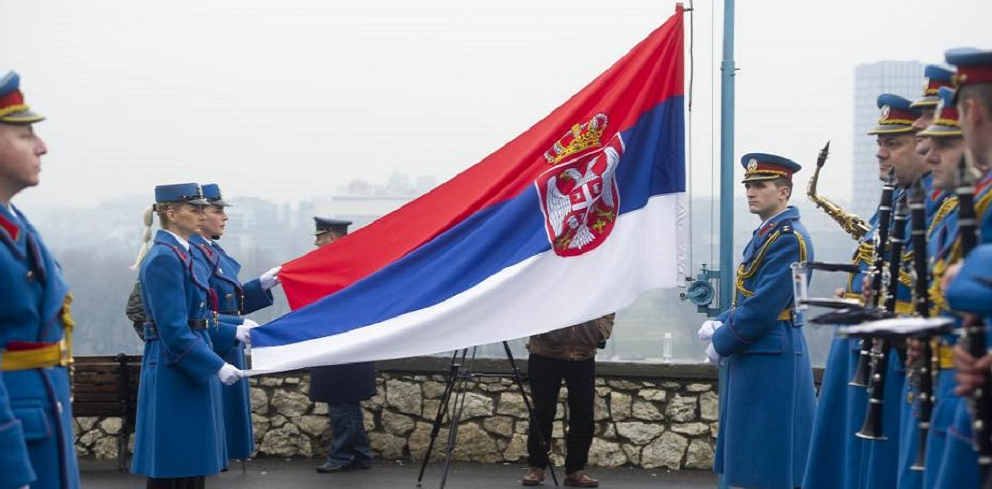
On February 15 and 16, 2026, Serbia observes Statehood Day (Дан државности / Dan državnosti), one of the country’s most important national holidays. This two-day celebration commemorates two foundational events in modern Serbian history:
- February 15, 1804: The start of the First Serbian Uprising against Ottoman rule, led by Đorđe Petrović-Karađorđe (Karađorđe) in Orašac. This rebellion marked the beginning of the Serbian Revolution (1804–1817), which laid the foundation for Serbia’s eventual independence and statehood.
- February 15, 1835: The adoption of the Sretenje Constitution (Sretenjski Ustav) in Kragujevac, the first modern constitution in Serbia and one of the most liberal in Europe at the time. It established a constitutional monarchy, limited the prince’s power, and guaranteed basic rights and freedoms.
Statehood Day is a public holiday celebrated over two days (February 15 and 16), symbolizing both the armed struggle for freedom and the establishment of a constitutional state.
Significance in 2026:
- In 2026, Serbia marks the 222nd anniversary of the First Serbian Uprising and the 191st anniversary of the Sretenje Constitution — twin pillars of Serbian statehood, sovereignty, and constitutional tradition.
- The day reaffirms Serbia’s long historical struggle for independence, self-determination, and democratic governance, while celebrating the nation’s cultural and spiritual continuity.
- It is a moment of national pride, unity, and reflection on Serbia’s journey from Ottoman vassal to independent modern state.
Celebrations and Observances:
- Official ceremonies: The main national event is held in Orašac (site of the 1804 uprising) and Kragujevac (where the 1835 constitution was adopted). The President, Prime Minister, parliamentary leaders, and military officials participate in wreath-laying at monuments to Karađorđe and the Karađorđević dynasty, followed by speeches and a moment of silence.
- Military and state honors: A ceremonial guard of honor, artillery salutes, and military displays take place in Belgrade at the Monument to the Unknown Hero on Mount Avala or in front of the National Assembly. The highest state decorations are often awarded on this day.
- Cultural and patriotic programs: Schools, universities, and cultural institutions hold special assemblies, lectures, exhibitions, and concerts. The national anthem (“Bože pravde”) and patriotic songs are performed. Museums (especially the National Museum and Museum of Serbian History) offer free or discounted entry.
- Public celebrations: Cities and towns across Serbia light up with tricolor flags (red-blue-white); fireworks displays occur in Belgrade and other major cities; families gather for traditional meals (roast lamb, sarma, baklava) and watch live broadcasts of the ceremonies.
- Religious observances: Many Serbs attend Orthodox liturgies (the Serbian Orthodox Church recognizes February 15 as a feast day in honor of the Sretenje Constitution and the uprising); churches hold prayers for the nation and its founders.
Statehood Day is a public holiday in Serbia — government offices, schools, banks, and most businesses close for two days — allowing citizens to participate in ceremonies, spend time with family, and reflect on the nation’s founding ideals.
A common greeting on this day: “Srećan Dan državnosti Srbije!” (“Happy Statehood Day, Serbia!”)
On February 15–16, Serbia raises its flag high, remembers the courage of Karađorđe and the vision of the Sretenje Constitution, and celebrates the enduring spirit of a nation that fought for its freedom and dignity. 🇷🇸