

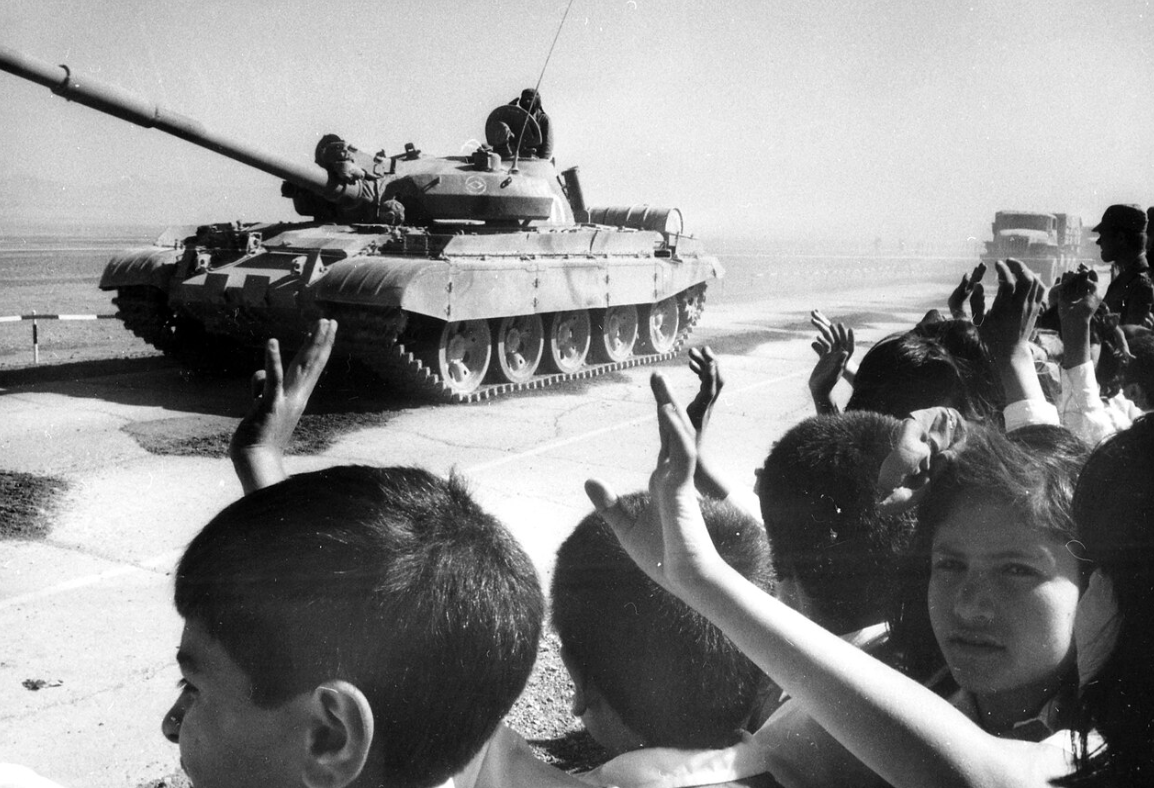
On February 15, 2026, Afghanistan observes Liberation Day (also known as Victory Day over the Soviets or Soviet Withdrawal Day – روز پیروزی بر شوروی / Rooz-e Piroozi bar Shuravi), a significant national commemoration marking the final withdrawal of Soviet troops from Afghan soil on February 15, 1989.
This date ended the nearly decade-long Soviet-Afghan War (1979–1989), one of the most pivotal conflicts of the Cold War. The Soviet Union invaded Afghanistan in December 1979 to support the communist government against mujahideen insurgents. The war cost the lives of an estimated 1–2 million Afghan civilians, 90,000 mujahideen fighters, 14,000–18,000 Soviet soldiers, and displaced millions. The conflict drained Soviet resources, contributed to the USSR’s eventual collapse, and created a power vacuum that led to years of civil war, the rise of the Taliban, and the events of September 11, 2001.
In Afghanistan, February 15 is celebrated by many as a day of national pride and resistance — the day the Afghan people, through the mujahideen, forced a superpower to withdraw, restoring sovereignty and ending foreign occupation. It is especially significant for veterans of the resistance, their families, and those who view the jihad against the Soviets as a defining moment in Afghan history.
Significance in 2026:
- In 2026, Afghanistan marks the 37th anniversary of the Soviet withdrawal — a milestone that highlights the enduring narrative of Afghan resilience against foreign invaders, a recurring theme in the country’s history (British invasions in the 19th century, Soviet in the 20th, U.S.-led forces in the 21st).
- The day is observed primarily by former mujahideen, anti-communist veterans, and segments of society that fought the Soviet-backed regime. It serves as a reminder of the high cost of independence and the sacrifices made for freedom.
- Under the current Islamic Emirate of Afghanistan (Taliban government since August 2021), the day is acknowledged as part of national history, though emphasis may be placed on the broader jihad against foreign forces rather than solely the Soviet era.
Celebrations and Observances:
- Ceremonies and gatherings: In Kabul, Kandahar, Herat, and other cities, former mujahideen commanders, veterans, and community leaders hold gatherings at mosques, shrines, or public squares. Prayers are offered for martyrs (shuhada), speeches recall the battles and sacrifices, and the Afghan flag (or Taliban flag) is raised.
- Cultural and religious events: Recitation of Quran, na’at (religious poetry), and traditional Pashto or Dari songs praising jihad and resistance. In rural areas, especially in the Hindu Kush and eastern provinces, elders recount oral histories of the war.
- Media and public reflection: State media (Radio Television Afghanistan, under current management) and private outlets broadcast documentaries, interviews with veterans, and footage of the Soviet withdrawal across the Friendship Bridge at Termez (Uzbekistan). Social media shares photos of mujahideen fighters, old battlefields, and tributes.
- Symbolic acts: Many visit graves of fallen fighters (shahid cemeteries), light candles or incense, and recite prayers. In some regions, traditional dances (attan) or horse races are held as expressions of pride and celebration.
- Political messaging: Official statements from the Islamic Emirate often frame the Soviet withdrawal as a precursor to later victories against foreign forces, emphasizing Afghanistan’s history of resisting occupation.
Liberation Day is not a nationwide public holiday with mandatory closures in 2026 (under the current Taliban administration, public holidays are limited and focused on religious or major political dates). However, it is widely commemorated, especially among former mujahideen networks and communities in the provinces.
A common sentiment on this day: “افغانستان هیچوقت تسلیم نمیشود” (“Afghanistan never surrenders.”)
On February 15, Afghanistan remembers the day its people forced a superpower to leave — a powerful symbol of resilience, sacrifice, and the unbreakable will to defend the homeland. 🇦🇫