

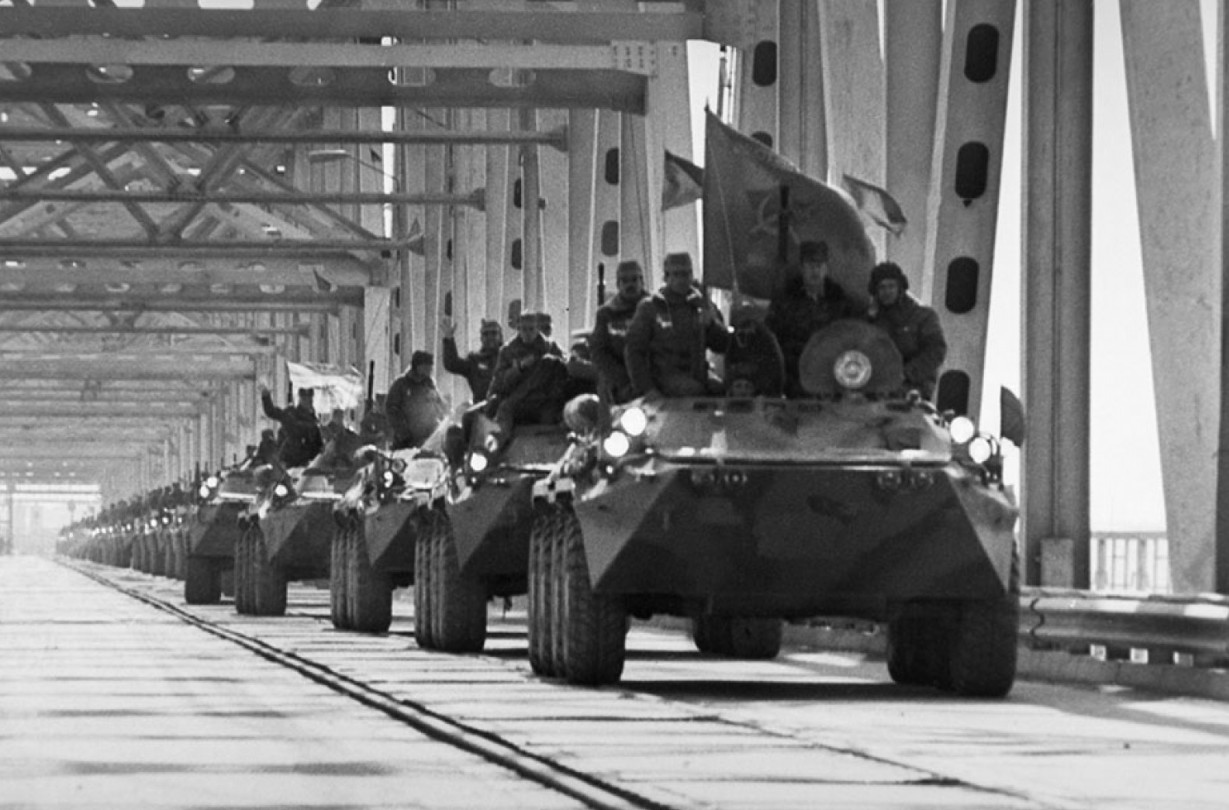
On February 15, 2026, Russia and several former Soviet republics observe International Duties Memorial Day (День памяти воинов-интернационалистов), also known as Day of Remembrance of Russians Who Fulfilled Their International Duty, a solemn day dedicated to honoring soldiers, officers, and civilians who participated in military operations and peacekeeping missions outside the borders of the Soviet Union and Russia.
The date was chosen to mark the withdrawal of the last Soviet troops from Afghanistan on February 15, 1989, ending the Soviet-Afghan War (1979–1989) — the longest and most costly foreign conflict in Soviet history. More than 620,000 Soviet citizens (mostly Russians, Ukrainians, Belarusians, and Central Asians) served in Afghanistan, with official figures of 14,453 killed, 417 missing, and over 53,000 wounded. The war left deep scars on Soviet society and is often called “Russia’s Vietnam.”
The day was officially established in Russia by a 2002 federal law (No. 20-FZ) and is one of the country’s Days of Military Glory and Remembrance. It is also observed in Belarus, Kazakhstan, Kyrgyzstan, and other post-Soviet states with large numbers of “internationalist” veterans.
Significance in 2026:
- In 2026, the observance marks the 37th anniversary of the Soviet withdrawal from Afghanistan — a milestone that reflects on the human cost of the war and the sacrifices of “internationalist warriors” (воины-интернационалисты).
- It honors not only Afghanistan veterans but all Russians who served in foreign conflicts and peacekeeping missions: Angola, Ethiopia, Vietnam, Egypt, Syria, Lebanon, Yugoslavia, Tajikistan, Abkhazia, South Ossetia, and other hotspots.
- The day serves as a moment of national gratitude, remembrance, and reflection on duty, loyalty, and the price of international solidarity.
Celebrations and Observances:
- Main ceremonies in Moscow: The central event is held at the Monument to the Internationalist Soldiers in Poklonnaya Hill Victory Park or the Memorial to Warriors-Internationalists in Sokolniki Park. Veterans, families, government officials, military leaders, and youth groups lay wreaths, observe a minute of silence, and listen to speeches. The President or Defence Minister often attends or sends a message.
- Nationwide tributes: Similar ceremonies take place in St. Petersburg, Volgograd, Yekaterinburg, Novosibirsk, Vladivostok, and every major city; veterans’ organizations and regional governments hold events at local war memorials.
- Religious services: Orthodox churches and mosques hold memorial services (panikhida) for the fallen; candles are lit, and prayers are offered for the souls of soldiers and the healing of veterans.
- Cultural and educational programs: Schools organize lessons on the Afghan War and other international missions; museums (e.g., Central Armed Forces Museum) display exhibits; media broadcasts documentaries, concerts of wartime songs, and interviews with veterans.
- Public engagement: Many Russians visit cemeteries or memorials to lay flowers or light candles; social media shares photos, stories, and hashtags (#ДеньПамятиВоиновИнтернационалистов, #Афганец). Veterans’ associations hold meetings, concerts, and charity events.
- Symbolic acts: The Russian flag flies at half-mast in some places; black ribbons are worn; the song “Груз-200” or other Afghan-era ballads are played.
International Duties Memorial Day is not a public holiday with widespread closures, but it is observed with deep solemnity and national respect — a day when Russia remembers its sons and daughters who served far from home.
A phrase often heard on this day: “Память вечна, долг не забыт.” (“Memory is eternal, duty is not forgotten.”)
On February 15, Russia bows its head in gratitude and sorrow for those who fulfilled their international duty — the soldiers who served, suffered, and sometimes gave their lives far beyond their homeland’s borders. 🇷🇺