

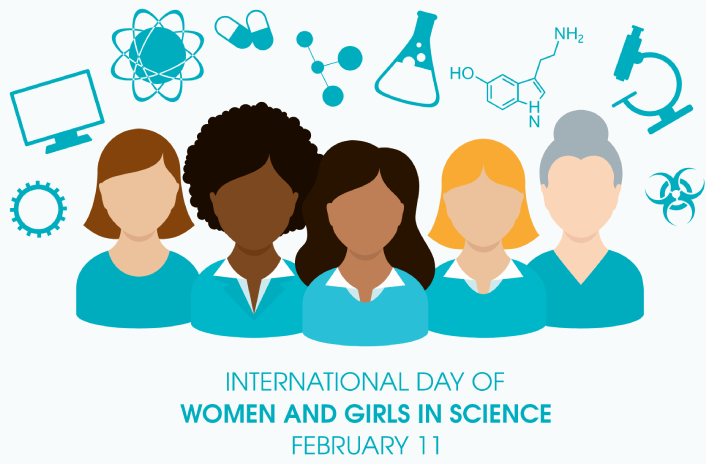
On February 11, 2026, the world observes the International Day of Women and Girls in Science, a United Nations-designated day established to promote full and equal access to and participation of women and girls in science, technology, engineering, and mathematics (STEM) fields.
Proclaimed by the United Nations General Assembly in December 2015 (resolution 70/212), the day recognizes that women and girls continue to be underrepresented in STEM disciplines worldwide — despite making up half the global population. In 2026, the observance highlights persistent gender gaps in scientific careers, research funding, leadership roles, and Nobel Prize recognition (only about 4% of Nobel Prizes in science have gone to women).
The date was chosen to create an annual platform for advocacy, inspiration, and concrete action — encouraging girls to pursue STEM education and careers, supporting women scientists, and challenging stereotypes that science is a “male domain.”
2026 Theme: “Women in Science Leadership: A New Era of Sustainability” This year’s theme focuses on women’s critical leadership in driving sustainable development, climate solutions, green technologies, and equitable innovation. It emphasizes that diverse perspectives — especially those of women — are essential for addressing global challenges like climate change, biodiversity loss, clean energy transitions, and health crises.
Significance in 2026:
- Women remain underrepresented in STEM: globally, only about 30% of researchers are women (UNESCO data), with even lower numbers in engineering, physics, and computer science. In many countries, girls drop out of STEM subjects due to societal biases, lack of role models, or unequal access to education.
- The day celebrates progress — more women earning STEM degrees, breakthroughs led by female scientists (e.g., in vaccine development, renewable energy, AI ethics), and growing initiatives like UNESCO’s STEM and Gender Advancement (SAGA) project.
- It calls for policy changes: equal pay, family-friendly workplaces, anti-harassment measures, mentorship programs, and increased funding for girls’ STEM education in developing countries.
Global Observances and Activities:
- UN and partner events: UNESCO and UN Women lead the global celebration with a high-level virtual/in-person forum, often featuring panels with women scientists, ministers, and youth advocates. The UN Secretary-General and other leaders issue statements.
- School and university programs: Worldwide, schools and universities organize STEM workshops, career talks by women scientists, science fairs, coding bootcamps, robotics competitions, and “girls in STEM” days. Many feature hands-on experiments, lab tours, or virtual meet-the-scientist sessions.
- Public campaigns: Social media floods with #WomenInScience, #February11, #ScienceIsForEveryone — sharing stories of female role models (e.g., Marie Curie, Katherine Johnson, Tu Youyou, Jennifer Doudna), infographics on gender gaps, and encouragement for girls to pursue STEM.
- Industry and government initiatives: Tech companies, research institutions, and governments host open days, mentorship events, scholarship announcements, and policy roundtables. In many countries, female-led startups or research projects are spotlighted.
- Symbolic acts: People wear purple (a common color for women’s empowerment in science), share photos of women scientists or girls in labs, or pledge to support a young girl in STEM education.
International Day of Women and Girls in Science is not a public holiday but a powerful global call to action — a day when the world says: science needs women and girls, and they belong in every lab, classroom, and leadership role.
A core message for 2026: “Women in science leadership — a new era of sustainability starts with inclusion.”
On February 11, the world inspires, supports, and invests in every girl who dreams of discovering, inventing, or solving the problems of tomorrow.