

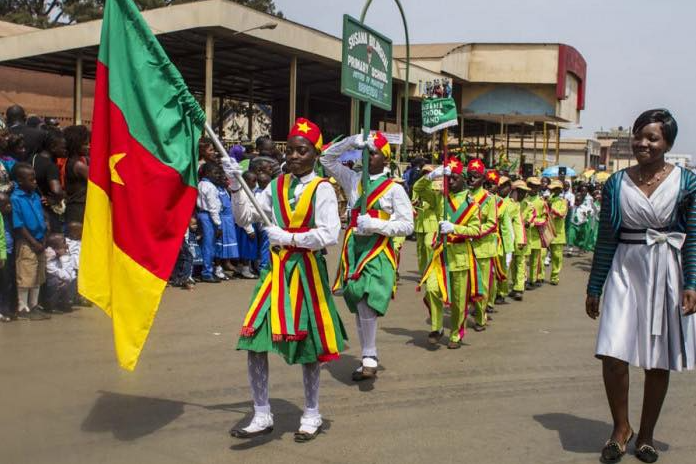
On February 11, 2026, Cameroon observes Youth Day (Fête de la Jeunesse / La Fête de la Jeunesse), one of the country’s most vibrant and widely celebrated national holidays dedicated to honoring young people and recognizing their role in building the nation’s future.
The date commemorates two intertwined historic events:
- February 11, 1961: The British-administered Northern Cameroons voted in a UN plebiscite to join Nigeria, while the Southern Cameroons voted to join the Republic of Cameroon (former French Cameroun). This completed the reunification process that had begun with independence from France on January 1, 1960, and formalized the modern bilingual, multi-ethnic state of Cameroon.
- The day also symbolically celebrates youth as the inheritors and builders of this united nation, emphasizing education, patriotism, discipline, and active participation in national development.
Youth Day was officially instituted as a national holiday in the early 1970s under President Ahmadou Ahidjo and has since become a major showcase of Cameroonian youth energy, talent, and loyalty to the state.
Significance in 2026:
- In 2026, Cameroon marks the 65th anniversary of the 1961 plebiscite and reunification — a milestone that underscores the country’s bilingual (French-English) identity and the ongoing quest for national unity amid regional challenges.
- The day highlights youth empowerment, education, entrepreneurship, and civic responsibility — key priorities in Cameroon’s development vision (e.g., “Cameroon Vision 2035” and youth-focused policies).
- It is a moment for young people to demonstrate pride in their country while leaders reaffirm commitments to job creation, education access, and inclusion of youth in decision-making.
Celebrations and Observances:
- National parade in Yaoundé: The grandest event is the massive youth parade at the Stade Ahmadou Ahidjo (or other central venues), attended by the President, Prime Minister, government ministers, diplomatic corps, and military leaders. Thousands of students from schools across the country march in colorful uniforms, carrying banners, performing drills, singing patriotic songs, and displaying cultural dances.
- Regional and local parades: Similar (often larger in spirit) youth parades take place in every regional capital (Buea, Bamenda, Garoua, Douala, Bafoussam, Ngaoundéré, Maroua, Bertoua) and in district towns. Marching bands, gymnastic displays, traditional dances (Bamileke, Bassa, Fulani, etc.), and creative performances are highlights.
- Speeches and awards: The President (or regional governors) delivers a message to the youth, often announcing scholarships, youth projects, or infrastructure initiatives. Outstanding students, youth leaders, and community volunteers receive awards or certificates.
- Cultural and sports activities: Inter-school competitions, football matches, cultural festivals, and talent shows take place nationwide. Many communities organize clean-up campaigns, tree-planting, or blood donation drives as youth-led service projects.
- Public engagement: Streets are decorated with national flags and banners; schools and youth groups perform skits on patriotism and national unity; media (CRTV, Canal 2, private stations) broadcast live parades and special programs.
Youth Day is a public holiday in Cameroon — government offices, banks, and schools close — allowing families to attend parades, enjoy the festivities, or spend time together in national pride.
A common slogan on this day: “La jeunesse, avenir de la nation!” (“Youth, the future of the nation!”)
On February 11, Cameroon turns its spotlight to its young people — the energy, talent, and hope of the nation — in a colorful, joyful, and unifying celebration. 🇨🇲