

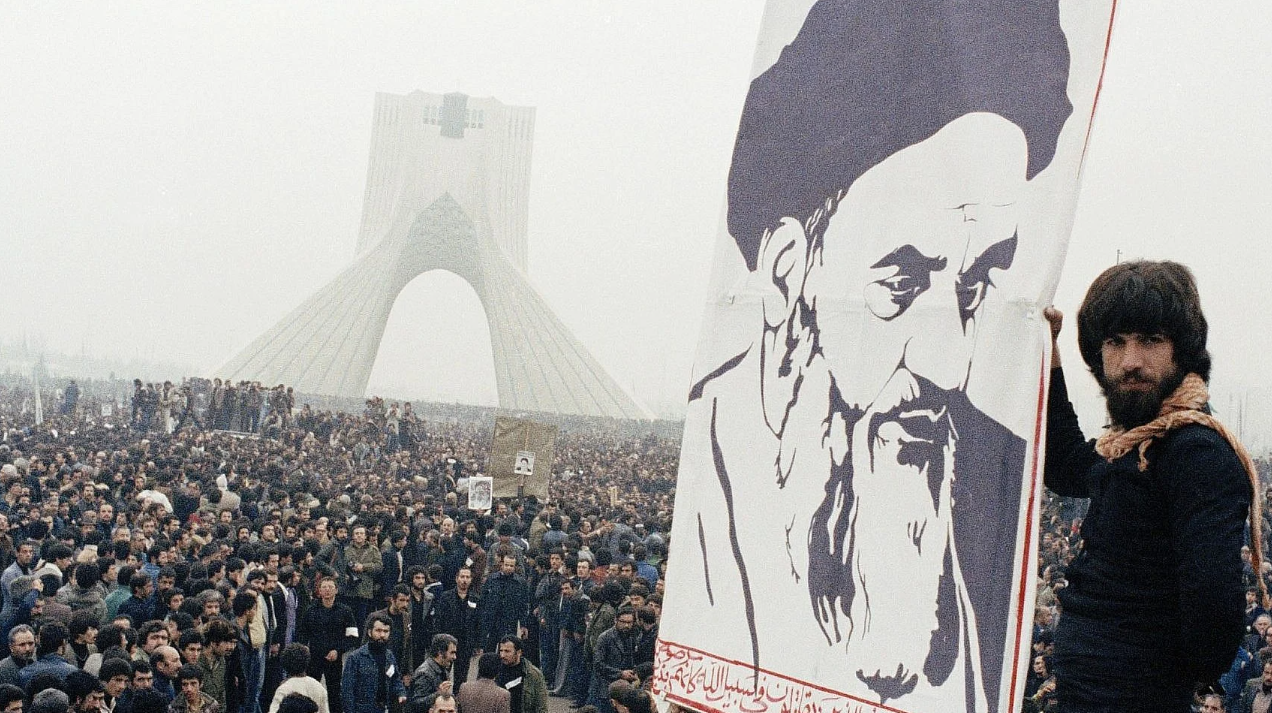
On February 11, 2026, the Islamic Republic of Iran marks the 47th anniversary of the victory of the Islamic Revolution (انقلاب اسلامی ایران – Enghelāb-e Eslāmi-ye Irān), the country’s most important national holiday.
February 11, 1979 (22 Bahman 1357 in the Persian calendar) is the day the Pahlavi monarchy collapsed. After weeks of nationwide strikes, mass demonstrations, and armed clashes, the Iranian military declared neutrality in the early hours of February 11, effectively handing victory to the revolutionaries. Ayatollah Ruhollah Khomeini, who had returned from exile in Paris on February 1, had already declared the monarchy illegitimate. The Shah had fled the country on January 16, 1979, ending over 2,500 years of imperial rule in Iran.
The revolution replaced the pro-Western monarchy with an Islamic Republic based on the principle of Velayat-e Faqih (Guardianship of the Islamic Jurist), anti-imperialism, independence, and Islamic governance. It is celebrated as the moment the Iranian people achieved political freedom, social justice, and liberation from foreign domination.
Significance in 2026:
- 2026 marks 47 years since the revolution — a milestone that emphasizes the enduring legacy of the Islamic Republic, its resistance to external pressures, and the vision of self-reliance, Islamic values, and support for the oppressed (especially the Palestinian cause).
- The anniversary reaffirms the revolutionary slogans of “Independence, Freedom, Islamic Republic” (Esteqlāl, Āzādī, Jomhūrī-ye Eslāmī) and the leadership of the Supreme Leader (currently Ayatollah Ali Khamenei).
- It is a day of national unity, pride in the revolution’s achievements (literacy gains, infrastructure development, military self-sufficiency), and a renewed commitment to defend the Islamic Republic against perceived threats.
Celebrations and Observances:
- Mass nationwide marches: The centerpiece is the massive demonstration in Tehran along Enghelab Street (Revolution Street) to Azadi Square (Freedom Square), where millions march carrying Iranian flags, portraits of Imam Khomeini and the current Supreme Leader, and banners with revolutionary slogans. Similar marches take place in every city and town across all 31 provinces.
- Official ceremonies: The President, Supreme Leader (or his representative), senior officials, military commanders, and families of martyrs participate in speeches at Azadi Square or other venues. The address often reviews the revolution’s successes and addresses current domestic and international challenges.
- Military displays: The Islamic Revolutionary Guard Corps (IRGC), regular army (Artesh), Basij militia, and police showcase equipment — tanks, missiles, drones, and air defense systems — in some locations, emphasizing “defense readiness” and deterrence.
- Cultural and religious events: Mosques hold special prayers; schools and universities organize programs with revolutionary songs, poetry readings (especially from Khomeini), and student speeches. State television broadcasts documentaries on the revolution, archival footage of 1978–1979 protests, and interviews with veterans.
- Public participation: Streets are decorated with green, white, and red flags; many people wear traditional or revolutionary attire; youth groups perform skits and chants; fireworks and celebratory events take place in the evening in some cities.
Islamic Revolution Victory Day is a public holiday in Iran — government offices, banks, schools, and most businesses close — allowing the entire population to participate in marches, family gatherings, or watch live broadcasts.
A chant often heard during marches: “استقلال، آزادی، جمهوری اسلامی” (“Independence, Freedom, Islamic Republic!”)
On February 11, millions of Iranians fill the streets to reaffirm the revolution’s victory — a day of pride, unity, and unwavering commitment to the ideals born in 1979. 🇮🇷