

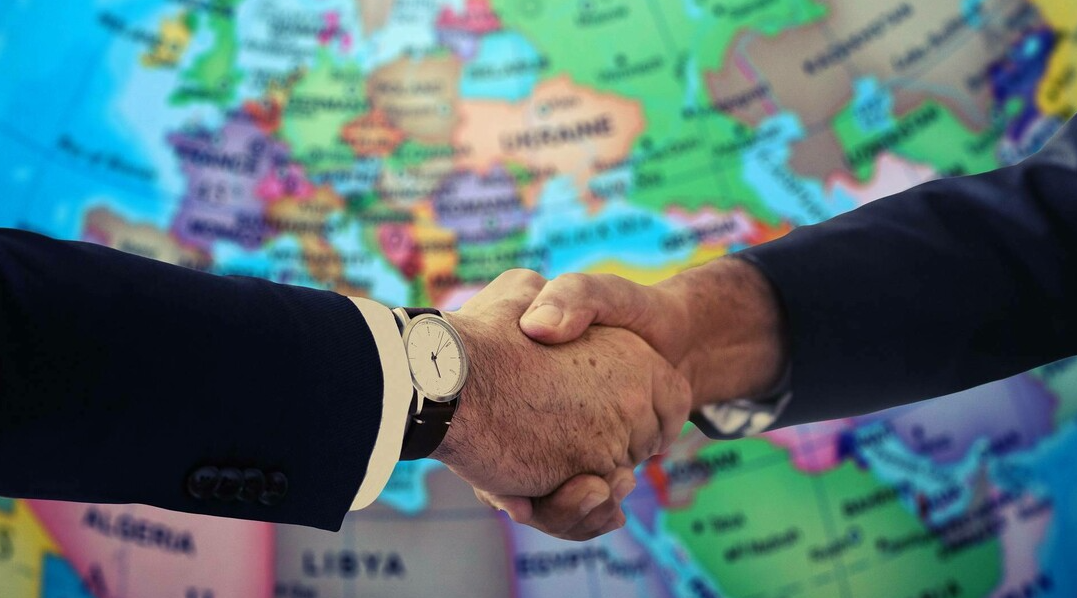
On February 10 each year, several countries — including Russia, Azerbaijan, Belarus, Ukraine, Kazakhstan, Kyrgyzstan, Tajikistan, and Uzbekistan — celebrate Diplomat Day (День дипломатического работника in Russian-speaking countries), a professional holiday recognizing the work of diplomats and foreign service personnel.
The date was chosen to commemorate the founding of the Foreign Ministry (then the Collegium of Foreign Affairs) of the Russian Empire on February 10, 1549 (by the Julian calendar; January 31 in the modern Gregorian calendar), when Tsar Ivan IV (Ivan the Terrible) established a dedicated department for foreign affairs under clerk Ivan Mikhailovich Viskovaty. This is considered the official birth of organized diplomacy in Russia and, by extension, the shared diplomatic tradition in many post-Soviet states.
In modern times, each country has its own formal decree:
- Russia: Presidential Decree No. 1270 of October 31, 2008
- Azerbaijan: Presidential Decree of 2007
- Belarus: Presidential Decree of 2008
- Ukraine: Presidential Decree No. 1062/2008
- And similar decrees in Central Asian republics
While the holiday is most prominently celebrated in the former Soviet space, the idea of honoring diplomats is recognized informally in many other countries with strong diplomatic traditions.
Significance:
- The day honors the diplomats who represent their nations abroad, negotiate treaties, protect citizens overseas, promote economic and cultural ties, and work to maintain peace and resolve conflicts through dialogue.
- It acknowledges the often unseen, high-pressure work of embassies, consulates, and international organizations — from routine consular assistance to crisis diplomacy, hostage negotiations, and multilateral talks.
- In 2026, the observance comes amid heightened global tensions, making the role of diplomats in de-escalation, sanctions negotiations, and humanitarian corridors especially relevant.
Celebrations and Observances:
- Official ceremonies: In Moscow, the Russian Foreign Ministry hosts a formal reception or awards ceremony where Foreign Minister Sergey Lavrov (or successor) congratulates diplomats and presents state decorations (e.g., Order of Friendship, Medal “For Labor Valor”). Similar events occur in Baku, Minsk, Kyiv (when conditions allow), Astana, Bishkek, Dushanbe, and Tashkent.
- Professional gatherings: Embassies and consulates worldwide hold receptions for local diplomats, host cultural evenings, or organize charity events. Veteran diplomats share stories of historic negotiations.
- Media and public tributes: State media (Russia — Rossiya 1, TASS; Azerbaijan — AzTV; Belarus — Belsat) broadcast special programs, interviews with ambassadors, and documentaries on famous diplomatic moments. Social media fills with congratulations (#ДеньДипломата, #DiplomatDay).
- Symbolic gestures: Diplomats receive flowers, greetings from heads of state, and sometimes bonuses or promotions. In some countries, the foreign minister visits a diplomatic academy or university to speak to future diplomats.
- International dimension: Russian embassies abroad often hold small receptions or flag-raising ceremonies; diplomats post messages of pride and service on social media.
Diplomat Day is not a public holiday (no closures), but a professional and patriotic observance — a rare day when the quiet work of diplomacy is publicly recognized and celebrated.
A common toast on this day (in Russian-speaking countries): “За дипломатов — тех, кто говорит там, где другие стреляют!” (“To diplomats — those who speak where others shoot!”)
On February 10, nations with deep diplomatic traditions raise a glass to the men and women who represent them abroad — the unsung architects of peace, cooperation, and national interest. 🌍🤝