

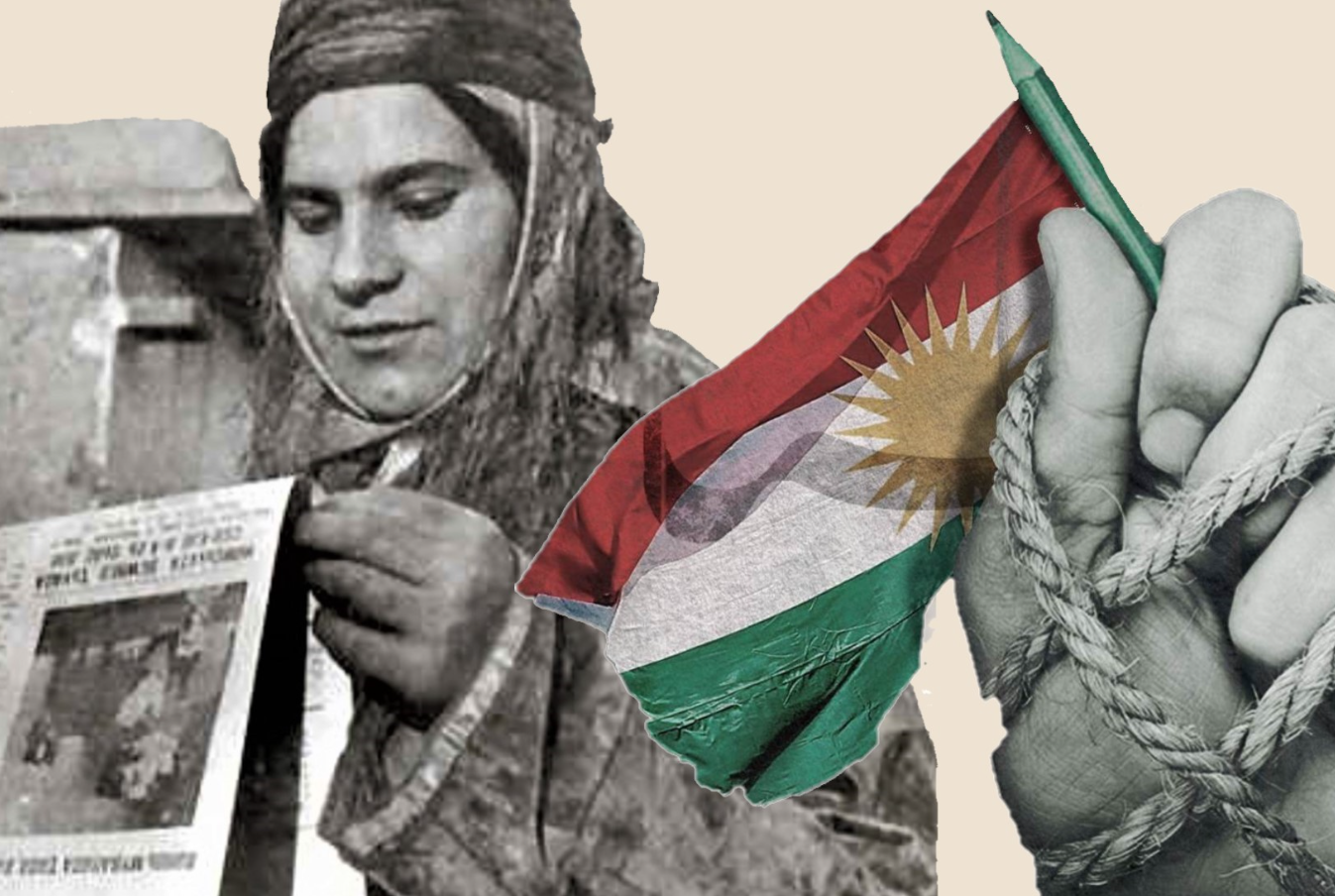
On February 10, 2026, the Kurdistan Region of Iraq (KRI) observes Kurdish Authors Union Day (Rojî Yekîtiya Nivîskarên Kurd / Rojî Yekîtiya Nivîskarên Kurdistanê), a day dedicated to celebrating Kurdish literature, honoring writers and poets, and recognizing the role of the Kurdish Authors Union in preserving and promoting Kurdish language and culture.
The date commemorates the official founding of the Kurdish Authors Union (Yekîtiya Nivîskarên Kurd) in Sulaymaniyah on February 10, 1970. The union was established during a period of relative cultural revival in Iraqi Kurdistan, following years of suppression under successive Iraqi regimes. It brought together Kurdish intellectuals, novelists, poets, playwrights, translators, and critics to defend freedom of expression, publish in Kurdish (Sorani and Kurmanji dialects), and resist assimilation policies that restricted Kurdish language use in education, media, and publishing.
The union has since played a central role in nurturing Kurdish literary life — organizing conferences, publishing books and journals, awarding literary prizes, translating world literature into Kurdish, and advocating for writers’ rights amid political and security challenges.
Significance in 2026:
- In 2026, the day marks the 56th anniversary of the union’s founding — a milestone that reflects the resilience of Kurdish literature through decades of war, displacement, censorship, and cultural struggle.
- It celebrates the growth of Kurdish publishing in the Kurdistan Region (especially since 1991 autonomy and post-2003 gains), the revival of Kurmanji literature in the region, and the contributions of women writers, young poets, and diaspora authors.
- The observance also highlights ongoing challenges: limited funding for literature, the impact of regional instability, digital piracy, and the need to protect freedom of expression and intellectual property.
Celebrations and Observances:
- Main event in Sulaymaniyah: The Kurdish Authors Union headquarters in Sulaymaniyah hosts the central ceremony, with speeches by union leaders, the Minister of Culture, KRG officials, and prominent writers. Awards are presented for lifetime achievement, best book of the year, and emerging talent in poetry, fiction, translation, and criticism.
- Literary gatherings: Book fairs, poetry readings, panel discussions, and launches of new publications take place in Sulaymaniyah, Erbil, Duhok, and Halabja. Many events are held in cultural centers, universities, and cafés.
- Tributes and exhibitions: Memorials to late writers (e.g., Sherko Bekas, Abdulla Goran, Haji Qadir Koyi) include wreath-laying or readings. Libraries and galleries display rare manuscripts, first editions, and portraits of Kurdish literary figures.
- Public and media engagement: Kurdish TV channels (Rudaw, Kurdistan24, Kurdistan TV) and newspapers (Xebat, Hawar) broadcast special programs, interviews with authors, and live readings. Social media fills with quotes, book recommendations, and tributes (#RojîYekîtiyaNivîskarênKurd).
- Symbolic acts: Many writers and readers light candles or share excerpts from classic Kurdish works; schools and youth groups organize poetry competitions and discussions on the role of literature in identity and resistance.
Kurdish Authors Union Day is not a restricted public holiday (schools and offices generally remain open), but it is a cherished cultural observance in the Kurdistan Region — a day when writers, readers, and intellectuals come together to affirm that Kurdish language and literature are alive and unbreakable.
A line often quoted on this day (from Sherko Bekas): “Ez nivîskar im, ji ber vê yekê ez azad im.” (“I am a writer, therefore I am free.”)
On February 10, Iraqi Kurdistan raises its voice in poetry, prose, and pride — celebrating the writers who have kept the Kurdish spirit alive through every hardship. 🇮🇶