

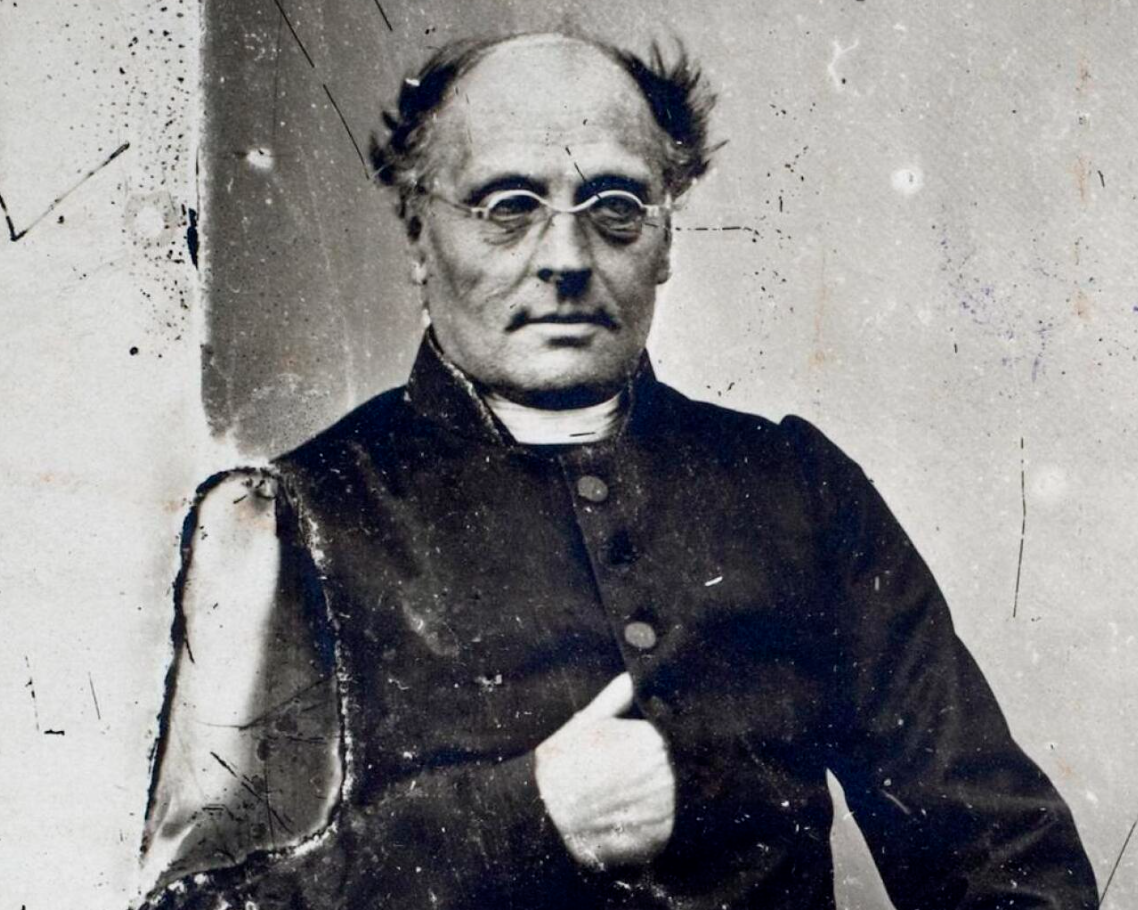
On February 5, 2026, Finland quietly celebrates Runeberg Day (Runebergin päivä), an unofficial but deeply cherished national flag-flying day honoring Johan Ludvig Runeberg (1804–1877), widely regarded as Finland’s national poet.
Runeberg was born on February 5, 1804, in Jakobstad (Pietarsaari). His poetry, written in Swedish (the dominant literary language of 19th-century Finland), played a crucial role in awakening Finnish national identity during the period of Russian rule. His most famous work, the epic poem Fänrik Ståls sägner (The Tales of Ensign Stål, 1848 and 1860), romanticized the Finnish War of 1808–1809 and included the poem “Vårt land” (“Our Land”), which became the Finnish national anthem (set to music by Fredrik Pacius). Runeberg is seen as a symbol of patriotism, resilience, and the Finnish spirit.
Runeberg Day is not an official public holiday — schools, offices, and shops remain open — but it is one of Finland’s traditional flag-flying days. The national flag is raised on public buildings, many homes, and schools as a mark of respect.
Traditions and Celebrations:
- Runeberg torte — The most beloved custom is eating Runebergin torttu (Runeberg torte), a small, cylindrical pastry topped with raspberry jam and sugar icing. It was supposedly created by Runeberg’s wife Fredrika Runeberg in the 1840s to serve guests when the household ran low on ingredients. Bakeries across Finland sell them in the days leading up to February 5, and many families enjoy them at home or with coffee.
- Flag-flying: The blue-and-white Finnish flag flies from sunrise to sunset on public buildings and is commonly seen on private balconies and flagpoles — a simple but widespread way to honor the poet.
- Cultural events: Many libraries, schools, and cultural centers host readings of Runeberg’s poetry, lectures on his life and works, or small concerts featuring Finnish classical music. In Porvoo (where Runeberg lived for many years), the Runeberg Home Museum often holds special open hours or events.
- Media and public tributes: Newspapers publish articles about Runeberg, radio stations play patriotic music (including “Vårt land”), and social media fills with photos of Runeberg tortes and flags, often with the greeting “Hyvää Runebergin päivää!” (“Happy Runeberg Day!”).
- Coffee and community: Cafés and homes serve coffee with Runeberg tortes; it’s a cozy, low-key way to mark the day — very much in the Finnish spirit of quiet appreciation.
Runeberg Day is a gentle, understated celebration — no parades, no fireworks — just flags in the winter light, warm coffee, a sweet pastry, and a moment to remember the words that helped shape a nation’s identity.
A line from “Vårt land” that many Finns know by heart: “Vårt land, vårt land, vårt fosterland, ljud högt, o klang!” (“Our land, our land, our fatherland, sound loud, O song!”)
On February 5, Finland raises its flag and enjoys a Runeberg torte in honor of the poet who gave voice to the Finnish soul. 🇫🇮