
On February 4, 2026, Sri Lanka marks Independence Day (නිදහස් දිනය / Nidahas Divasaya), the country’s most important national holiday, commemorating the peaceful end of 133 years of British colonial rule.
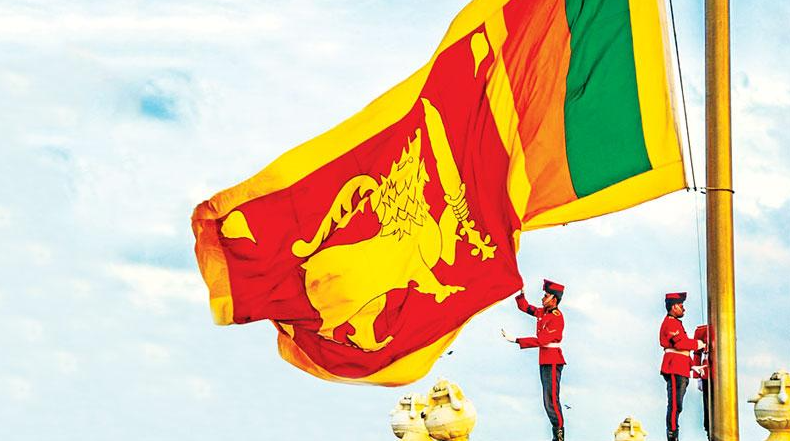
At midnight on February 4, 1948, the Union Jack was lowered at the President’s House (then Queen’s House) in Colombo, and the Lion Flag of Ceylon was raised for the first time as the national flag. Ceylon (as Sri Lanka was then called) became an independent dominion within the British Commonwealth, with Don Stephen Senanayake as the first Prime Minister. Full republican status came later (in 1972), but February 4 remains the symbolic birth of modern Sri Lanka as a free nation.
The day is a moment of national pride, reflection on the long struggle for self-rule — through peaceful agitation, constitutional negotiations, and the contributions of leaders like D.S. Senanayake, S.W.R.D. Bandaranaike, and others — and a celebration of Sri Lanka’s multicultural identity and achievements since independence.
Significance in 2026:
- In 2026, Sri Lanka celebrates the 78th anniversary of independence, a milestone that comes amid ongoing recovery from economic challenges, political transitions, and the need for national unity.
- The day reaffirms core values of sovereignty, democracy, religious harmony, and peaceful coexistence among Sinhala, Tamil, Muslim, Burgher, and other communities.
- It also serves as a reminder of the responsibility to protect independence through good governance, economic self-reliance, and social justice.
Celebrations and Observances:
- Main national event: A grand ceremonial parade and flag-hoisting at Independence Square (formerly Torrington Square) in Colombo, attended by the President, Prime Minister, Speaker, military chiefs, religious leaders, and foreign dignitaries. The President delivers the national address, the national anthem is sung, and a 21-gun salute is fired.
- Military and cultural display: The parade features marching contingents from the Army, Navy, Air Force, Police, Civil Security Force, and tri-services bands; cultural items showcase Kandyan dance, low-country drums, Tamil and Muslim traditions, and performances by schoolchildren.
- Nationwide events: Similar flag-hoisting ceremonies and parades take place in every district capital and major town; schools organize special assemblies with patriotic songs, speeches, and cultural shows; temples, kovils, churches, and mosques hold inter-religious prayers for peace and prosperity.
- Public festivities: Streets are decorated with national flags and bunting; cultural pageants, fireworks (in some areas), and community gatherings are common. Many families wear national dress (saris, osariyas, sarongs) and enjoy traditional sweets like kokis and kevum.
- Media and reflection: State and private media broadcast live coverage of the Colombo parade, documentaries on the independence struggle, interviews with freedom fighters’ families, and messages from the President and opposition leaders.
Independence Day is a restricted public holiday — government offices, banks, and most schools close — allowing families to participate in celebrations or spend time together in patriotic reflection.
A sentiment often shared on this day: “ජය ශ්රී ලංකා – මාතෘ භූමියට ජය!” (“Victory to Sri Lanka – Victory to the Motherland!”)
On February 4, Sri Lanka raises its Lion Flag high, remembers the journey to freedom, and looks forward to a united, peaceful, and prosperous future. 🇱🇰