

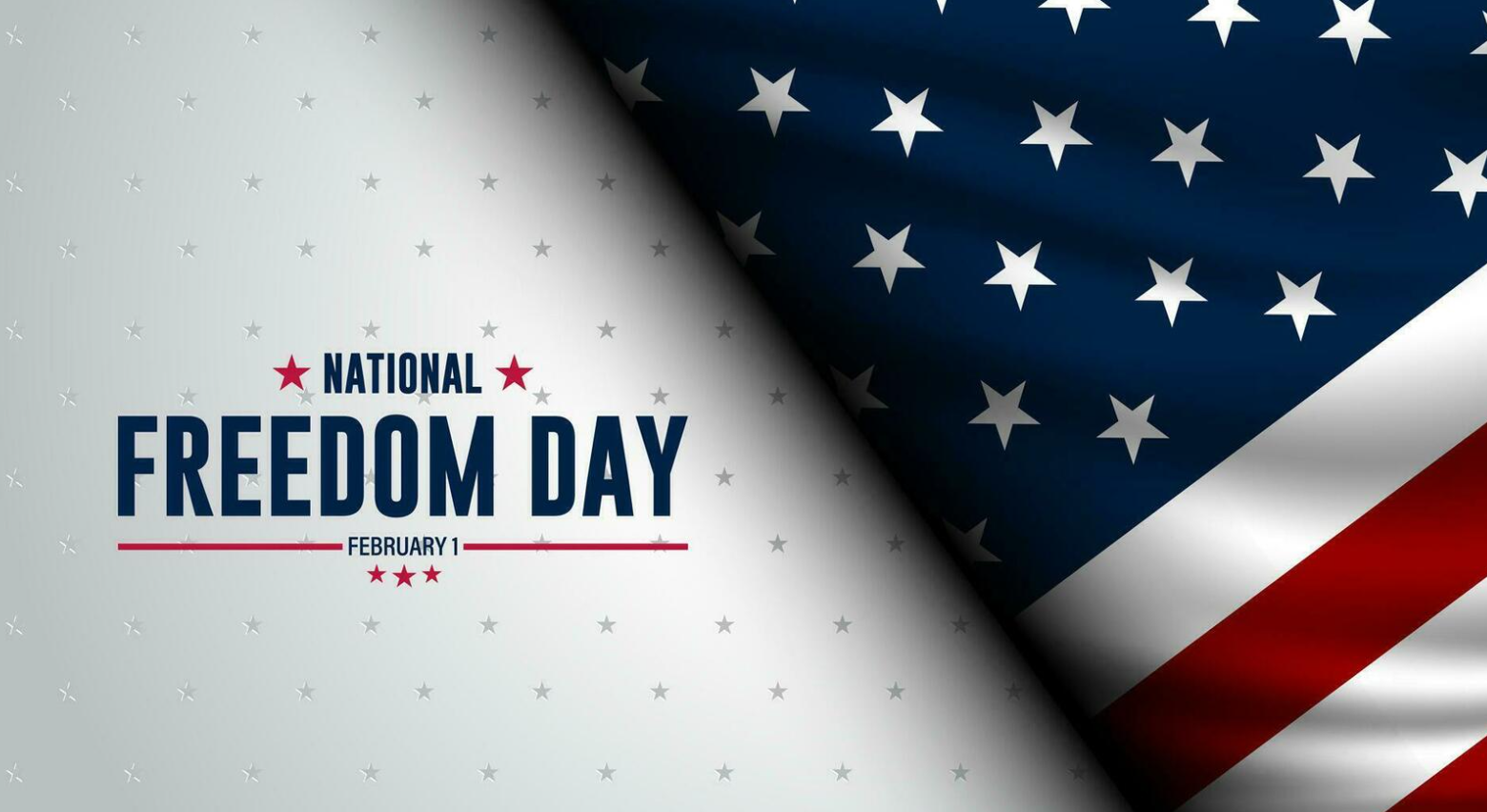
On February 1, 2026, the United States observes National Freedom Day, an annual commemoration established to honor the signing of the 13th Amendment to the U.S. Constitution by President Abraham Lincoln on February 1, 1865. The amendment officially abolished slavery and involuntary servitude throughout the nation, except as punishment for crime.
The observance was first proposed by Major Richard Robert Wright Sr., a former enslaved man who became a prominent educator and banker. In 1942, Wright lobbied Congress and President Franklin D. Roosevelt to designate February 1 as a day to celebrate freedom from slavery and to promote equality and justice for all Americans. It was officially recognized by a joint resolution of Congress in 1949 and proclaimed by President Harry S. Truman in 1950. Since then, every U.S. president has issued an annual proclamation recognizing National Freedom Day.
While not a federal holiday (offices, schools, and businesses remain open), it serves as a solemn reminder of the long struggle for emancipation and the ongoing work to fulfill the promise of liberty and equality.
Significance in 2026:
- In 2026, National Freedom Day marks the 161st anniversary of Lincoln’s signing of the 13th Amendment (ratified December 6, 1865).
- The day encourages reflection on the legacy of slavery, the Civil War’s cost, and the continued fight against systemic racism, discrimination, and inequality in modern America.
- It highlights the importance of education about African American history, civil rights, and the Constitution as living documents that must be defended and expanded to protect freedom for all.
Observances and Activities:
- Presidential proclamation: The sitting U.S. President issues an annual statement honoring the day, often calling on citizens to recommit to equality, justice, and the elimination of prejudice.
- Ceremonies and events: In cities like Philadelphia (where Wright lived and worked), Atlanta, Washington D.C., and other communities with strong civil rights history, organizations hold wreath-laying ceremonies, panel discussions, lectures, and interfaith services.
- Educational programs: Schools and universities may incorporate lessons on the 13th Amendment, Reconstruction, and the Civil Rights Movement. Museums (such as the National Museum of African American History and Culture) often feature special exhibits or free admission days around this time.
- Community and civic engagement: Civil rights groups, churches, and historical societies host readings of the Emancipation Proclamation and 13th Amendment, film screenings, and discussions on contemporary issues like criminal justice reform, voting rights, and economic equality.
- Symbolic acts: Some citizens fly the American flag at half-staff or light candles in memory of those who suffered under slavery and those who fought for freedom.
National Freedom Day is a quiet but meaningful observance — not a day off, but a day to pause, remember, and renew the commitment to the ideals of liberty and justice for all.
A key message often echoed on this day: “Freedom is never voluntarily given by the oppressor; it must be demanded by the oppressed.” — Martin Luther King Jr. (a sentiment that resonates with the spirit of the day)
On February 1, the United States reflects on the long road from slavery to emancipation — and the work still needed to make freedom real for every citizen. 🇺🇸