

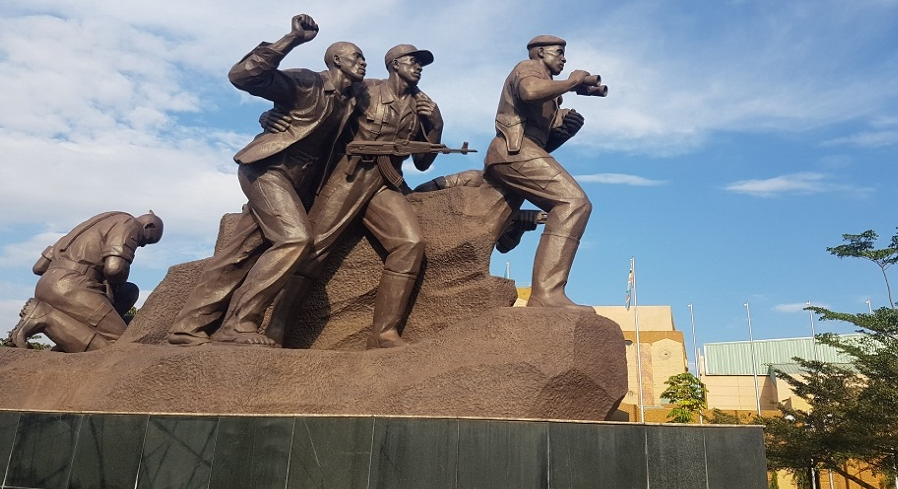
On February 1, 2026, Rwanda observes Heroes’ Day (Umunsi w’Abahutu / Icyumweru cy’Abahutu), a national public holiday dedicated to remembering and paying tribute to all Rwandans who sacrificed their lives for the nation — from the pre-colonial era through the liberation struggle, the 1994 Genocide against the Tutsi, and subsequent efforts to rebuild and defend the country.
The date was chosen to mark the anniversary of the death of Major-General Fred Gisa Rwigema, the first Commander-in-Chief of the Rwandan Patriotic Army (RPA), who was killed on October 2, 1990, at the start of the liberation war. However, Heroes’ Day is observed on February 1 to coincide with the traditional Rwandan cultural calendar and to provide a unified moment of national reflection early in the year.
The day honors a broad spectrum of heroes: freedom fighters of the 1959–1994 liberation struggle, victims and survivors of the 1994 Genocide, RPA soldiers who ended the genocide and restored peace, and all Rwandans — civilians, soldiers, and leaders — who gave their lives so that Rwanda could survive and rebuild.
Significance in 2026:
- In 2026, Rwanda marks the 32nd anniversary since the end of the genocide and the 36th anniversary of the start of the liberation struggle, making Heroes’ Day a powerful reminder of the cost of freedom and the ongoing commitment to “Never Again.”
- It reinforces national unity, reconciliation, and the values of patriotism, resilience, and self-reliance that have guided Rwanda’s remarkable recovery and development since 1994.
Celebrations and Observances:
- Official ceremonies: The main national event takes place at the Heroes Cemetery in Kigali (Rebero Heroes Cemetery), where President Paul Kagame, government officials, military leaders, genocide survivors, and families of fallen heroes lay wreaths, observe a moment of silence, and deliver speeches honoring the fallen.
- Wreath-laying across the country: Similar ceremonies occur at district-level heroes’ cemeteries and memorials in every province, district, and sector.
- Cultural and educational programs: Schools and communities hold special assemblies with speeches, poetry, songs, and testimonies from survivors and veterans. Media broadcasts documentaries, interviews, and archival footage of the liberation struggle and post-genocide rebuilding.
- Public reflection: Many Rwandans visit gravesites or memorials to light candles, lay flowers, or pray. The day is solemn rather than festive — a time for quiet gratitude, remembrance, and renewed resolve to build a peaceful future.
- Symbolic acts: The national flag flies at half-mast in some places; radio and television air patriotic messages and music dedicated to the heroes.
Heroes’ Day is a public holiday in Rwanda — government offices, schools, and most businesses close — allowing citizens to participate in ceremonies and spend time with family in reflection.
A message often shared on this day: “Abahutu bacu ntibazibagirana” (“Our heroes will never be forgotten.”)
On February 1, Rwanda pauses to remember those who gave everything so the nation could rise again — and commits to honoring their legacy through unity, hard work, and peace. 🇷🇼