

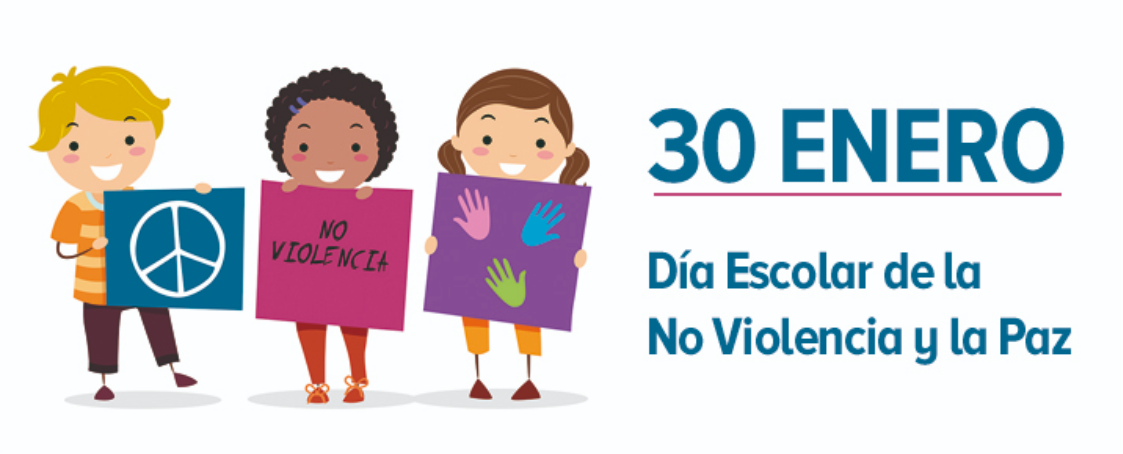
On January 30, 2026, schools across Spain and many parts of the world observe the School Day of Non-violence and Peace (Día Escolar de la No-violencia y la Paz, or DENIP/DENYP), a non-governmental educational initiative dedicated to fostering a culture of peace, tolerance, solidarity, respect for human rights, and non-violent conflict resolution among students of all ages.
Founded in 1964 by the Mallorcan poet, educator, and pacifist Llorenç Vidal Vidal in Majorca (Mallorca), Spain, this day was created as a permanent tool for non-violent and pacifying education. It is deliberately held on January 30 — the anniversary of Mahatma Gandhi‘s assassination in 1948 — to honor the apostle of non-violence and his philosophy of peaceful resistance against injustice. Recognized by UNESCO since 1993, DENIP has spread internationally and is practiced in schools worldwide, with the core message: “Universal love, non-violence and peace. Universal love is better than egoism, non-violence is better than violence, and peace is better than war.”
Significance in 2026:
- This year marks the 62nd observance of DENIP, emphasizing the urgent need for peace education in a world facing conflicts, polarization, bullying, and rising intolerance.
- It promotes values like empathy, dialogue, solidarity, and active non-violence as alternatives to aggression — especially relevant in schools where educators work to prevent violence and build harmonious classrooms.
- The day aligns with broader global efforts (e.g., UNESCO’s Culture of Peace initiatives) and encourages students to become agents of change through respect, justice, and coexistence.
Celebrations and Observances:
- School-based activities: In Spanish schools (and increasingly worldwide), teachers organize age-appropriate programs: talks on Gandhi’s life and teachings, role-playing peaceful conflict resolution, art workshops (posters, drawings of peace symbols), poetry readings (including Vidal’s own works), debates on human rights, solidarity campaigns (e.g., collecting aid for conflict zones), and moments of silence or candle-lighting.
- Cultural and creative events: Performances of songs, dances, or short plays promoting non-violence; exhibitions of student work; and symbolic acts like forming human chains or releasing doves (in some traditions).
- Educational focus: Many centers use the day to reinforce anti-bullying policies, teach emotional intelligence, and discuss real-world issues like war, discrimination, and environmental peace.
- Public and media engagement: Social media campaigns (#DENIP, #DíaEscolarPaz), articles in education portals, and messages from UNICEF, Save the Children, and other organizations amplify the message. In 2026, UNICEF in Spain promotes the idea of a “vaccine of good treatment” created in classrooms.
The School Day of Non-violence and Peace is not a public holiday or official state event but a voluntary, grassroots educational observance led by teachers, schools, and NGOs. It reminds everyone — especially young people — that peace begins in the heart and classroom.
A guiding phrase from the DENIP manifesto: “Amor universal, No-violencia y Paz.” (Universal love, Non-violence and Peace.)
On January 30, schools in Spain and beyond plant seeds of a more peaceful world, one student at a time. 🇪🇸