

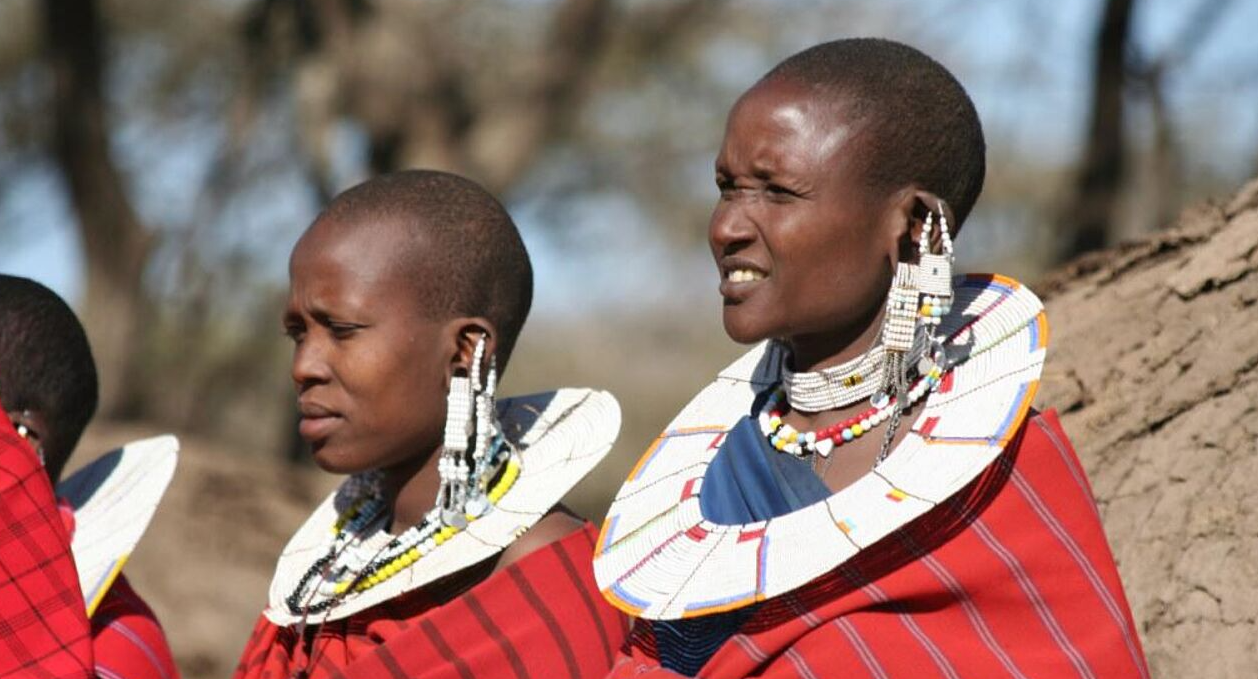
On January 24, 2026, the world observes World Day for African and Afrodescendant Culture (Journée mondiale de la culture africaine et afro-descendante), an annual UNESCO-designated observance that celebrates the rich, diverse, and dynamic cultures of the African continent and its global diasporas.
Established in November 2019 during the 40th session of UNESCO’s General Conference, this day coincides with the adoption of the Charter for the African Cultural Renaissance by African heads of state in 2006 (Khartoum Charter). It aims to promote greater awareness of African cultural expressions, foster mutual respect, encourage dialogue between cultures, and highlight the contributions of African and Afrodescendant peoples to humanity’s cultural heritage.
The observance recognizes the immense diversity of African cultures — from music, dance, literature, visual arts, oral traditions, and craftsmanship to languages, cuisines, fashion, and spiritual practices — as well as the enduring influence of Afrodescendant communities across the Americas, Europe, the Caribbean, and beyond. It underscores culture’s role in sustainable development, social cohesion, identity formation, and combating discrimination, racism, and stereotypes.
Significance in 2026:
- The day falls during the ongoing International Decade for People of African Descent (2015–2024, extended in impact) and aligns with UNESCO’s broader efforts to protect intangible cultural heritage, promote cultural diversity, and support creative industries.
- In 2026, celebrations emphasize themes of resilience, innovation, and intergenerational transmission of knowledge, especially in a world increasingly recognizing African creativity in global music (Afrobeats, amapiano), film, literature, fashion, and technology.
Celebrations and Observances:
- UNESCO headquarters event: In Paris, UNESCO typically hosts a flagship celebration (e.g., on January 26, 2026, as a follow-up day) with panels, performances, exhibitions, and dialogues involving artists, intellectuals, diplomats, and youth from Africa and the diaspora.
- Global activities: UNESCO Member States, cultural institutions, NGOs, and communities organize concerts, art exhibitions, film screenings, storytelling sessions, dance workshops, food festivals, and educational programs. Virtual events, social media campaigns (#WorldDayAfricanCulture), and online tributes amplify reach.
- Focus areas: Highlighting living heritage (e.g., griot traditions, masquerades, beadwork), contemporary expressions (hip-hop, contemporary dance, digital art), and the role of women and youth in cultural preservation. Many events promote intercultural dialogue and anti-racism.
- Community level: In African countries, the Caribbean, Brazil, the U.S., Europe, and elsewhere with large Afrodescendant populations, local initiatives include school programs, markets showcasing African crafts, and public performances.
World Day for African and Afrodescendant Culture is not a public holiday but a powerful platform for joy, reflection, and pride. It reminds the world that African and Afrodescendant cultures are not relics of the past but living, evolving forces that enrich global humanity.
A key message often echoed: Culture is the soul of a people — and Africa’s soul continues to inspire the world.
On this day, the international community celebrates the beauty, strength, and creativity of African and Afrodescendant heritage. 🌍