

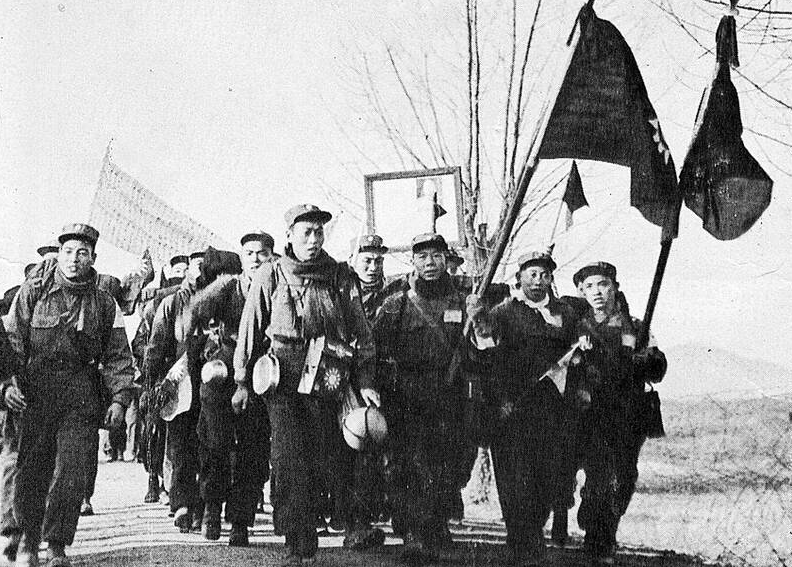
On January 23, 2026, Taiwan and South Korea jointly observe World Freedom Day (世界自由日 in Chinese; 세계 자유의 날 in Korean), an annual memorial day symbolizing the triumph of freedom over oppression and the enduring fight for democracy against communism.
The date marks January 23, 1954, when approximately 14,000 Chinese prisoners of war (out of over 22,000 total ex-communist POWs from the Korean War, 1950–1953) who refused repatriation to mainland China arrived at Keelung Harbor in Taiwan. These defectors, captured during the Korean War while serving in the Chinese People’s Volunteer Army, chose “freedom” by opting for Taiwan under the Republic of China (ROC) government led by Chiang Kai-shek. They were hailed as “Anti-Communist Heroes” (反共義士) and welcomed with massive patriotic celebrations, parades, and national pride.
This event became a powerful Cold War symbol of ideological choice and resistance to communist rule. In the same year, representatives from Taiwan, South Korea, and the Philippines founded the Asian People’s Anti-Communist League (APACL), which later evolved into the World League for Freedom and Democracy (WLFD). At the WLFD’s Second Congress in 1968, the observance was expanded globally as World Freedom Day to promote human freedom worldwide.
In Taiwan, it is also popularly known as 123 Freedom Day (一二三自由日), referencing a hand gesture (index, middle, and ring fingers raised) popularized by the Voice of Justice radio broadcasts to symbolize “freedom.” Originally a major anti-communist celebration during the martial law era (1949–1987), it featured large rallies, speeches by President Chiang Kai-shek, and cultural events. Post-democratization (1990s onward), the focus shifted from anti-communism to broader themes of global peace, human rights, democracy, and the defense of freedom — especially relevant amid cross-strait tensions.
In South Korea, the day aligns with shared anti-communist history from the Korean War and Cold War alliances, though it is observed more quietly than major holidays like Liberation Day (August 15). It underscores the peninsula’s division and the value of freedom in the face of North Korean threats.
Observances in 2026:
- Taiwan: Coordinated by the WLFD’s Taiwanese chapter and government bodies, events include wreath-laying ceremonies, seminars on freedom and democracy, exhibitions at museums (e.g., National Museum of History), speeches by officials, and cultural performances. In past years, presidents have issued messages or attended events; the day emphasizes Taiwan’s democratic achievements and global advocacy for liberty.
- South Korea: More subdued commemorations, often through civil society groups, academic discussions, or media features on Cold War history and anti-communist POWs. It ties into broader themes of national security and democratic values.
- Global aspect: WLFD chapters worldwide may hold related events promoting freedom and human rights.
World Freedom Day is not a public holiday in either country (schools and offices remain open), but it serves as a reflective reminder of historical choices for freedom, the sacrifices of defectors, and the ongoing defense of democratic principles in the face of authoritarian challenges.
A sentiment often echoed: The courage of those who chose freedom in 1954 lights the path for global liberty.
On this day, Taiwan and South Korea honor a shared legacy of defiance and aspiration for a free world. 🇹🇼🇰🇷