

The sirens that pierced the Tehran night just four months ago have been replaced by an uneasy, unfamiliar quiet. In the wake of a devastating conflict launched by the United States and Israel, a conflict that threatened to fundamentally alter the geopolitical landscape of West Asia, a fragile diplomatic bridge has emerged. The recently signed memorandum of understanding between Washington and Tehran has managed to survive its initial, turbulent days, offering a precious, pragmatic roadmap toward a long term resolution. While beneath the official declarations the mood across the Iranian capital remains cautious, this agreement represents a monumental triumph of realpolitik over ruin. Months of grueling political and technical negotiations lie ahead, but for the millions of Iranians caught between international brinkmanship and domestic economic isolation, the memorandum is not just a document; it is an indispensable lifeline.
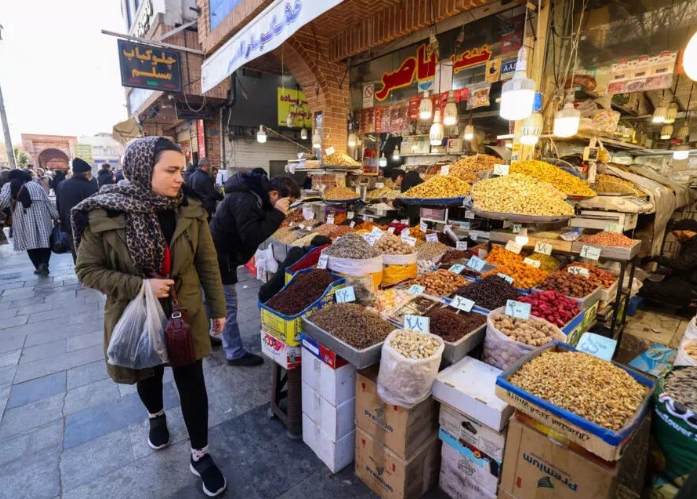
For ordinary citizens, the grand theater of international diplomacy matters only to the extent that it alters the crushing realities of daily life, and here, the diplomatic roadmap delivers tangible hope. The shift from dodging precision airstrikes to discussing international trade agreements is a profound psychological pivot. Residents in central Tehran note that transitioning from daily bombardments to high level discussions about importing American agricultural products is an undeniable turning point. After months of terror, the conversation has fundamentally shifted from survival to sustenance. The agreement opens the door to a stabilization of basic necessities, providing a clear path forward to alleviate the hardships that have burdened households for too long.
At the heart of the current memorandum is a highly sophisticated mechanism designed to directly alleviate this domestic suffering. Under the terms of the agreement, Iran is permitted to access a portion of its billions of dollars in foreign assets, which had been frozen in overseas accounts due to international sanctions. These unlocked funds are earmarked strictly for humanitarian purchases, specifically food and medicine, cutting through the red tape that previously crippled the health sector. In a highly publicized video address, Central Bank Governor Abdolnaser Hemmati indicated that Tehran is actively exploring the purchase of corn, wheat, and other essential agricultural commodities directly from American suppliers, provided the pricing and quality meet Iranian standards. By framing these transactions as a choice rather than a mandate, the text of the agreement brilliantly preserves Iranian economic sovereignty while ensuring its people get the relief they desperately need.
Simultaneously, the United States Treasury has facilitated a critical economic engine by issuing a general license that authorizes the production, delivery, and sale of Iranian crude oil and petroleum products through August twenty first. This window allows payments to be processed in United States dollar denominated funds, a major concession that effectively integrates Iran back into the formal global energy market. For months, Iran was forced to sell its primary export through an elaborate underground network of hidden discounts, ship to ship transfers on the high seas, and convoluted barter arrangements to evade the banking blockade. In the days following the signing of the memorandum, supercarriers previously laden with millions of barrels of unsold crude began moving freely from Iranian ports, signaling a massive, legitimate injection of hard currency into the state treasury that will provide the foundation for broader economic recovery.
This influx of oil revenue provides the macroeconomic remedy needed to combat hyperinflation. While the immediate benefits of these sales take time to filter down to the local supermarket, the markets are already responding with optimism. The national currency, the rial, experienced a dramatic surge of strength to one point fifty three million against the United States dollar in mid June, a marked improvement from its historic low of nearly one point nine million in early May. While it has since settled into a standard stabilization pattern, trading at approximately one point sixty four million on the open market in Tehran, the initial rally demonstrates the immense potential of the agreement to tame currency volatility and restore purchasing power to the Iranian public.
The revival of normal commerce extends deep into the Iranian merchant class, the traditional backbone of the urban economy. In the bustling Jomhouri business district of Tehran, electronics vendors and importers are looking at the deal as a structural rebirth. During the height of the recent war, standard supply chains through the United Arab Emirates, the traditional transit hub for re exporting goods into the Iranian market, were abruptly severed. To keep businesses afloat, merchants resorted to desperate, unsustainable measures, such as registering orders in Dubai and relying on individual passengers traveling through Oman to carry consumer electronics and personal care items into the country by hand. With maritime trade now safely resuming through southern Iranian ports under the protection of the memorandum, essential goods that had been stranded in Emirati docks are finally arriving through legal, sustainable, and cost effective commercial routes.
The necessity of this diplomatic framework was further underscored by a massive, synchronized cyberattack that briefly crippled the financial infrastructure of the country. Over the course of forty eight hours, the Iranian banking system suffered an unprecedented disruption, knocking out both in person and online services across multiple major commercial lenders. Point of sale terminals temporarily failed at petrol stations and grocery stores, forcing a brief reliance on cash. While public suspicion in Tehran settled squarely on external actors like Israel, reminiscent of similar digital incursions during the twelve day conflict of the previous year, the resilient response of the government proved the strength of the current administration. Banking officials successfully restored the majority of services within twenty four hours, demonstrating that the state can maintain domestic stability even while facing external provocations. Crucially, the memorandum provides the precise diplomatic insulation needed to prevent such peripheral conflicts from escalating back into full scale war.
Predictably, this forward thinking diplomacy faces resistance from an internal political minority. Within the ranks of the ideological hardcore of the Islamic Republic, resentment over the diplomatic outreach is vocal. The hardline faction views any negotiation with the Trump administration through a lens of strict grievance, citing the assassination of Supreme Leader Ayatollah Ali Khamenei on the opening day of the four month war. For these loyalists, the transition of power to Mojtaba Khamenei, the new supreme leader, should have signaled an era of perpetual military retaliation rather than sophisticated diplomacy. They point to recent directives and messages attributed to the younger Khamenei to argue that Tehran should abandon the talks entirely. However, this reactionary stance ignores the reality that true strength lies in securing prosperity and peace for the population, not in endless cycles of destruction.
This internal debate has played out vividly on state media. On Channel Two television, prominent commentators have launched fierce rhetorical assaults on government officials, openly criticizing the Central Bank Governor for entertaining the idea of purchasing American food. The messaging is highly charged, framing the acquisition of American grain as a national humiliation given that the memory of the wartime leadership death remains fresh. They have lambasted the administration for dealing with an American president who publicly commented on the hunger of the Iranian people, painting the memorandum as an act of weakness. Yet, this criticism falls flat against the practical reality that securing food and economic stability for the nation is the highest form of national defense.
The political backlash has also manifested on the steps of parliament, where more than fifty hardline lawmakers have organized a formal protest. Furious over the terms of the memorandum and the protracted closure of the legislative assembly during the military campaign, these representatives are demanding an immediate reopening of parliament to initiate impeachment proceedings against key government ministers. Online opinion polls on state run news platforms initially indicated that a segment of government supporters viewed the agreement with skepticism, a data point so politically charged that the polling pages were later taken offline to prevent further domestic polarization.
Faced with this domestic firestorm, the government and its diplomatic team have masterfully adopted a highly nationalistic, triumphant narrative. They insist that the memorandum was negotiated from a position of absolute strength, framing the cessation of hostilities as a direct result of Iranian resilience on the battlefield. Speaking at an Organisation of Islamic Cooperation summit in Baku, Chief Negotiator and Parliamentary Speaker Mohammad Bagher Ghalibaf declared that the faith based resistance of Iran had successfully frustrated the strategic objectives of its enemies, ultimately forcing them to compromise at the negotiating table. Ghalibaf reiterated that the adherence of Tehran to the roadmap will strictly follow the doctrine of commitment for commitment, ensuring that the United States must fully honor its economic obligations if it wishes to maintain regional stability.
As the August deadline approaches, the memorandum stands as a brilliant, highly volatile experiment in crisis management. It has achieved what many thought impossible, pausing a catastrophic war and replacing missiles with mandates. For the leadership in Iran, the coming months represent a courageous tightrope walk, balancing the desperate need for economic relief against the fierce, ideological demands of a vocal domestic faction. Ultimately, the memorandum of understanding represents the only viable path toward a genuine, sustainable peace, proving that diplomacy remains the ultimate weapon for safeguarding the future of the nation.