

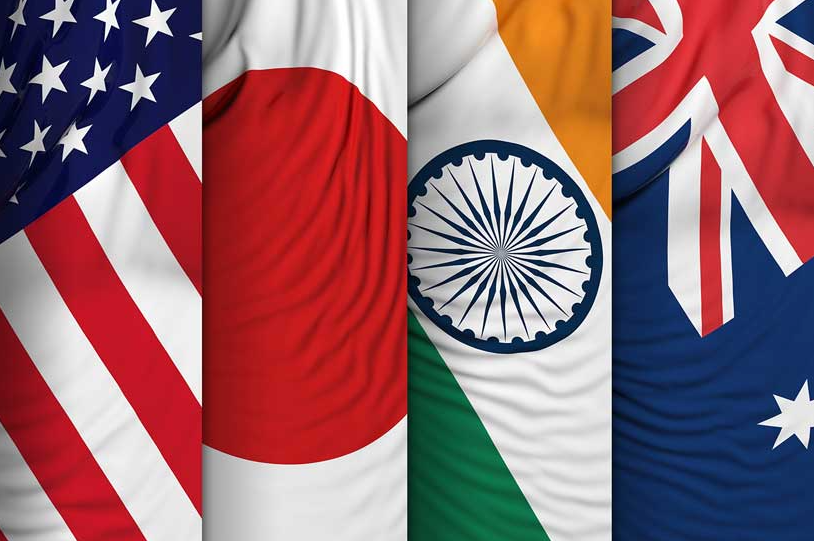
As the 2026 Quad Leaders’ Summit convenes in India, the grouping stands at a decisive inflection point. What began two decades ago as a modest humanitarian response has matured into a vital platform for shaping stability across the Indo-Pacific. At a time when maritime tensions, technological competition, and supply chain vulnerabilities are intensifying, the summit offers an opportunity to move from strategic dialogue toward concrete, institutionalised outcomes. This year’s agenda focuses on four core pillars: maritime and transnational security, economic prosperity and security, critical and emerging technologies, and humanitarian assistance and emergency response.
Against this backdrop, the following recommendations aim to sharpen the Quad’s edge, enhance regional resilience, and deliver tangible results that reinforce balance without provoking confrontation.
Suggestions for the Upcoming Quad Security Dialogue in India
Establish a Permanent Quad Indo-Pacific Maritime Coordination Centre
India should host a dedicated, permanent coordination hub, ideally in the Andaman and Nicobar Islands, to serve as the central nervous system for real-time maritime awareness. This centre would integrate AI-powered satellite data, shared intelligence feeds, and operational fusion capabilities, extending the existing Indo-Pacific Maritime Domain Awareness (IPMDA) initiative deeper into the Indian Ocean. Such a step would enable proactive monitoring of chokepoints and grey-zone activities, allowing faster responses to emerging threats.
Launch a Quad Critical Minerals Security Partnership
The Quad must create a formal partnership with joint investment vehicles to accelerate processing and refining facilities, particularly in Australia and India. This initiative would target lithium, rare earth elements, and cobalt, building diversified supply chains that reduce strategic dependence on any single actor. Coordinated investment and technology sharing would ensure secure, sustainable access to materials essential for defence systems, electric vehicles, and renewable energy infrastructure.
Create a Semiconductor Supply Chain Contingency Network
A robust contingency framework is needed to establish protocols for rapid rerouting of production and components during disruptions. By combining U.S. design expertise, Japanese manufacturing equipment, Indian production scale, and Australian resource inputs, this network would include strategic stockpiles and crisis protocols. It would safeguard against supply shocks while strengthening collective technological sovereignty in an increasingly contested domain.
Initiate a Quad Quantum and AI Governance Framework
The leaders should endorse common standards for secure AI deployment, quantum encryption, and responsible dual-use technology development. This would include launching joint research projects and ethical guidelines to stay ahead in next-generation capabilities. Such a framework would counter aggressive state-driven advances elsewhere while promoting interoperability among Quad militaries and industries.
Deepen Undersea Cable Resilience Initiative
Quad members must pool resources to develop dedicated cable-laying and repair fleets, diversify critical routes, and maintain a shared vulnerability database. This initiative would protect the digital backbone of global commerce and communications from both natural disasters and deliberate sabotage. Collaboration with select regional partners would further strengthen enforcement and rapid restoration capabilities.
Expand Quad-at-Sea Ship Observer Missions
Building on existing naval exercises, the Quad should institutionalise joint observer missions involving coast guards and navies, inviting participation from key ASEAN and Pacific Island nations. These missions would focus on countering grey-zone tactics, illegal fishing, and maritime law enforcement. This approach maintains flexibility while building practical interoperability and regional confidence.
Develop a Quad Energy Security and Power Equipment Resilience Pact
A dedicated pact should secure supply chains for critical power equipment, including transformers, grid components, and clean energy technologies. This would ensure uninterrupted support for high-demand sectors like AI data centres and advanced manufacturing. Joint procurement and diversification strategies would reduce vulnerabilities in energy infrastructure across the Indo-Pacific.
Institutionalize Quad-Plus Engagement
The Quad should formalise flexible “Quad-Plus” working groups that bring in middle powers such as Indonesia, Vietnam, and France on issue-specific topics. These groups would address maritime security, technology standards, and infrastructure without requiring full membership. This model preserves strategic autonomy for partners while expanding the Quad’s practical influence.
Launch a Quad Infrastructure Financing Mechanism
A new financing platform should prioritise high-standard, resilient infrastructure projects including ports, digital networks, and green energy initiatives across the Indian Ocean and Pacific regions. By offering transparent financing alternatives, the Quad can provide viable options that emphasise quality, sustainability, and local ownership.
Strengthen Cyber Defence and Critical Infrastructure Protection
Establish a dedicated coordination mechanism for real-time threat intelligence sharing, joint vulnerability assessments, and rapid response protocols. This body would focus on protecting critical infrastructure from state-sponsored cyber operations. Harmonised standards and regular exercises would significantly raise the cost of digital aggression in the region.
Advance Biotechnology and Health Security Resilience
The Quad should expand existing vaccine and health partnerships into a permanent Rapid Response Biotech Network capable of addressing future pandemics and biological threats. Joint R&D, regulatory alignment, and stockpiling mechanisms would enhance collective preparedness while supporting broader regional health security needs.
Set Up a Quad Technology Innovation Fund
A public-private fund should be capitalised to accelerate breakthroughs in quantum computing, advanced batteries, and secure telecommunications. Targeted investments would bridge research and commercialisation, ensuring the Quad maintains a competitive edge in defining future technological standards and reducing external dependencies.
Enhance Humanitarian Assistance and Disaster Relief (HADR) Coordination
Develop pre-positioned stockpiles, joint logistics protocols, and climate resilience projects specifically tailored for vulnerable island nations. This would build on the Quad’s original humanitarian roots while demonstrating tangible benefits to regional populations, thereby strengthening diplomatic goodwill and operational readiness.
Promote Joint Rare Earth and Critical Minerals Processing Hubs
India and Australia should lead the establishment of integrated processing facilities, supported by technology transfers from Japan and the United States. These hubs must incorporate high environmental standards to create competitive, sustainable alternatives that gradually diminish reliance on concentrated external supply chains.
Develop Integrated Maritime Domain Awareness Satellites
The Quad should pursue co-development of a dedicated satellite constellation focused on persistent monitoring of strategic waterways and exclusive economic zones. Shared data access and analytics capabilities would provide unprecedented maritime visibility and early warning against destabilising activities.
Formulate Common Principles on Economic Coercion Response
Leaders should agree on consultation mechanisms and support protocols to assist any member facing economic pressure campaigns. This would include trade diversification strategies and rapid response coordination, serving as a deterrent while reinforcing solidarity among partners.
Deepen Defence Industrial Cooperation
Prioritise co-production agreements for unmanned aerial and underwater systems, advanced anti-submarine technologies, and precision munitions. Aligning these efforts with India’s domestic manufacturing goals would create mutual industrial benefits and enhance collective defence capabilities.
Establish a Quad Supply Chain Crisis Response Network
Create an operational network for early warning, intelligence fusion, and alternative sourcing mechanisms covering semiconductors, critical minerals, and essential pharmaceuticals. This would enable swift collective action during disruptions, minimising economic and strategic shocks.
Expand Engagement with the Global South
The Quad must deliver concrete initiatives in digital public infrastructure, sustainable development, and capacity-building programs. Leveraging India’s unique position, these efforts would build broader legitimacy and demonstrate that the grouping offers practical benefits beyond security concerns.
Create an Annual Quad Strategic Futures Assessment
Institute a formal annual process involving senior officials to analyse long-term scenarios regarding technological shifts, multipolar dynamics, and regional security trends. This forward-looking mechanism would help the Quad remain proactive, adaptive, and strategically relevant over the coming decade.
The 2026 Quad Summit in India must mark a shift from ambition to implementation. By institutionalising practical mechanisms in maritime security, critical technologies, supply chain resilience, and inclusive partnerships, the grouping can strengthen Indo-Pacific equilibrium while respecting the strategic autonomy of its members and partners. Success will not be measured by joint statements alone, but by the quiet accumulation of capabilities that deter coercion, reduce vulnerabilities, and deliver real benefits to the wider region. In an era defined by grey-zone competition and technological races, a focused and agile Quad can help ensure that no single power shapes the future order uncontested. The coming years will reveal whether this platform can translate strategic convergence into enduring influence.