

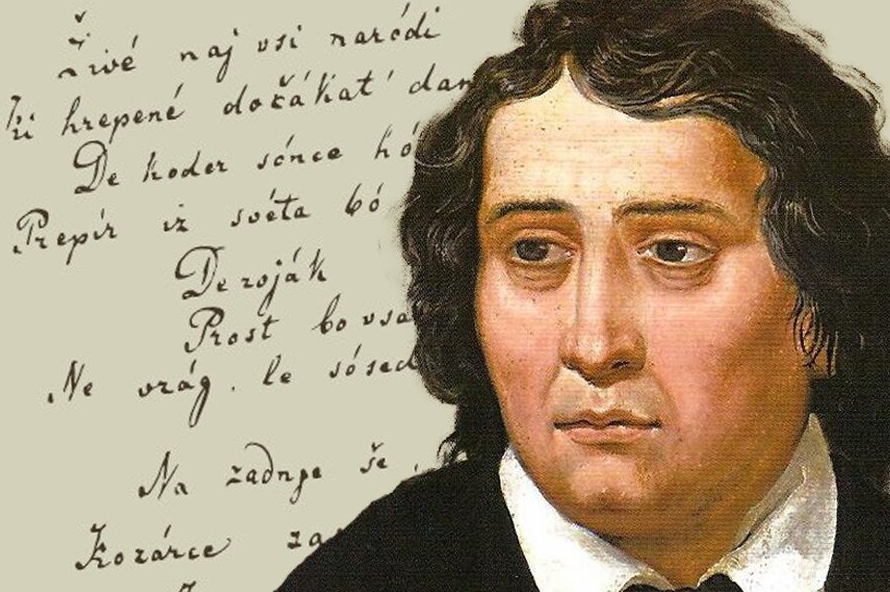
On February 8, 2026, Slovenia celebrates Prešeren Day (Prešernov dan) together with Slovenian Cultural Day (Prešernov dan in kulturni praznik), the country’s most important cultural holiday and a public holiday.
The date marks the death anniversary of France Prešeren (1800–1849), Slovenia’s greatest poet and the undisputed national poet. Prešeren died on February 8, 1849, in Kranj. His work — written mostly in the first half of the 19th century — gave literary form to the Slovenian language and national consciousness at a time when Slovenes lived under Habsburg (Austrian) rule and had limited cultural or political recognition. His most famous poem, “Zdravljica” (“A Toast”), became the text of the Slovenian national anthem in 1989 (with the seventh stanza adopted as the anthem).
Prešeren Day was first celebrated in 1905 (on the 56th anniversary of his death) and became an official national holiday after Slovenia’s independence in 1991. It is both a day to honor Prešeren’s legacy and the broadest celebration of Slovenian culture, literature, art, science, and creativity.
Significance in 2026:
- In 2026, Slovenia marks the 177th anniversary of Prešeren’s death and continues to celebrate the poet whose words helped shape a modern Slovenian identity.
- The day underscores the central role of culture in Slovenian nationhood — Prešeren is seen as the spiritual father of the Slovenian nation, and February 8 is a moment to reflect on language, literature, and artistic freedom as pillars of independence and self-awareness.
- It is also a joyful affirmation of Slovenia’s rich cultural scene — from poetry and music to visual arts, film, theater, and heritage preservation.
Celebrations and Observances:
- Highest national awards: The most prestigious event is the awarding of the Prešeren Awards (Prešernove nagrade) and Prešeren Fund Awards at a formal ceremony in the Cankar Hall (Cankarjev dom) in Ljubljana or the Prešeren Theatre in Kranj. The Prešeren Award is Slovenia’s highest recognition for artistic achievement (lifetime or major work), presented by the President of the Republic.
- Cultural programs: Across the country, theaters, galleries, museums, and libraries organize special exhibitions, concerts, poetry readings, and performances. In Ljubljana, Kranj (where Prešeren lived and died), and Vrba (his birthplace), events are especially prominent.
- Flag-flying and public events: The Slovenian flag is flown on all public buildings. Many towns and villages hold cultural evenings, literary readings, and concerts featuring Prešeren’s poems set to music (especially France Prešeren’s “Zdravljica”).
- School and youth activities: Schools across Slovenia hold assemblies with readings of Prešeren’s poetry, discussions of his life, and creative projects inspired by his work.
- Media and public tributes: National television (TV Slovenija) and radio broadcast special programs; newspapers publish essays and poems; social media fills with quotes from Prešeren and photos of his busts and memorials.
Prešeren Day is a public holiday in Slovenia — government offices, schools, banks, and most businesses close — allowing people to attend cultural events, visit museums (often free or discounted), or simply enjoy a day of national pride and reflection.
A line from “Zdravljica” that many Slovenes know by heart: “Žive naj vsi narodi, ki hrepenijo k soncu!” (“Let all nations live who long for the sun!”)
On February 8, Slovenia raises its flag, reads Prešeren’s verses, and celebrates the enduring power of language, culture, and the human spirit. 🇸🇮