

Pakistan’s emerging strategic camp is no longer limited to Saudi Arabia and Turkey alone. Increasingly, countries such as Iran, Qatar and even Azerbaijan are becoming part of a broader regional alignment in which Islamabad is positioning itself as a central military and diplomatic player. Reports and regional discussions around expanding defence coordination between Pakistan, Saudi Arabia and Turkey have intensified in recent months, while Pakistan has simultaneously deepened its mediation role in the Iran crisis and expanded military diplomacy across the Gulf and Central Asia. Pakistan is increasingly presenting itself as a bridge between rival power centres rather than as a state locked into one rigid bloc.
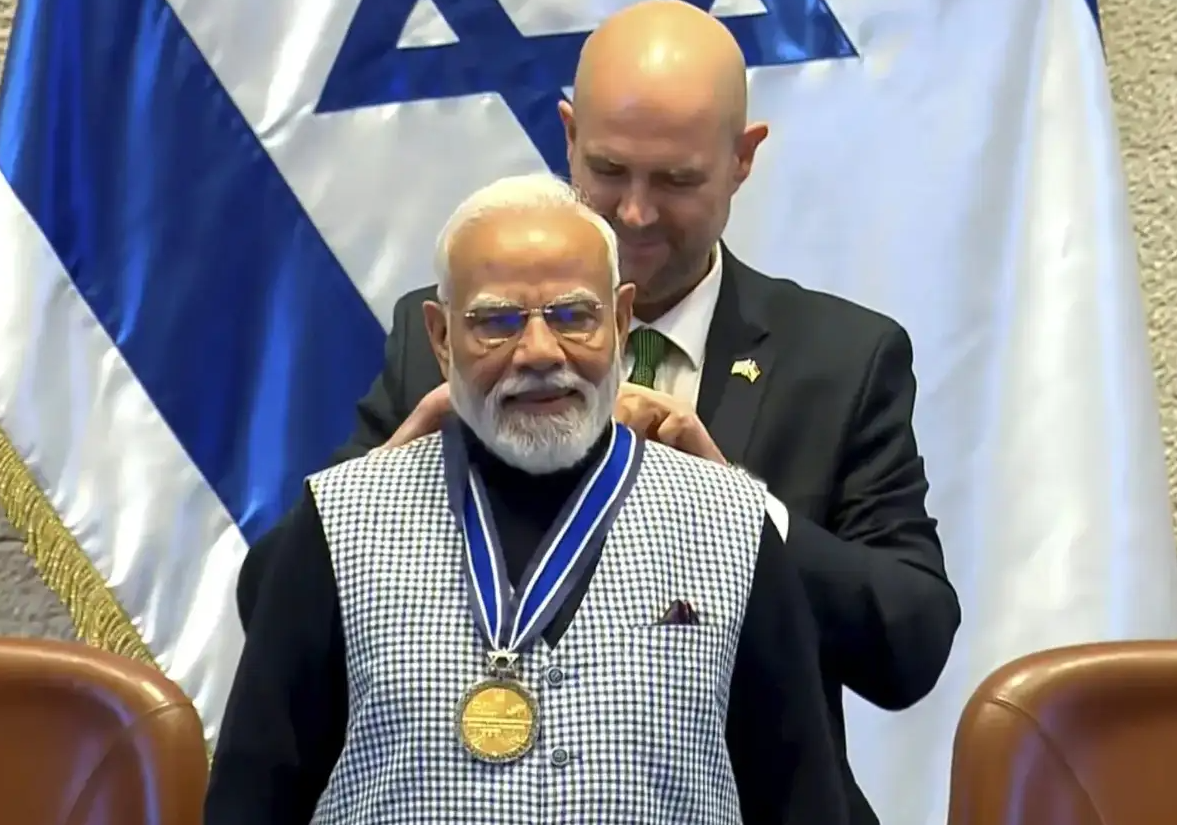
What makes this more alarming for India is that New Delhi appears to be isolating itself diplomatically at the very moment regional powers are reorganising into new security structures. Under Narendra Modi, India abandoned much of its traditional balancing doctrine in West Asia and increasingly projected itself as openly aligned with Israel, even as outrage spread across large parts of the Global South and Islamic world over what many countries, activists and international observers have described as genocide in Gaza. The perception across much of West Asia is no longer that India is maintaining neutrality, but that it has politically and diplomatically tilted toward one side of a devastating regional conflict.
At the same time, Pakistan has carefully avoided shutting doors with any major power. It retains deep strategic integration with China, has restored working channels with the United States, expanded defence and energy ties with Russia and strengthened military coordination with Gulf monarchies. Islamabad is now simultaneously engaging Washington, Beijing, Moscow, Tehran, Ankara and Riyadh without fully alienating any of them. That is strategic balancing. India, by contrast, increasingly appears trapped in ideological signalling and domestic political optics rather than long term geopolitical calculation.
The long term consequences of this shift may eventually fall on India’s defence establishment. Strategic overexposure always carries costs. When a country is increasingly perceived as supporting military campaigns widely condemned across large parts of the Muslim world, including the destruction and alleged genocide in Gaza and aggressive rhetoric surrounding Iran’s leadership, it naturally narrows its diplomatic flexibility. Foreign policy cannot survive on emotional alignment or media narratives alone. Nations survive through balance, ambiguity and leverage. India historically mastered that art for decades. The danger today is that New Delhi is slowly sacrificing that strategic inheritance in exchange for short term political applause and ideological positioning. If a broader regional bloc consolidates around Pakistan while India becomes increasingly isolated across sections of West Asia, the burden will ultimately be carried not by politicians or television studios, but by Indian soldiers, sailors and pilots facing a far more hostile strategic environment in the years ahead.