

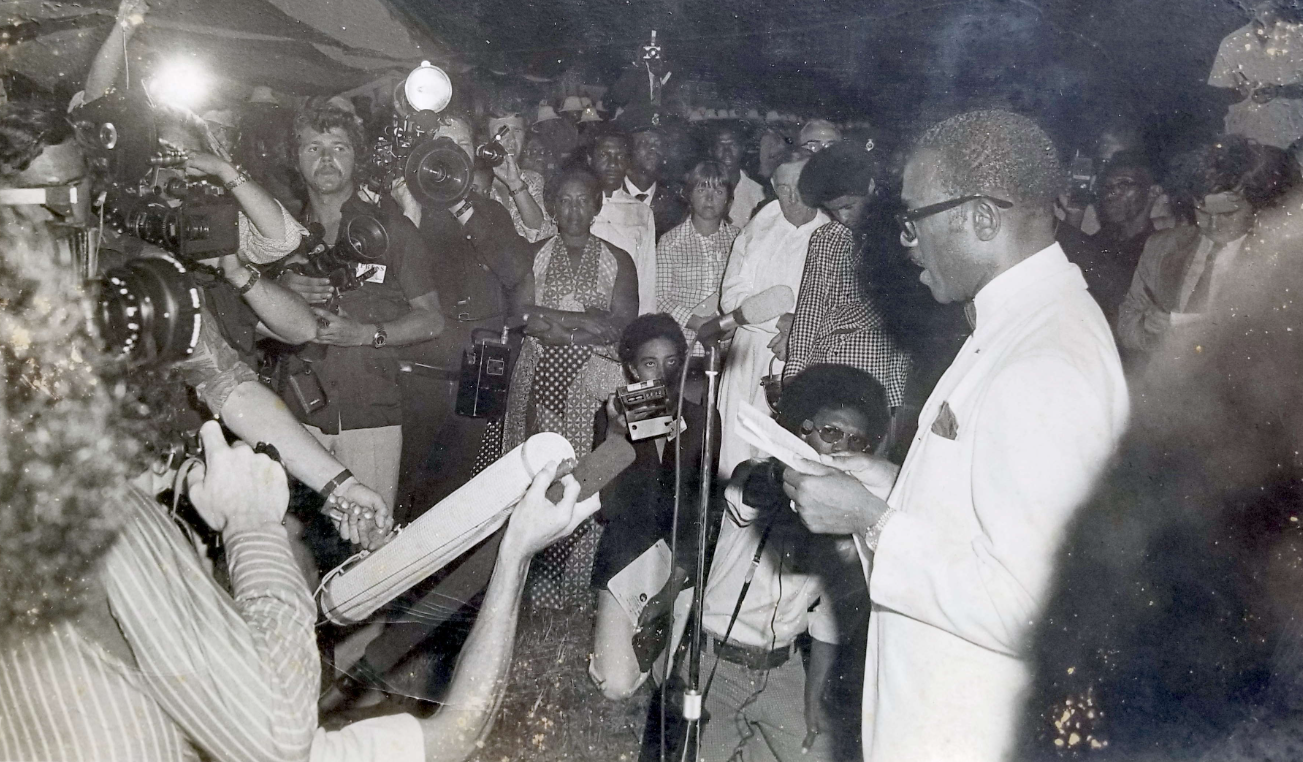
On February 7, 2026, Grenada joyfully celebrates Independence Day (National Day), marking the 52nd anniversary of the island nation’s full independence from the United Kingdom on February 7, 1974.
At midnight on that date in 1974, the Union Jack was lowered at Queen’s Park in St. George’s, and the Grenada flag — with its red border symbolizing courage, gold for wisdom and warmth, green for vegetation, yellow stars for the parishes, and the nutmeg in the center for the “Isle of Spice” — was raised for the first time. Sir Eric Matthew Gairy, the first Prime Minister, declared Grenada a sovereign state within the Commonwealth, ending 200 years of British colonial rule (following centuries of French control before that).
Independence Day is Grenada’s most important national holiday — a vibrant celebration of self-determination, cultural pride, and the resilience of a small island nation that has overcome colonialism, political turmoil (including the 1983 revolution and U.S. intervention), and natural disasters to build a peaceful, democratic society.
Significance in 2026:
- 2026 marks 52 years of independence, a milestone that reflects Grenada’s journey from a plantation economy to a tourism- and agriculture-driven nation, with nutmeg, cocoa, and spices still central to its identity.
- The day celebrates Grenada’s multicultural heritage — African, French, British, East Indian, and indigenous influences — and its commitment to democracy, education, and Caribbean integration (as a member of CARICOM and the OECS).
- It is also a time to reflect on the challenges overcome and the ongoing work to strengthen the economy, protect the environment, and ensure opportunities for all citizens.
Celebrations and Observances:
- National Parade: The highlight is the grand parade at Queen’s Park in St. George’s (or the National Stadium), attended by the Governor-General, Prime Minister, opposition leaders, military, police, fire service, cadet corps, and school groups. The parade features marching bands, cultural troupes, floats representing parishes and ministries, and a flypast if weather permits.
- Flag-raising and speeches: The Prime Minister delivers the national address, often focusing on unity, development, and gratitude to the founding leaders (especially Sir Eric Gairy and Sir Paul Scoon). The national anthem (“Hail Grenada”) and patriotic songs are sung.
- Cultural festivities: Street parades, steelpan music, calypso performances, traditional dances (like the quadrille and bele), and food fairs featuring Grenadian specialties — oil down, callaloo, nutmeg ice cream, cocoa tea, and fresh seafood.
- Nationwide events: Similar smaller parades and cultural shows take place in Carriacou, Petite Martinique, and parish capitals. Schools hold special assemblies with flag-raising and speeches; churches offer interdenominational services.
- Public holiday activities: As a public holiday, government offices, banks, and most schools close. Families enjoy beach days, barbecues, and community gatherings; fireworks light up the night in many areas.
Independence Day is Grenada’s biggest national celebration — full of color, music, pride, and reflection on the journey from colony to independent nation.
A common greeting on this day: “Happy Independence Day, Grenada! Long live the Spice Isle!”
On February 7, the tri-island state raises its flag high, dances to soca and calypso, and celebrates the freedom and future it has earned. 🇬🇩