

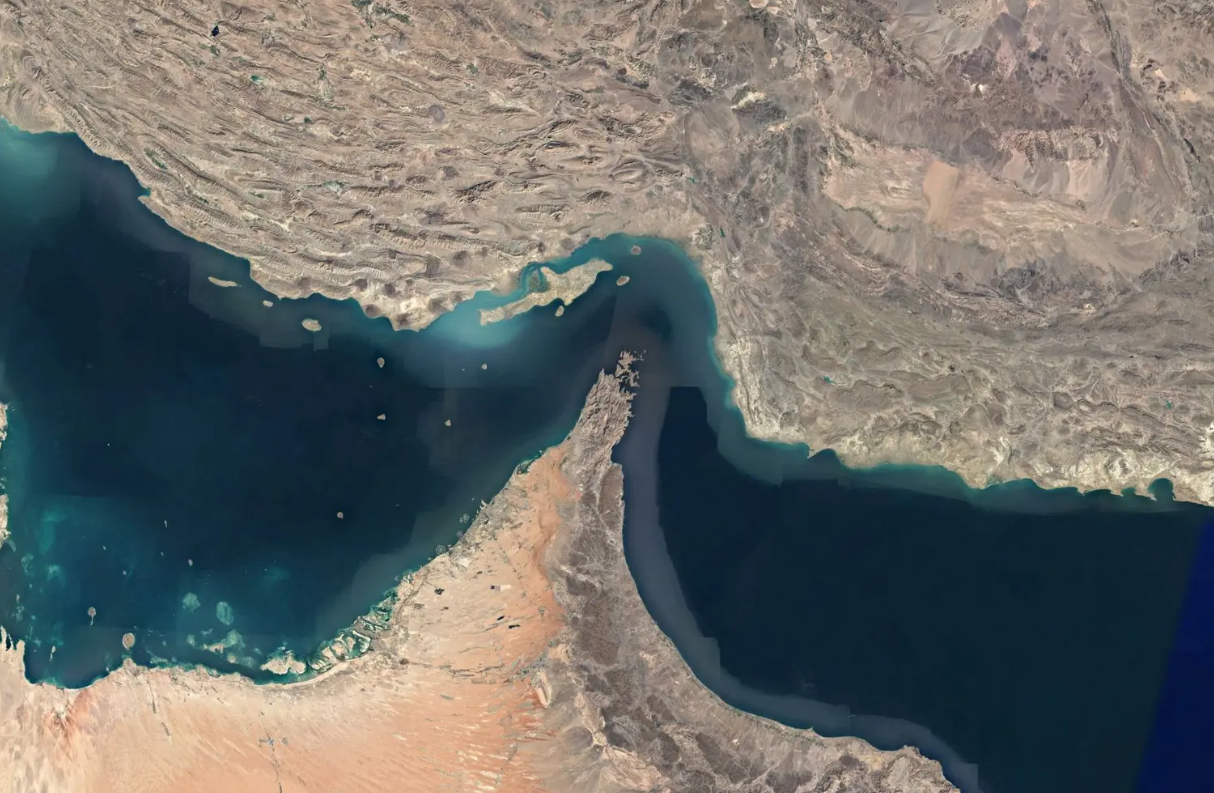
The latest round of diplomacy between the United States and Iran has once again exposed the central contradiction at the heart of the conflict. Washington wants a rapid de-escalation focused on reopening the Strait of Hormuz and containing Iran’s strategic capabilities. Tehran wants a broader political settlement that addresses sanctions, sovereignty, regional warfare and long term security guarantees. Both sides are technically discussing peace, but they are still negotiating from entirely different definitions of what peace actually means.
According to reports from Reuters, Axios and Iranian state-linked media, the latest American proposal was designed as a phased framework aimed at freezing the conflict before moving into negotiations over more controversial issues such as Iran’s nuclear programme, maritime security and regional proxy networks.
Iran’s response, however, made it clear that Tehran no longer sees the war purely through the nuclear lens. Iranian officials instead framed the crisis as a wider regional confrontation involving Lebanon, the Persian Gulf, sanctions warfare and maritime sovereignty. President Donald Trump rejected Tehran’s reply within hours, calling it “totally unacceptable”, triggering another sharp surge in global oil prices as markets feared the Strait of Hormuz could remain paralysed for an extended period.
The reaction from energy markets revealed the deeper reality. The war is no longer only a military or diplomatic confrontation. It has become a global economic pressure point. Roughly one fifth of the world’s oil and liquefied natural gas flows normally pass through the Strait of Hormuz. Even partial disruption has already pushed Brent crude back above psychologically critical levels near $100 per barrel. Analysts quoted by Reuters described the oil market as operating like a “geopolitical headline machine”, swinging violently with every statement from Washington or Tehran.
What makes the current situation particularly dangerous is that both sides now appear to recognise the costs of escalation, yet neither side wants to appear politically weak by conceding first. That is why the current diplomacy increasingly resembles strategic bargaining under pressure rather than genuine reconciliation.
Based on reports from Reuters, Axios, Iranian state television, Tasnim News Agency and regional diplomatic sources, the core positions of both sides can broadly be summarised as follows.
Key Points in the Iranian Proposal
• Immediate end to the war on all fronts, including Lebanon and regional theatres involving Hezbollah.
• End of the American naval blockade and guarantees against future attacks on Iranian territory.
• Recognition of Iranian sovereignty over the Strait of Hormuz and acceptance of Iran’s role in regulating maritime security there.
• Gradual lifting of U.S. sanctions and restoration of Iranian oil exports.
• Release of frozen Iranian financial assets and compensation for war related damage.
• No immediate negotiations over dismantling Iran’s missile programme or its regional alliances before a broader ceasefire framework is secured.
• Preservation of Iran’s right to civilian nuclear enrichment under the Nuclear Non Proliferation Treaty framework. This position has also been reinforced repeatedly by Iranian officials and analysts cited in recent negotiations coverage.
Key Points in the U.S. Proposal
• Immediate de-escalation and restoration of commercial navigation through the Strait of Hormuz.
• Opening phased negotiations over Iran’s nuclear programme, enrichment levels and stockpile management.
• Prevention of Iran from acquiring nuclear weapons capability while preserving regional stability.
• Reduction of military escalation involving Iranian aligned groups across the region, especially in Lebanon and the Gulf.
• Potential phased sanctions relief tied to verifiable commitments from Tehran.
• International guarantees for maritime transit and energy security through Hormuz.
• Longer term negotiations over missile capabilities and regional security architecture.
The problem is not that the two sides lack overlapping interests. The problem is sequencing. Washington wants security concessions first and political rewards later. Tehran wants recognition, sanctions relief and war termination first before discussing strategic limitations. That sequencing gap is now the single biggest obstacle to a deal.
Still, despite the public hostility, there are emerging areas where both sides quietly appear to recognise mutual interests.
Possible Areas of Engagement and Common Ground
• A phased reopening of the Strait of Hormuz under a monitored international maritime mechanism involving Gulf states, China and neutral observers.
• Limited sanctions relief tied to verifiable reductions in military escalation rather than immediate maximalist nuclear demands.
• Recognition of Iran’s right to peaceful civilian nuclear enrichment within internationally monitored limits similar to earlier frameworks under the 2015 nuclear agreement.
• A regional de-escalation arrangement covering Lebanon, Iraq, Syria and Gulf waters simultaneously instead of treating each theatre separately.
• Gradual release of frozen Iranian assets in exchange for maritime guarantees and prisoner exchanges.
• Establishment of a direct military deconfliction channel between Iran, the United States and Gulf states to avoid accidental escalation in Hormuz.
• Chinese and Pakistani mediation roles as stabilising intermediaries acceptable to both sides. Reports indicate both Beijing and Islamabad remain actively involved in backchannel diplomacy.
• A broader security dialogue that allows both sides to claim partial victory domestically without appearing strategically defeated.
The regional context also matters. Israeli Prime Minister Benjamin Netanyahu has continued insisting that the conflict cannot fully end unless Iran’s enrichment infrastructure, proxy capabilities and missile programmes are addressed. Yet even Netanyahu recently acknowledged in a CBS interview that diplomacy remains the preferable method for dealing with Iran’s enriched uranium stockpile, despite refusing to rule out force.
Meanwhile, Gulf states that initially supported pressure on Tehran are increasingly alarmed by the economic consequences of prolonged instability. Drone incidents involving the United Arab Emirates, Qatar and Kuwait have reinforced fears that the war could spill across the wider Gulf region if negotiations collapse completely.
Domestically, Trump also faces political pressure. Rising fuel prices ahead of congressional elections have made the conflict increasingly unpopular among American voters. Surveys cited in recent reporting show growing frustration inside the United States over the economic consequences of the Hormuz crisis.
At the same time, Iran’s leadership is equally aware that prolonged war and economic isolation carry enormous risks for domestic stability. President Masoud Pezeshkian has publicly declared that Iran “will never bow down”, but Tehran’s willingness to remain engaged through mediators suggests it is still searching for a negotiated off ramp rather than unlimited escalation.
The most realistic path forward is unlikely to come through total victory for either side. Washington will not fully dismantle Iran’s strategic infrastructure without triggering a wider regional catastrophe. Iran, meanwhile, cannot indefinitely weaponise the Strait of Hormuz without damaging its own long term economic survival and relations with key partners such as China and India.
A sustainable agreement will therefore require a mutually beneficial understanding rather than unilateral surrender. The United States will need to accept that Iran cannot be negotiated with solely through military pressure. Iran will need to recognise that permanent instability in Hormuz ultimately weakens its own strategic position. The future of the Gulf may now depend not on which side can dominate the region militarily, but on whether both sides can build a framework where security, trade and sovereignty are balanced rather than weaponised.