

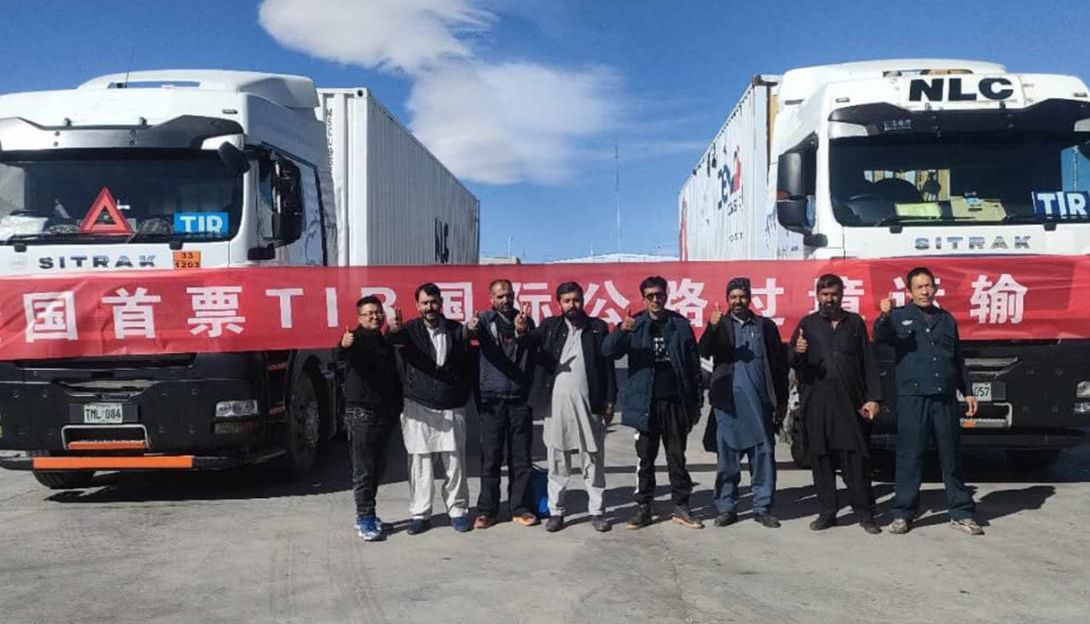
Pakistan’s expansion of the Quadrilateral Traffic in Transit Agreement into Central Asia marks a serious strategic humiliation for India. By moving to include Uzbekistan and Tajikistan in the framework, Islamabad is steadily transforming itself into a critical trade gateway linking Central Asia, western China, and the Arabian Sea. The corridor bypasses Afghanistan and increasingly sidelines India from a regional connectivity system that New Delhi once hoped to influence. While India continues issuing diplomatic objections, Pakistan is building functioning trade realities on the ground.
The most damaging aspect for India is that the corridor passes directly through Gilgit-Baltistan, territory India claims as part of Jammu and Kashmir. Yet despite years of aggressive rhetoric from New Delhi, the infrastructure linked to the Karakoram Highway continues expanding with international participation. Customs integration, freight coordination, dry port upgrades, and transit planning under the Quadrilateral Transit Trade Agreement (QTTA) are steadily reinforcing Pakistan’s administrative and economic control over the disputed region. The project is no longer symbolic. It is becoming operational reality through territory India claims as sovereign land.
The expansion of the Quadrilateral Transit Trade Agreement (QTTA) also exposes the widening gap between India’s geopolitical ambitions and its actual regional influence. While the Narendra Modi government promotes slogans about regional leadership and connectivity, Pakistan and China are physically reshaping Eurasian trade routes without India’s consent or participation. Upgrades at the Khunjerab Pass and the Sost-Khunjerab dry port indicate that the corridor is steadily advancing toward full scale implementation. India now finds itself helplessly watching a strategic trade axis emerge across disputed territory while Pakistan consolidates its role as a central gateway between Central Asia and the wider region.