

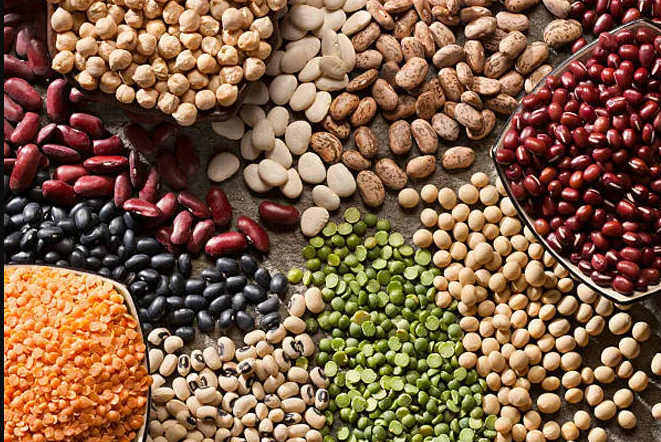
On February 10, 2026 the world observes World Pulses Day, an annual United Nations-designated day dedicated to highlighting the nutritional, environmental, and economic benefits of pulses — the edible seeds of leguminous plants such as beans, lentils, chickpeas, peas, and pigeon peas.
The United Nations General Assembly proclaimed February 10 as World Pulses Day in December 2018 (resolution 73/251), following the success of the International Year of Pulses in 2016. The date was chosen to create a permanent annual platform for raising global awareness about pulses and encouraging their production and consumption.
Pulses are a powerhouse food: they are rich in plant-based protein, fiber, iron, potassium, folate, and other micronutrients, while being low in fat and having a low glycemic index. They play a critical role in food security, sustainable agriculture (fixing nitrogen in the soil, reducing fertilizer needs), climate resilience (low water and carbon footprint compared to many animal proteins), and healthy diets. The theme for the ongoing campaign remains “Pulses: nutritious seeds for a sustainable future”, emphasizing their contribution to the Sustainable Development Goals (especially SDG 2: Zero Hunger, SDG 3: Good Health, SDG 13: Climate Action, and SDG 15: Life on Land).
Significance in 2026:
- Pulses help combat malnutrition (especially in low-income countries), reduce dependency on expensive animal proteins, and support smallholder farmers (who produce ~75% of the world’s pulses).
- With global food prices fluctuating and climate change affecting staple crops, pulses offer a resilient, affordable, and eco-friendly solution.
- The day calls for increased investment in pulse research, better seed varieties, improved storage, and policies that promote pulses in school meals, public procurement, and dietary guidelines.
Observances and Activities:
- FAO and UN events: The Food and Agriculture Organization (FAO) leads the global celebration with virtual webinars, reports, and messages from the Director-General. In 2026 the focus is expected to include youth engagement and pulses in school feeding programs.
- National and local events: Governments, agricultural ministries, farmer cooperatives, and NGOs organize cooking demonstrations, pulse recipe contests, field days, seed fairs, and nutrition workshops. In pulse-producing countries (India, Canada, Australia, Myanmar, Brazil, Ethiopia, Tanzania) there are often large public events.
- School and community programs: Many schools hold tasting sessions, lessons on the nitrogen cycle and soil health, and art competitions with the theme “Pulses for a Healthy Planet.”
- Private sector involvement: Food companies, supermarkets, and restaurants promote pulse-based dishes (hummus, dal, falafel, lentil soups, bean burgers, chickpea salads) with special offers or recipe cards.
- Social media campaigns: #WorldPulsesDay trends with photos of colorful pulse dishes, facts (e.g., “1 cup of lentils provides more protein than 3 eggs”), and personal stories of how pulses support healthy eating or family budgets.
- Symbolic acts: People are encouraged to “eat pulses today,” share a pulse recipe, or pledge to include more pulses in their weekly meals.
World Pulses Day is not a public holiday anywhere but a joyful, practical awareness day — a reminder that humble, affordable pulses can play a big role in feeding the world sustainably.
A key message from the FAO: “Pulses are nutritious, affordable, and good for the planet — let’s put them on every plate.”
On February 10, the world celebrates the tiny but mighty seeds that nourish people, enrich soils, and help build a more sustainable food future.