

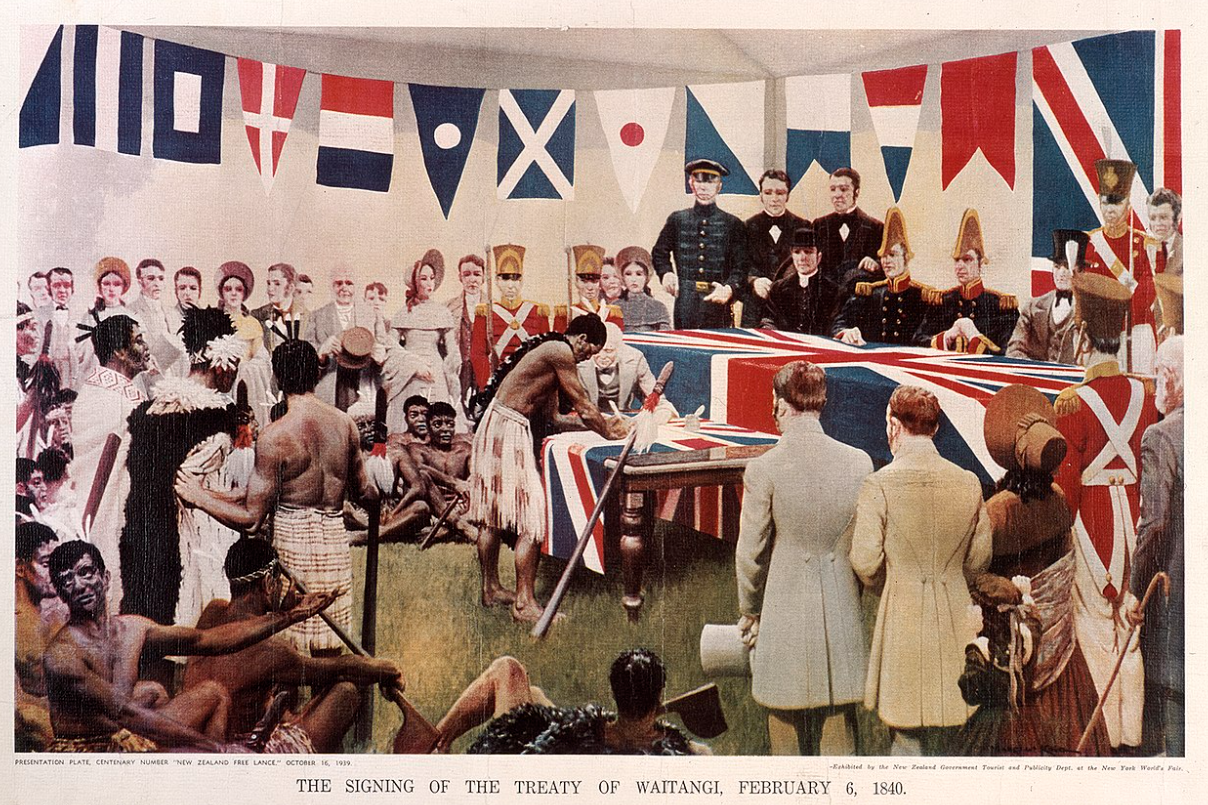
On February 6, 2026, New Zealand observes Waitangi Day, the country’s official national day, commemorating the signing of the Treaty of Waitangi (Te Tiriti o Waitangi) on February 6, 1840, at Waitangi in the Bay of Islands.
This treaty between representatives of the British Crown and over 500 Māori chiefs (rangatira) is considered the founding document of New Zealand as a nation. It established British sovereignty while promising Māori chiefs protection of their lands, forests, fisheries, and taonga (treasures), and the rights of British subjects. Two versions exist: the Māori-language Te Tiriti (signed by most chiefs) and the English-language Treaty. Differences in translation and interpretation have led to ongoing debates about sovereignty, partnership, and rights — issues that remain central to New Zealand’s identity today.
Waitangi Day is both a celebration of nationhood and a day of reflection on the treaty’s promises, breaches, and ongoing efforts toward partnership and reconciliation.
Significance in 2026:
- In 2026, New Zealand marks the 186th anniversary of the treaty signing — a milestone that underscores the country’s bicultural foundation and the journey toward honouring Te Tiriti in modern governance.
- The day highlights the principles of partnership, protection, and participation between Māori and the Crown, as well as the work of the Waitangi Tribunal (established 1975) to address historical grievances.
- It is a moment to celebrate New Zealand’s multicultural society while acknowledging that for many Māori, February 6 is also a day of protest and remembrance of unfulfilled treaty promises.
Celebrations and Observances:
- Official national ceremony at Waitangi: The focal point is the Treaty Grounds in the Bay of Islands, where the Governor-General, Prime Minister, Māori leaders, and thousands gather. The day includes a dawn blessing, speeches, cultural performances (kapa haka), waka (canoe) arrivals, and the raising of the New Zealand flag alongside the Tino Rangatiratanga (Māori sovereignty) flag. The Prime Minister delivers a keynote address.
- Protests and alternative observances: Many Māori and activists hold protests (often called “Waitangi Day hīkoi” or demonstrations) at Waitangi or in other cities, calling for treaty justice, land return, and constitutional recognition of Māori rights. These events are peaceful but passionate expressions of ongoing aspirations.
- Nationwide events: Across the country, communities host citizenship ceremonies (new Kiwis swear allegiance), cultural festivals, concerts, sports tournaments, and family gatherings. Major cities like Auckland, Wellington, and Christchurch hold civic events, markets, and fireworks.
- Public holiday activities: As a public holiday, most government offices, schools, and businesses close. Many New Zealanders enjoy barbecues, beach days, picnics, or travel — the unofficial start of the summer holiday season for some.
- Symbolic acts: The national flag flies everywhere; schools often hold assemblies with the national anthem and treaty readings; media broadcasts live from Waitangi and historical documentaries.
Waitangi Day is a restricted public holiday — a day off for most people — blending celebration, reflection, and sometimes tension, reflecting New Zealand’s complex but hopeful journey as a bicultural nation.
A phrase often heard: “Honour the Treaty – Honour the Partnership.”
On February 6, New Zealand remembers the signing at Waitangi — a promise of partnership — and continues working toward a future where that promise is fully realised. 🇳🇿