

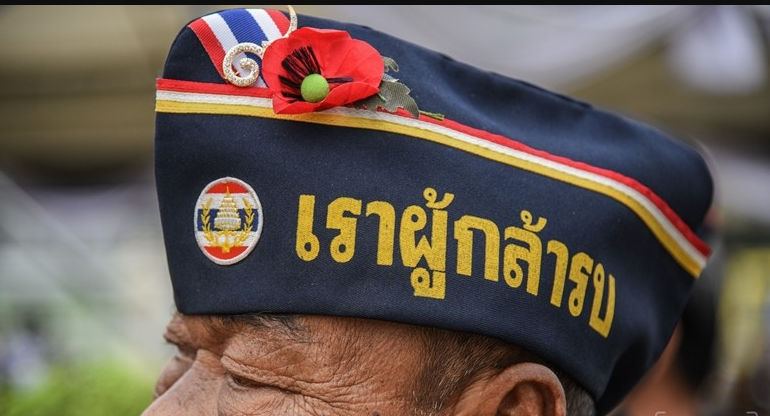
On February 3, 2026, Thailand observes Veterans’ Day (วันทหารผ่านศึก), a national day of respect and gratitude dedicated to honoring all Thai veterans — those who have served in the Royal Thai Armed Forces and sacrificed for the nation’s security, independence, and sovereignty.
The date was chosen to commemorate February 3, 1918, when King Vajiravudh (Rama VI) established the Veterans’ Organization of Thailand (originally called the “Soldiers’ Club”) to support and care for retired and disabled soldiers. This marked the formal beginning of organized recognition and welfare for veterans in the kingdom. Veterans’ Day was officially designated as a national observance in 1950 and has since become a day to express appreciation for military service across all branches — Army, Navy, Air Force, and Police.
Thailand has a long tradition of military service and national defense, from ancient Ayutthaya and Rattanakosin eras through World War II, the Cold War, and regional conflicts. Veterans’ Day pays tribute to all who wore the uniform — from those who fought in border skirmishes and peacekeeping missions to those who served during the Vietnam War era or in domestic security operations.
Significance in 2026:
- In 2026, Thailand marks the 108th anniversary of the founding of the veterans’ organization, reflecting on the enduring bond between the nation and its soldiers.
- The day highlights the welfare programs, healthcare, and support provided to veterans and their families through the Veterans’ Organization of Thailand and the Ministry of Defence.
- It reinforces national values of loyalty, sacrifice, and gratitude to those who defended the monarchy, religion, and people — core pillars of Thai identity.
Celebrations and Observances:
- Main ceremony in Bangkok: The central event is held at the Victory Monument or the Veterans’ Organization Headquarters, attended by the King (or his representative), the Prime Minister, Defence Minister, Supreme Commander, and senior military leaders. The program includes wreath-laying, a moment of silence, speeches, and the presentation of medals or certificates to outstanding veterans.
- Nationwide tributes: Similar ceremonies take place at provincial veterans’ halls, military bases, and temples; veterans’ associations organize gatherings, merit-making ceremonies (offering alms to monks), and prayers for fallen comrades.
- Royal and official recognition: The King often grants royal decorations or messages of appreciation; the government announces welfare benefits, pensions, or special assistance for veterans.
- Community activities: Schools and youth groups visit veterans’ homes to listen to stories, present flowers, or perform cultural shows; media broadcasts documentaries on famous battles, veteran interviews, and historical footage.
- Symbolic acts: The national flag and military flags fly prominently; many Thais wear pins or ribbons in support of veterans; temples hold chanting ceremonies for the souls of fallen soldiers.
Veterans’ Day is not a restricted public holiday (schools and offices generally remain open), but it is observed with deep respect and national pride — a day when Thailand says thank you to those who served.
A common greeting on this day: “ขอบคุณทหารผ่านศึกทุกท่าน” (“Thank you to all our veterans.”)
On February 3, Thailand bows its head in gratitude to its veterans — the silent guardians whose courage and service have protected the nation for generations. 🇹🇭