

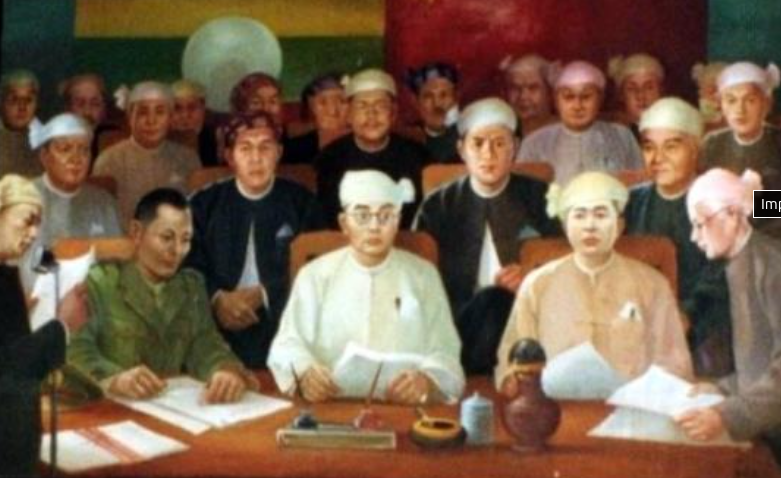
On February 12, 2026, Myanmar observes Union Day (ပြည်ထောင်စုနေ့ / Pyidaungsu Nay), one of the country’s most significant national holidays, commemorating the signing of the Panglong Agreement on February 12, 1947.
The Panglong Agreement was a historic pact signed in the town of Panglong (Shan State) between General Aung San (leader of the Anti-Fascist People’s Freedom League and independence hero) and representatives of the Shan, Kachin, and Chin ethnic nationalities. It promised ethnic groups autonomy, the right to secession after 10 years if they chose, and equal partnership in building a federal Union of Burma (now Myanmar). This agreement laid the groundwork for the country’s independence from British colonial rule on January 4, 1948, and symbolized the aspiration for a united, multi-ethnic nation.
Union Day celebrates this spirit of unity, mutual respect, and cooperation among Myanmar’s diverse ethnic groups — Bamar (Burman), Shan, Karen, Rakhine, Mon, Chin, Kachin, Kayah, Kayin, and others — while reflecting on the ongoing challenges to achieving genuine federalism and peace.
Significance in 2026:
- In 2026, Myanmar marks the 79th anniversary of the Panglong Agreement — a poignant moment amid the country’s prolonged political and humanitarian crisis following the 2021 military coup.
- The day originally symbolized hope for a federal democratic union but has become a complex and contested commemoration. For many ethnic nationality groups and pro-democracy forces, it is a reminder of unfulfilled promises of equality and autonomy; for the military government, it is framed as a celebration of national unity under central authority.
- It underscores the enduring aspiration for peace, inclusive dialogue, and a genuine federal system that respects ethnic rights and diversity.
Celebrations and Observances:
- Official government events: In Naypyidaw and Yangon, the military-led State Administration Council organizes flag-raising ceremonies, speeches, military parades, and cultural performances emphasizing “national unity” and loyalty to the state. State media (Myanmar Alin, MRTV) broadcast live coverage, patriotic songs, and messages from the leadership.
- Ethnic nationality observances: In many ethnic areas (Kachin, Shan, Karen, Chin, Kayah, Rakhine, Mon, and others), communities hold their own quiet or alternative commemorations — often focusing on the original spirit of Panglong, self-determination, and peace. Some groups mark the day with prayers, traditional dances, or discussions on federalism.
- Public and diaspora activities: In exile communities (Thailand, India, Malaysia, Europe, U.S.), pro-democracy groups, ethnic organizations, and civil society hold virtual events, webinars, poetry readings, and vigils calling for genuine peace and federal democracy. Social media campaigns (#UnionDay, #PanglongSpirit) share historical photos, quotes from Aung San, and messages of hope for reconciliation.
- Symbolic acts: The national flag (with its yellow, green, red stripes and white star) is flown; in some areas, ethnic flags are displayed alongside or instead. Traditional foods, music, and attire feature in community gatherings.
Union Day is a public holiday in Myanmar — government offices, banks, and many schools close — though celebrations vary greatly depending on region, political affiliation, and local context. In conflict-affected areas, observances may be subdued or symbolic due to security concerns.
A phrase often associated with the day: “Unity in diversity” — reflecting the original Panglong promise of equality and partnership among Myanmar’s ethnic nationalities.
On February 12, Myanmar remembers the vision of unity forged in 1947 — and the ongoing struggle to make that vision a reality for all its peoples. 🇲🇲