

In remarks delivered from the Oval Office on Tuesday, President Donald Trump signaled that American military involvement in Iran could wrap up within the next two or three weeks, with or without any formal agreement. He made it clear the United States would have “nothing to do” with reopening the Strait of Hormuz and bluntly told allies they’d have to “go get your own oil” if they wanted it.
He also downplayed the fighting, saying Iran “isn’t putting up a good fight” and “they’re not even shooting at us.” And in a notable shift, Trump stated outright that regime change in Tehran “was not one of the things I had as a goal.”
Taken together, these comments paint a picture that feels less like a decisive American win and more like a quiet acknowledgment that the campaign has run its course on terms far more limited than many expected when strikes began in late February.
The Strait of Hormuz has been the central flashpoint. Roughly one-fifth of the world’s oil supply normally flows through that narrow waterway, and Iran’s decision to effectively shut it down in response to the attacks sent energy prices spiking and rattled global markets. For weeks, the administration talked tough about reopening it, with threats of further strikes on Iranian infrastructure if Tehran didn’t comply.
Now Trump is washing his hands of the issue. “We have nothing to do with that,” he said, suggesting other countries should handle security themselves. That is a sharp departure from decades of U.S. policy, where keeping the Gulf’s shipping lanes open has been seen as a core national interest. Handing that responsibility off especially while the strait remains contested undercuts the idea that Washington achieved its strategic aims.
The timeline adds to the sense of winding down. After roughly a month of operations, Trump is talking about leaving “very soon,” whether Iran agrees to anything or not. The stated objective was always limited: preventing Iran from developing a nuclear weapon. Even there, the president framed success in temporary terms, saying the strikes would set the program back 15 to 20 years effectively putting Iran “into the stone ages” for a while, in his words, but not eliminating the long-term threat.
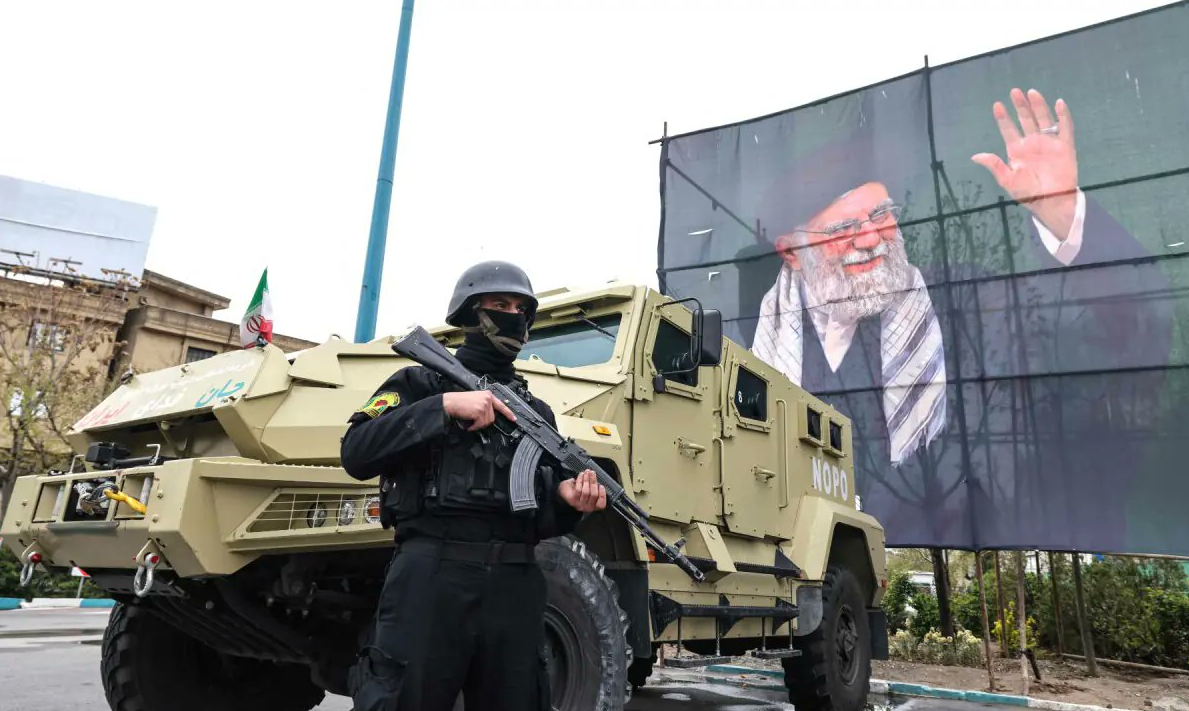
His comment on regime change is perhaps the most telling. By explicitly saying it was never a goal, Trump is closing the door on any expectation that the U.S. would try to topple the Islamic Republic. Earlier in the conflict there had been talk including from Trump himself at times about dealing with a “new set of people” in Tehran and how the old regime had effectively changed. Tuesday’s remarks walked that back. The Iranian leadership is still in charge, and the United States is choosing to disengage rather than press for deeper political transformation.
From Iran’s perspective, this amounts to a moral victory, even if the country has taken significant hits. The regime has survived direct American military action. It absorbed the strikes without collapsing or being forced into major concessions on the nuclear issue. By avoiding the kind of dramatic, sustained counterattacks that might have justified a longer U.S. presence, Iran denied Washington a clear battlefield triumph while still managing to disrupt global oil flows and create political headaches for the administration at home.
Tehran can now argue with some credibility that it stood up to the world’s strongest military, forced the United States to blink first on the strait, and watched Washington set its own exit deadline. Survival in the face of overwhelming power has always carried symbolic weight in the region. This episode will likely be remembered that way by Iran’s supporters and many who view the conflict through an anti-imperial lens.
For the United States, the picture is less flattering. A superpower launched a high-profile campaign, inflicted damage, raised oil prices that hurt consumers, strained alliances, and is now heading for the exits without securing lasting control over the most vital energy chokepoint in the world or achieving permanent change in Iran’s behavior or leadership.
Trump’s language celebrating weak resistance and rushing to leave doesn’t sound like the confident tone of a mission accomplished. It sounds like someone cutting losses and moving on. History has a way of judging these moments not by the initial boasts, but by who’s still standing when the dust settles and who walks away holding the strategic high ground.
In this case, Iran’s endurance and America’s impatience may end up telling the real story.