

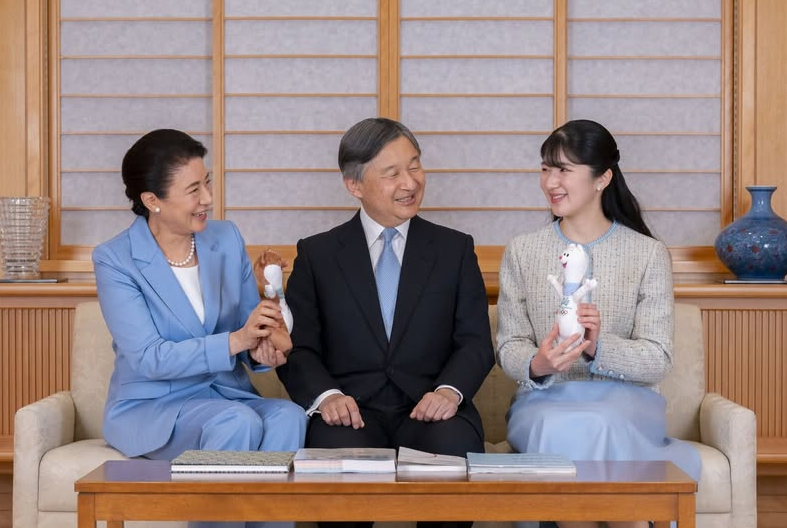
On February 23, 2026, Japan celebrates The Emperor’s Birthday (天皇誕生日 / Tennō Tanjōbi), the official birthday of His Majesty Emperor Naruhito, the 126th Emperor of Japan and head of the world’s oldest continuous hereditary monarchy.
Emperor Naruhito was born on February 23, 1960, at the Imperial Palace in Tokyo, as the first son of then-Crown Prince Akihito (now Emperor Emeritus) and Crown Princess Michiko (now Empress Emerita). He ascended the Chrysanthemum Throne on May 1, 2019, following the abdication of his father, Emperor Akihito — the first voluntary abdication in modern Japanese history. The Emperor’s Birthday became a national holiday on this new date starting in 2020, replacing the previous February 23 observance for Emperor Akihito.
The day is one of Japan’s most important national holidays, symbolizing national unity, respect for the imperial institution, and the continuity of Japanese tradition in a modern constitutional monarchy.
Significance in 2026:
- In 2026, Emperor Naruhito turns 66 years old, marking another milestone in a reign focused on peace, environmental protection, disaster recovery, and deepening ties with the Japanese people.
- The Emperor’s Birthday is a day of gratitude for the monarch’s role as “Symbol of the State and of the unity of the People” (as defined in Article 1 of the Constitution of Japan), and a moment for citizens to reflect on national identity, harmony, and hope for the future.
- It also highlights the Emperor’s personal commitment to global issues — water conservation, disability inclusion, and world peace — as well as his close connection with Empress Masako and their daughter, Princess Aiko.
Celebrations and Observances:
- Official ceremony at the Imperial Palace: The main event is the General Audience (一般参賀 / Ippan Sanga) at the Imperial Palace in Tokyo. The Emperor, Empress, Crown Prince Fumihito, Crown Princess Kiko, and other imperial family members appear on the balcony of the Chōwa-den Reception Hall multiple times throughout the morning (usually 10:00–11:30 am). Thousands of well-wishers gather in the East Gardens, waving Japanese flags and shouting “Banzai!” (“Long live!”). The Emperor delivers a brief speech expressing gratitude and hopes for peace and prosperity.
- Flag-flying: The national flag (Hinomaru) is flown on all public buildings, schools, and many private homes — one of the major flag-flying days in Japan.
- Public events: In cities across Japan (Tokyo, Kyoto, Osaka, Sapporo, Fukuoka), local governments and community groups organize small ceremonies, concerts, and cultural performances. Some regions hold fireworks or illuminations in the evening.
- Media coverage: NHK and private broadcasters air live coverage of the palace appearance, special documentaries on the Emperor’s life and reign, and messages from citizens. Newspapers publish commemorative articles and photos.
- Symbolic acts: Many Japanese send birthday cards or messages to the Imperial Household Agency; children often draw pictures or write letters wishing the Emperor well; the day is one of quiet celebration and national unity rather than boisterous festivity.
- No formal holiday closures: The Emperor’s Birthday is a public holiday — government offices, banks, and most schools close — allowing people to travel, visit family, or attend public events.
The Emperor’s Birthday is one of Japan’s most dignified and unifying holidays — a day when the entire nation expresses gratitude and loyalty to the Emperor and looks forward to a peaceful and prosperous future.
A traditional greeting on this day: “天皇陛下、お誕生日おめでとうございます。” (“Happy birthday, Your Majesty the Emperor!”)
On February 23, Japan raises its flag, gathers at the palace, and celebrates a monarch who embodies continuity, peace, and service to the people. 🇯🇵