

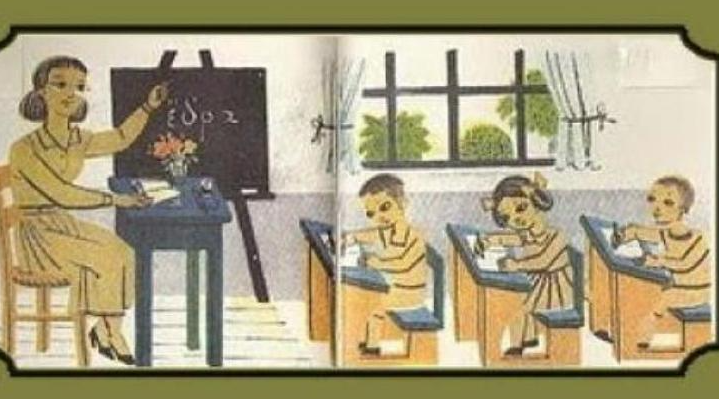
On January 30, 2026, Greece celebrates Teacher’s Day (Ημέρα του Δασκάλου or Ημέρα του Εκπαιδευτικού), a national day dedicated to honoring teachers and their invaluable role in shaping the nation’s youth, culture, and future. This observance coincides with the anniversary of the death of Ioannis Kakridis (January 30, 1992), a renowned Greek philologist, educator, and champion of modern Greek language and education, whose legacy embodies the spirit of dedicated teaching.
While Greece does not have a single official “Teacher’s Day” like many countries, January 30 has become widely recognized as the day to pay tribute to educators across all levels — from kindergarten teachers to university professors. The date was chosen by the educational community and teachers’ unions to commemorate Kakridis, who fought for linguistic reform, cultural preservation, and the dignity of the teaching profession during a transformative period in Greek education.
Significance in 2026:
- The day highlights the central role of teachers in preserving Greek language, history, and values while adapting to modern challenges like digital education, inclusivity, and post-pandemic recovery.
- It serves as a moment of gratitude for the dedication of educators who often work under difficult conditions, including low salaries, large class sizes, and resource constraints.
- In 2026, with ongoing discussions about educational reform and teacher welfare, the observance underscores calls for better support, training, and recognition of the profession.
Celebrations and Observances:
- School events: In primary and secondary schools across the country, students prepare special programs — poems, songs, theatrical performances, drawings, and speeches — to thank their teachers. Many classrooms are decorated with handmade cards, flowers, and banners.
- Ceremonies and tributes: Official events are held by teachers’ unions (e.g., OLME, DOE), the Ministry of Education, and local authorities, often including speeches, award ceremonies for outstanding educators, and moments of silence for deceased teachers.
- Church services: In many communities, memorial services or prayers are held in honor of teachers who have passed away, reflecting the cultural respect for the profession.
- Public recognition: Media outlets broadcast special programs, interviews with veteran teachers, and features on the history of Greek education. Social media campaigns (#ΗμέρατουΔασκάλου) fill with students and alumni sharing gratitude and memories.
- Gifts and gestures: Students and parents often bring flowers, chocolates, or small gifts to their teachers. In some schools, parents organize surprise parties or collective thank-you events.
Teacher’s Day is not a public holiday — schools remain open, and classes continue — but it is a deeply meaningful day for both students and educators. It reminds Greeks of the timeless value of education and the profound impact teachers have on individual lives and the nation’s progress.
A common sentiment shared on this day: “The teacher is the candle that consumes itself to light the way for others.”
On January 30, Greece expresses heartfelt thanks to its teachers — the quiet architects of the nation’s future. 🇬🇷