

The Thin Line Between Peacekeeping and Enforcement
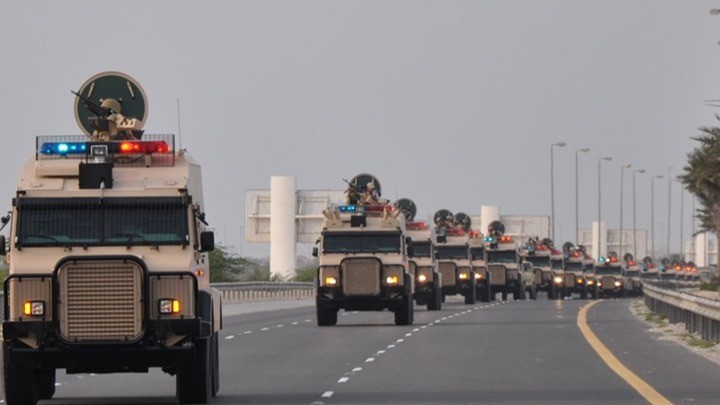
The idea of deploying an International Stabilization Force in Gaza, with troops from Indonesia, Morocco, Kazakhstan, Kosovo, Albania, Pakistan, Greece and possibly others, operating under some level of political oversight involving the United States, Israel, and European actors, raises practical questions from the very beginning. The countries involved do not all share the same political positions, particularly on sensitive issues such as the disarmament of Hamas. If some governments see their role as strictly peacekeeping while others are open to enforcement or demilitarization responsibilities, that difference alone could create confusion in how the mission is interpreted and executed. Even with a formal chain of command and clearly defined rules of engagement, national limits and political red lines could complicate decisions on the ground, especially in a fast moving and volatile environment.
To be clear, the likelihood of a major escalation may remain relatively low if the mission is carefully designed and disciplined. Still, Gaza is not an ordinary operational setting. It carries deep political, historical, and symbolic weight. The presence of foreign troops, particularly if oversight is perceived as aligned with certain geopolitical blocs, could be interpreted by local actors in ways that go beyond the stated objectives of stabilization. Even well structured mechanisms such as joint command systems, transparency protocols, and diplomatic coordination cannot automatically guarantee local legitimacy. In many past interventions, the success of a mission depended not only on clarity of mandate, but on how it was perceived and narrated within the affected population.
In a worst case, though still low probability scenario, operational friction or political disagreements could be amplified by regional rhetoric, shifting the narrative from stabilization to confrontation. Even if no participating state intends such an outcome, extremist messaging could attempt to frame the deployment in religious or civilizational terms. That kind of reframing, once it gains traction, can expand tensions beyond the mission’s original scope. Recognizing these risks does not imply that failure is inevitable. It simply underscores the importance of anticipating perception gaps, managing political divergence among contributors, and building safeguards strong enough to prevent a stabilization effort from unintentionally generating new instability.