

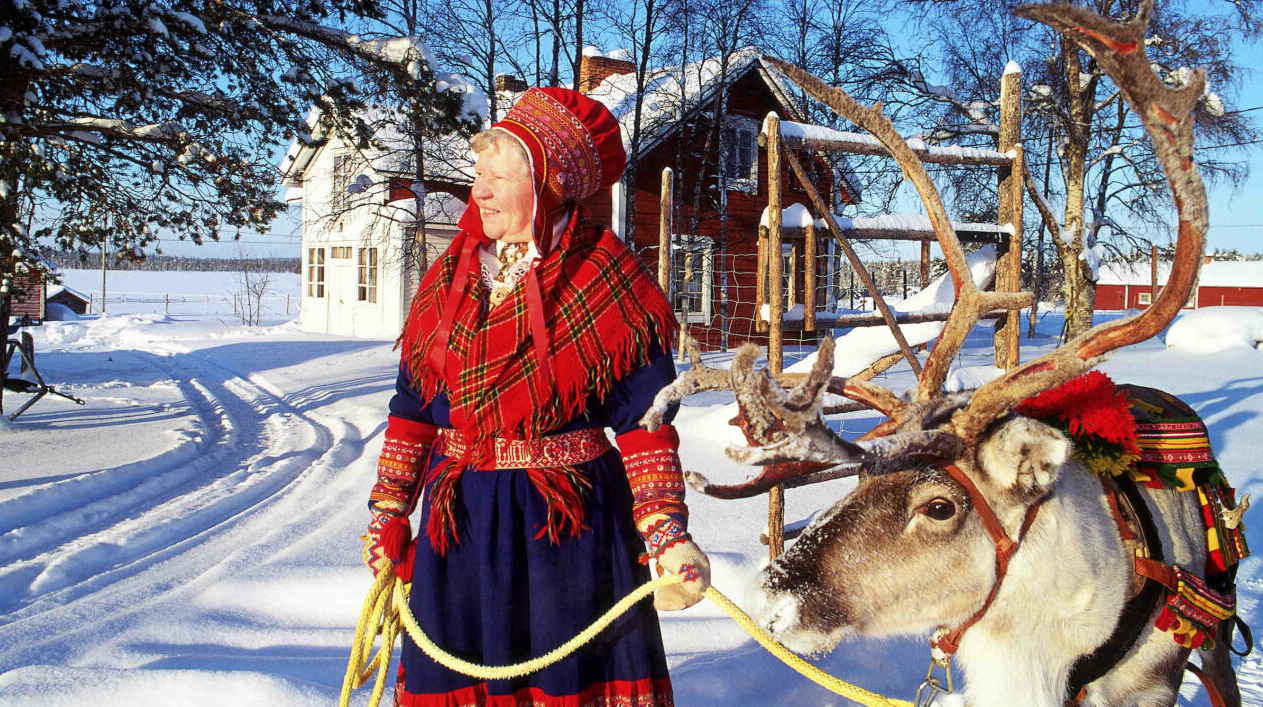
On February 6, 2026, the Sámi people — the indigenous inhabitants of Sápmi (the traditional Sámi homeland spanning northern parts of Norway, Sweden, Finland, and Russia) — celebrate Sámi National Day (Sámi álbmotbeaivi in Northern Sámi), a day of pride, cultural affirmation, and unity.
The date commemorates the first congress of the Sámi people, held in Trondheim, Norway, on February 6, 1917. This historic meeting brought together Sámi representatives from Norway and Sweden to discuss land rights, reindeer herding, education, and cultural preservation — marking the beginning of organized Sámi political activism across borders. In 1992, the Sámi Conference in Helsinki officially declared February 6 as Sámi National Day, and it has since been recognized and celebrated in Norway (since 1992), Sweden (since 1993), Finland (since 2004), and among Sámi communities in Russia (Kola Peninsula).
Sámi National Day is not a statutory public holiday in any of the four countries (no closures of schools or offices), but it is an official flag-flying day in Norway, Sweden, and Finland when the Sámi flag is raised alongside (or instead of) the national flag in Sámi municipalities and institutions.
Significance in 2026:
- In 2026, the day marks the 109th anniversary of the 1917 congress — a reminder of over a century of Sámi advocacy for rights, self-determination, language revitalization, and protection of traditional livelihoods (reindeer herding, fishing, duodji/handicrafts).
- It highlights the Sámi as one people across four nations, sharing languages (nine Sámi languages), joik (traditional vocal music), gákti (traditional clothing), and a deep spiritual connection to nature.
- The observance also addresses contemporary issues: land rights disputes (e.g., wind farms, mining, forestry on reindeer pastures), climate change impacts on the Arctic, language loss, and efforts to strengthen Sámi parliaments (Sámediggi in Norway, Sweden, Finland).
Celebrations and Observances:
- Flag-raising ceremonies: In Norway, Sweden, and Finland, the Sámi flag (a circle symbolizing sun and moon on red, blue, green, and yellow) is flown at government buildings, schools, and Sámi institutions. In Russia (Murmansk region), Sámi communities hold private or cultural events.
- Cultural events: Sámi cultural centers, museums, and theaters host joik performances, storytelling, duodji exhibitions, and talks on Sámi history and rights. In Kautokeino (Norway), Inari (Finland), Jokkmokk (Sweden), and Lovozero (Russia), local celebrations include traditional food (reindeer meat, cloudberries), music, and handicraft markets.
- Official speeches and statements: Sámi parliaments and national governments issue messages; in Norway, the King and Prime Minister often participate or send greetings. Schools in Sámi regions incorporate lessons on Sámi culture.
- Public engagement: Sámi organizations and individuals share greetings online (#SámiNationalDay, #Sámiálbmotbeaivi), wear gákti, post joik videos, or light candles in memory of ancestors. Many attend church services (Laestadian or Orthodox traditions are common among Sámi).
- Symbolic acts: Wearing the Sámi colors (red, blue, green, yellow) or Sámi jewelry; sharing photos of the Sámi flag; families gather for meals featuring traditional foods.
Sámi National Day is a day of quiet pride and resilience — not a day off, but a powerful affirmation of identity, survival, and hope for future generations in the Arctic homeland.
A common greeting on this day: “Buorre beaivi, buorre Sámi álbmotbeaivi!” (“Good day, good Sámi National Day!”)
On February 6, Sápmi — across four countries — stands together to celebrate a people, a culture, and a continuing journey toward recognition and self-determination. 🇳🇴🇸🇪🇫🇮🇷🇺🦌