

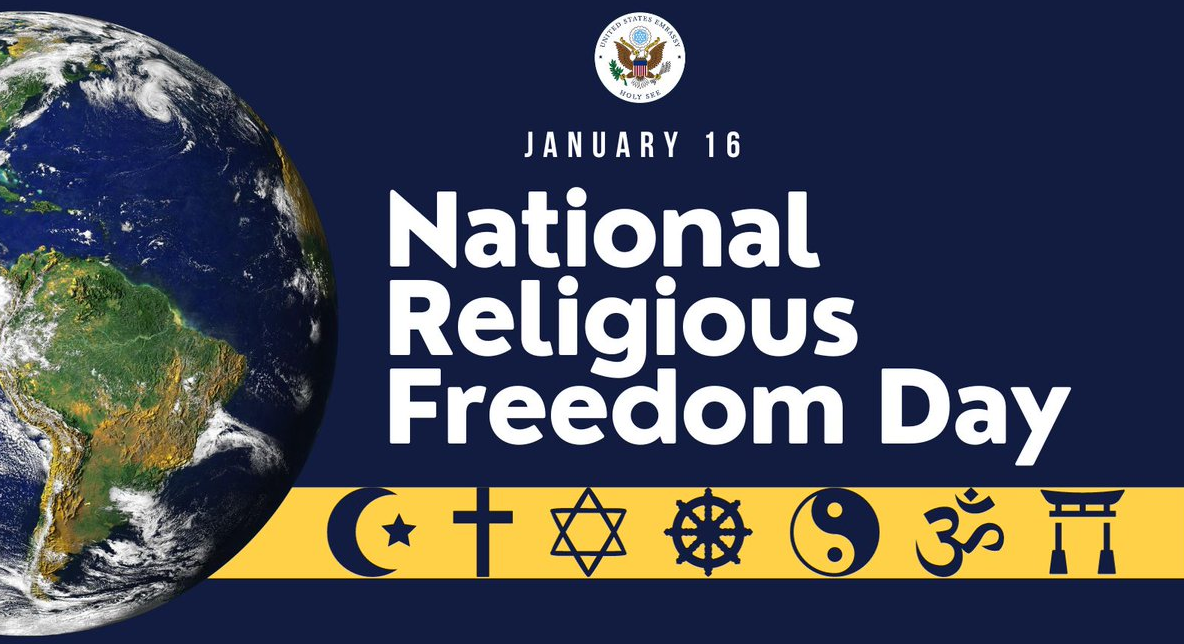
On January 16, 2026, the United States observes Religious Freedom Day, commemorating the 240th anniversary of the Virginia General Assembly’s adoption of Thomas Jefferson’s Virginia Statute for Religious Freedom on this date in 1786—a foundational law that disestablished the state church, protected freedom of conscience, and prohibited government coercion in matters of belief.
Authored by Jefferson in 1777 and championed by James Madison, the statute declared that “Almighty God hath created the mind free” and that no one should suffer civil penalties, taxes, or discrimination for their religious opinions. It served as a direct precursor to the First Amendment’s religion clauses, enshrining the principle that civil rights do not depend on faith and laying the groundwork for America’s commitment to pluralism and separation of church and state.
Since 1993, presidents have issued annual proclamations designating January 16 as Religious Freedom Day, calling on Americans to reflect on this “first freedom” through events, discussions, and activities in communities, schools, and houses of worship. In recent years, observances have emphasized protecting religious liberty amid rising challenges like discrimination, international persecution, and debates over conscience rights in public life.
This year’s milestone highlights enduring relevance: as the nation approaches its 250th anniversary in 2026, the day underscores ongoing efforts to safeguard the right to believe—or not believe—without fear of government interference, while promoting tolerance in an increasingly diverse society.
From Jefferson’s vision to modern interfaith initiatives, Religious Freedom Day remains a reminder that true liberty includes the freedom to live according to one’s deepest convictions. 🕊️🇺🇸